

How Much Zinc Per Day A Complete Daily Intake Guide
Are you getting enough zinc, or could you be overdoing it? Knowing exactly how much zinc per day your body requires is essential for maintaining strong immune system support and healthy cellular function. Since our bodies cannot store this essential mineral, meeting your daily mineral requirements through a balanced approach is a non-negotiable part of daily wellness.
Part of the q'ankyaq Gut Health Hub — explore the complete guide.
Recommended Dietary Allowance (RDA) for Zinc
To keep your body running optimally, the Food and Nutrition Board outlines specific daily targets based on age, biological sex, and life stage.
| Demographic Group | Recommended Daily Allowance (RDA) |
|---|---|
| Adult Men (19+ years) | 11 mg / day |
| Adult Women (19+ years) | 8 mg / day |
| Pregnant Individuals | 11 mg / day |
| Lactating Individuals | 12 mg / day |
The Phytate Factor for Plant-Based Diets
If you follow a vegan or vegetarian lifestyle, meeting your daily targets requires a bit more strategy. Plant-based zinc absorption is inherently lower due to phytates—natural compounds found in whole grains, legumes, nuts, and seeds. Phytates bind to minerals in the digestive tract, significantly reducing their bioavailability. Because of this structural hurdle, individuals relying strictly on plant foods often need to increase their daily intake by up to 50% to ensure the body absorbs an adequate elemental zinc dosage.
Top Whole-Food Sources of Zinc
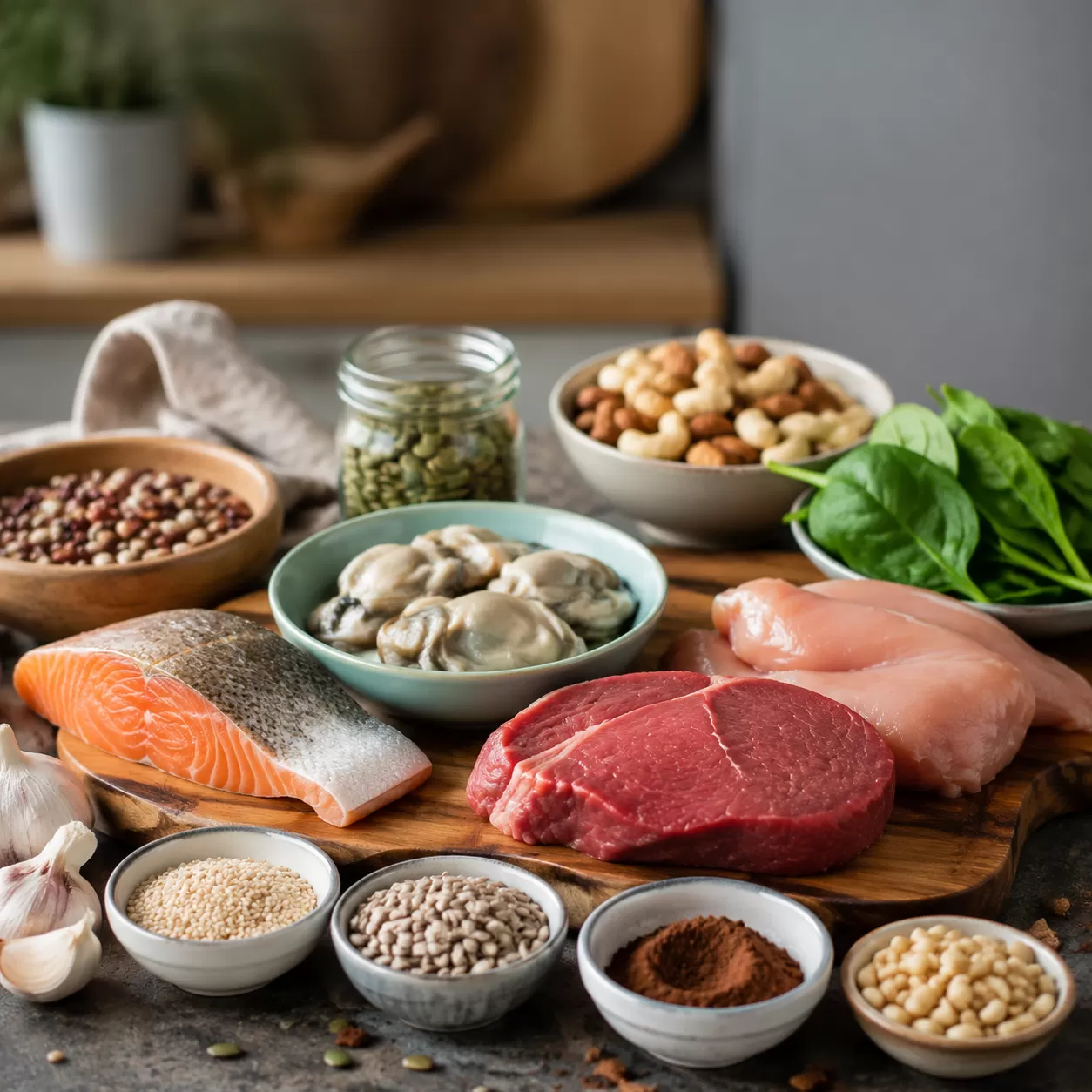
When looking at how much zinc per day you need to stay healthy, your diet is always the first line of defense. However, meeting your daily mineral requirements isn't just about reading the numbers on a nutrition label—it is heavily dependent on the bioavailability of zinc in the foods you choose.
Animal-Based Bioavailability Superstars
Animal products are the undisputed champions of zinc delivery. The body absorbs zinc from these sources easily because they lack the compounds that inhibit mineral uptake.
- Oysters: The single best source available, providing massive amounts of elemental zinc dosage in just a single serving.
- Beef and Lamb: Rich red meats offer highly absorbable zinc alongside crucial B vitamins.
- Poultry and Pork: Excellent, accessible everyday options to support immune system support and cell function.
- Seafood (Crab and Lobster): High-quality options that double as excellent lean protein sources.
Plant-Based Alternatives
If you follow a vegetarian or vegan lifestyle, getting enough foods high in zinc requires a bit more strategy. While plant foods contain the mineral, they generally have lower plant-based zinc absorption rates.
- Pumpkin Seeds and Hemp Seeds: Highly concentrated plant sources that make great daily snacks.
- Legumes (Chickpeas, Lentils, and Beans): Budget-friendly staples that offer a solid dose of zinc alongside plant protein.
- Nuts (Cashews and Almonds): Easy, grab-and-go whole foods to help hit daily targets.
- Whole Grains (Oats and Quinoa): Nutrient-dense complex carbohydrates that contribute to your daily baseline.
The Bioavailability Matrix and Food Preparation
The main challenge with a plant-forward diet is the presence of phytates in grains and legumes. Phytates act as anti-nutrients, binding to minerals and lowering the overall bioavailability of zinc.
To maximize absorption and combat this issue, simple traditional food preparation techniques work wonders. Soaking, sprouting, or fermenting grains, seeds, and beans significantly reduces phytate levels. This simple step unlocks the bound minerals, making it much easier for your body to absorb the nutrients it needs for vital functions like zinc for wound healing and cellular repair.
Zinc Deficiency Symptoms and Red Flags
When you aren't meeting your daily mineral requirements, your body drops clear hints before major health issues arise. Because the human body cannot store excess zinc, falling short on how much zinc per day you need quickly leads to noticeable setbacks in your daily wellness.
Common Zinc Deficiency Symptoms
- Compromised Immune System Support: You might find yourself catching every seasonal bug going around or struggling to bounce back from minor ailments.
- Slow Recovery: Zinc for wound healing is vital; low levels mean minor cuts, scrapes, or skin blemishes take an unusually long time to clear up.
- Dull Senses: A sudden, unexplained loss of taste or smell is a classic red flag of a depletion.
- Hair and Skin Changes: Unexplained hair thinning, brittle nails, and sudden dry skin patches often point back to a deficiency.
Who is Most at Risk?
While anyone can run low, certain groups need to monitor their intake much more closely:
- Plant-Based Dieters: Vegans and vegetarians often consume high amounts of grains and legumes, which contain compounds that block optimal mineral absorption.
- Individuals with Gut Issues: Chronic digestive conditions like celiac disease or Crohn's directly interfere with how your body absorbs nutrients.
- Pregnant and Nursing Mothers: Developing a baby or breastfeeding heavily drains your body's natural nutrient reserves.
- Older Adults: Nutrient absorption naturally slows down with age, making consistent dietary targets even more critical.
The Golden Mean: Avoid Over-Supplementation
When figuring out how much zinc per day your body actually needs, it is easy to assume that more is always better for immune system support. However, zinc operates on a strict curve, and crossing into excess territory brings fast consequences.
The Tolerable Upper Intake Level (UL)
The absolute ceiling for adults is a Tolerable Upper Intake Level (UL) of 40 mg of elemental zinc per day. This safety boundary includes both the foods you eat and any dietary supplements you take. Going over this 40 mg threshold without direct medical supervision risks shifting zinc from a helpful mineral into a toxic burden.
Acute Toxicity Side Effects
Taking too much zinc all at once triggers immediate, uncomfortable warnings from your digestive tract. Acute zinc toxicity side effects usually show up within hours of a high dose and include:
- Severe nausea and vomiting
- Sharp stomach cramps and abdominal pain
- Diarrhea
- Headaches and loss of appetite
The Hidden Danger of Chronic High Dosing
While acute symptoms hit you fast, the most dangerous aspect of over-supplementation is chronic, long-term high dosing. Consistently taking 50 mg or more of zinc daily creates a serious copper deficiency risk.
Zinc and copper compete for the exact same absorption pathways in your intestines. When you flood your system with zinc, your body cannot absorb copper. This imbalance causes deep cellular issues over time:
| Chronic Over-Dosing Risk | Impact on the Body |
|---|---|
| Copper Deficiency | Disrupts iron metabolism, leading to microcytic anemia. |
| Immune Suppression | Paradoxically weakens the immune response instead of strengthening it. |
| Cholesterol Imbalance | Lowers HDL (good) cholesterol and alters cardiovascular markers. |
| Neurological Issues | Can cause numbness and walking difficulties due to motor neuron dysfunction. |
For teenagers or young women managing overall mineral balances, supporting the body with the right ratios is critical. While balancing zinc is essential for cellular health, maintaining healthy blood levels of other vital minerals is just as important—such as preventing low iron with targeted iron gummies for teen girls to keep energy and development on track.
Medication Interventions and Interactions
High doses of zinc do not just disrupt your internal mineral balance; they also actively interfere with how prescription medications work. Zinc binds to specific drugs in the digestive tract, stopping your body from absorbing the medicine.
- Antibiotics: Zinc binds to quinolone and tetracycline antibiotics, drastically reducing their ability to fight infections. You must space these at least 2 hours before or 4 to 6 hours after a zinc supplement.
- Penicillamine: This rheumatoid arthritis medication binds tightly with zinc, rendering both the drug and the mineral useless.
- Diuretics: Thiazide diuretics increase the amount of zinc lost through urination, which can deplete your stores even if you are tracking your intake carefully.
Choosing the Right Supplement Strategy with q'ankyaq
Understanding Zinc Forms and Absorption Rates
When figuring out how much zinc per day your body actually utilizes, the form of the mineral matters just as much as the elemental zinc dosage.
- Zinc Picolinate: Highly bioavailable and easily absorbed by the digestive tract.
- Zinc Gluconate & Citrate: Reliable, standard forms commonly used for immune system support.
- Zinc Oxide & Sulfate: Cheaper forms with lower overall bioavailability of zinc, which can sometimes cause mild stomach discomfort.
The q'ankyaq Philosophy on Clean Formulation
What is left out of a supplement is just as important as what goes in. The q'ankyaq philosophy centers on maximum absorption and zero compromise. We specialize in clean, liquid-delivery systems that eliminate the heavy binders, synthetic fillers, and artificial additives found in traditional tablets. This strict commitment to pure, highly effective nutrition runs through our entire family of products, including our targeted thyroid supplement liquid drops for women. We prioritize dietary supplements safety so you can meet your daily mineral requirements with complete peace of mind.
Best Practices for Intake
To maximize your daily routine and get the most out of your zinc, follow these straightforward practices:
- Take with a light meal: While zinc absorbs efficiently on an empty stomach, it can cause mild nausea for some. Taking it with a light, non-dairy meal protects sensitive stomachs.
- Separate from other minerals: Avoid taking zinc at the exact same time as high-dose calcium or iron supplements, as these minerals compete for the same absorption pathways in the body.
- Consistency over megadosing: Stick to a steady, moderate daily amount that aligns with your health goals rather than taking massive, irregular doses.
Related Articles
Related Articles
What the regulators say
“The FDA does not approve dietary supplements for safety and effectiveness before they reach the market.”
Reference point: Iron deficiency is among the most common nutrient deficiencies worldwide, per the NIH ODS. (NIH ODS)
For the reference values and safety ceilings cited above, verify against the NIH Office of Dietary Supplements and the U.S. FDA. Neither body endorses any specific brand.
Related Articles
Related Articles
Related Products
Clinically-formulated q'ankyaq supplements to support your goals.


Oregano Oil with Black Seed Oil Organic Gummies for Kids and Adults with Immune Support


