
Sulforaphane Dosage by Age and Health Goal: A Science-Based Guide
Sulforaphane Dosage by Age and Health Goal: A Science-Based Guide to Broccoli Sprouts Daily Intake
Sulforaphane has become one of the most talked-about compounds in broccoli sprouts, especially among people looking for natural support for detox, antioxidant defense, metabolism, gut health, skin health, and long-term wellness. But one of the most common questions is also one of the most confusing:
Part of the q'ankyaq Gut-Brain Axis Hub — explore the complete guide.
How much sulforaphane should you take per day?
The answer depends on your age, health goal, food source, tolerance, and whether you are getting sulforaphane from fresh broccoli sprouts, broccoli sprout powder, or a sulforaphane supplement.
This guide breaks down sulforaphane dosage by age and health goal, explains how broccoli sprouts fit into daily intake, and helps you choose a realistic, safe, food-first approach.
What Is Sulforaphane?
Sulforaphane is a natural plant compound mainly associated with broccoli sprouts and other cruciferous vegetables such as broccoli, kale, cabbage, Brussels sprouts, and cauliflower.
Broccoli sprouts are especially valued because they are naturally rich in glucoraphanin, the precursor to sulforaphane. When broccoli sprouts are chopped, chewed, or blended, an enzyme called myrosinase helps convert glucoraphanin into active sulforaphane.
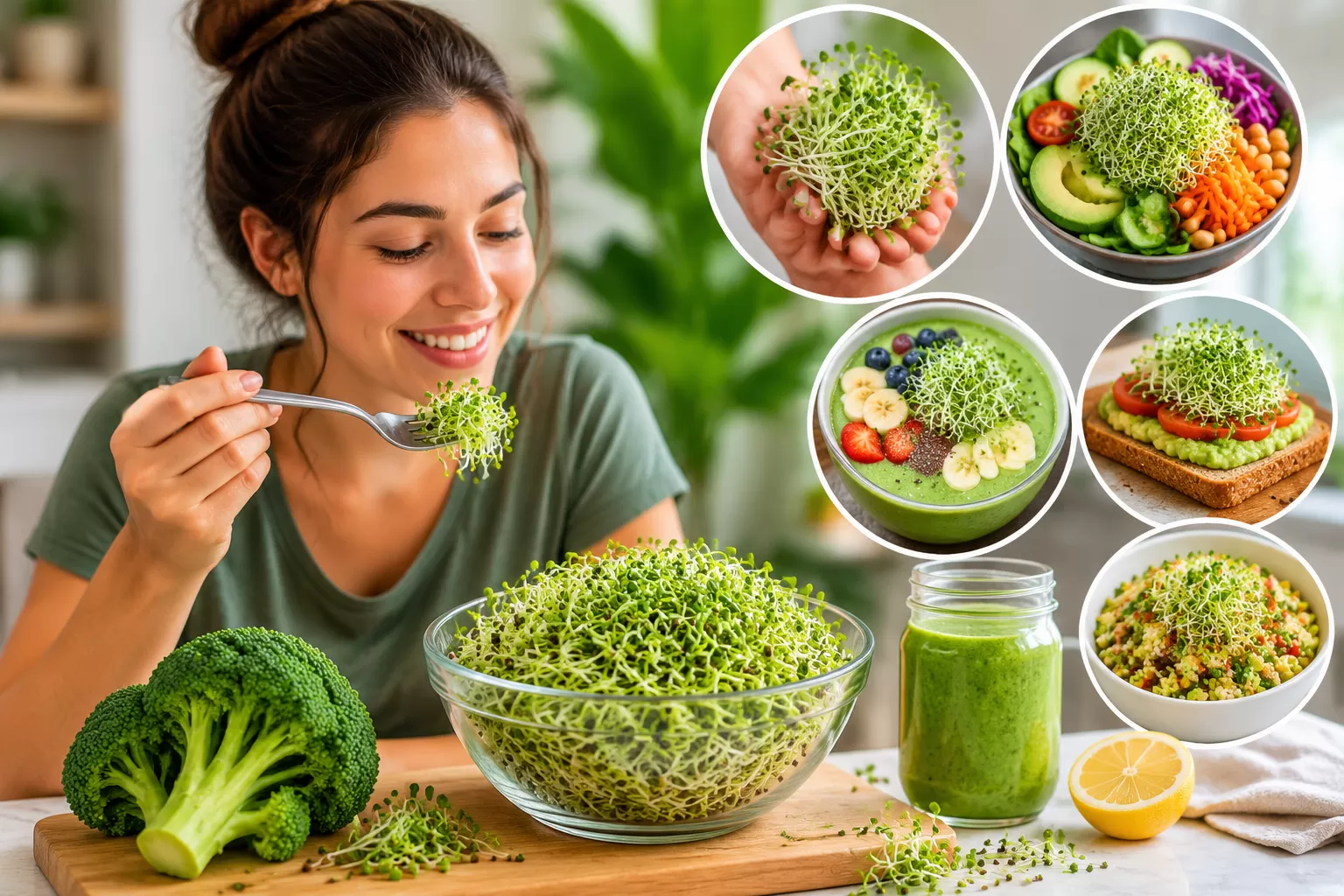
Sulforaphane is often studied for its role in supporting:
-
Natural detoxification pathways
-
Antioxidant defense
-
Cellular health
-
Healthy inflammation response
-
Gut and metabolic wellness
-
Heart, brain, and skin health
Because broccoli sprouts can be highly concentrated compared with mature broccoli, even a small daily serving may provide meaningful sulforaphane potential.
Sulforaphane vs Broccoli Sprouts: What Is the Difference?
When people talk about sulforaphane dosage, they may actually mean one of three things:
| Source | What It Provides | Notes |
|---|---|---|
| Fresh broccoli sprouts | Glucoraphanin + myrosinase | Food-first option; amount varies by seed quality, growing method, and freshness |
| Broccoli sprout powder | Concentrated glucoraphanin or sulforaphane potential | Convenient but potency varies by brand |
| Sulforaphane supplement | Standardized sulforaphane or precursor blend | Easier to dose but not always food-based |
Fresh broccoli sprouts are popular because they provide the full food matrix, fiber, vitamins, enzymes, and natural plant compounds. Supplements are easier to measure, but quality and conversion can vary.
For most healthy adults, a food-first approach using broccoli sprouts is a practical way to support daily sulforaphane intake without overcomplicating the routine.
General Sulforaphane Dosage: How Much Per Day?
There is no single official daily value for sulforaphane. Unlike vitamin C or vitamin D, sulforaphane does not have an established Recommended Daily Allowance.
However, based on commonly used food amounts in human studies and real-world nutrition guidance, a practical daily target for healthy adults is:
Fresh broccoli sprouts: 2–4 ounces per day
That equals approximately:
-
55–115 grams per day
-
About ½ cup to 1 packed cup
-
Roughly 1–2 generous handfuls
This range is often used as a realistic daily intake because it is enough to provide meaningful sulforaphane potential while still being easy to include in normal meals.
If you are new to broccoli sprouts, it is better to start lower:
-
Beginner amount: 1–2 ounces per day
-
Standard daily amount: 2–4 ounces per day
-
Higher food-based intake: 4 ounces per day, if well tolerated
More is not always better. Sulforaphane works best as part of a consistent routine, not as an occasional megadose.
Sulforaphane Dosage by Age
Sulforaphane needs are not the same for everyone. Age matters because children, adults, seniors, pregnant women, and people with health conditions may have different tolerance levels and safety considerations.
Sulforaphane Dosage for Adults
For most healthy adults, the most practical daily target is:
| Adult Group | Suggested Broccoli Sprout Intake | Notes |
|---|---|---|
| Beginners | 1–2 oz/day | Start low to assess digestion |
| General wellness | 2–4 oz/day | Good daily food-based target |
| Higher wellness support | Up to 4 oz/day | Best if well tolerated |
| Sensitive digestion | 1 oz/day or less | Increase slowly |
Adults often use broccoli sprouts for detox support, antioxidant defense, metabolic wellness, skin clarity, and healthy aging.
A good daily routine is simple:
-
Add sprouts to breakfast or lunch
-
Use them raw when possible
-
Split intake across 1–2 meals
-
Avoid boiling or heavy cooking
For most adults, 2–4 ounces of fresh broccoli sprouts per day is a realistic and science-aligned food target.
Sulforaphane Dosage for Seniors
Older adults may benefit from nutrient-dense foods, but they should also be more cautious with raw sprouts because of food safety concerns.
| Senior Group | Suggested Intake | Notes |
|---|---|---|
| Healthy seniors | 1–3 oz/day | Start low and focus on freshness |
| Sensitive digestion | 1 oz/day | Avoid large raw servings at first |
| Weakened immune system | Ask a doctor first | Raw sprouts may carry bacterial risk |
For seniors, quality and safety matter as much as dosage. Fresh sprouts should be rinsed well, stored cold, and discarded if slimy, yellow, brown, or unpleasant-smelling.
Seniors with immune concerns, cancer treatment history, digestive disease, or multiple medications should speak with a healthcare professional before making raw broccoli sprouts a daily habit.
Sulforaphane Dosage for Teens
Teenagers can usually eat broccoli sprouts as part of a normal balanced diet.
| Age Group | Suggested Intake | Notes |
|---|---|---|
| Teens 13–18 | 1–2 oz/day | Add to sandwiches, wraps, bowls, or smoothies |
| Active teens | 1–3 oz/day | Food-based intake only unless advised |
For teens, broccoli sprouts should be treated as a healthy food, not a high-dose supplement. The best approach is to include small servings in meals rather than focusing on aggressive dosing.
Sulforaphane Dosage for Children
Children should use smaller food-based portions. Raw sprouts also require extra food safety care.
| Age Group | Suggested Intake | Notes |
|---|---|---|
| Ages 4–8 | Small pinch to 1 tbsp | Introduce slowly |
| Ages 9–12 | 1–2 tbsp | Use as food topping |
| Sensitive children | Start very small | Watch digestion and tolerance |
Children do not need large servings of broccoli sprouts. A small amount mixed into familiar foods is enough.
Good child-friendly options include:
-
A small pinch in a wrap
-
A small amount blended into a smoothie
-
Sprouts chopped into avocado toast
-
A light topping on rice bowls or eggs after cooking
For children under 4, pregnant women, immunocompromised children, or children with medical conditions, ask a pediatrician before using raw sprouts regularly.
Sulforaphane Dosage During Pregnancy or Breastfeeding
Pregnant and breastfeeding women should be careful with raw sprouts. The issue is not sulforaphane itself as much as the food safety risk that comes with raw sprouts.
| Group | Suggested Approach | Notes |
|---|---|---|
| Pregnant women | Small amounts only, if approved | Avoid large daily raw sprout intake |
| Breastfeeding women | Food-level intake only | Monitor digestion and baby tolerance |
| High-risk pregnancy | Ask OB/GYN first | Raw sprouts may not be recommended |
Because raw sprouts can carry bacteria if not grown or stored properly, many pregnant women are advised to avoid raw sprouts or eat them only if handled with strict food safety practices.
A safer option may be lightly cooked cruciferous vegetables or a clinician-approved supplement.
Sulforaphane Dosage by Health Goal
Different people use sulforaphane for different reasons. The right intake depends on whether your goal is general wellness, detox support, metabolism, skin health, gut health, or healthy aging.
1. Sulforaphane Dosage for General Wellness
For everyday wellness, you do not need an aggressive dose.
Suggested intake:
-
Fresh broccoli sprouts: 1–3 oz/day
-
Frequency: 4–7 days per week
This is a good starting point for people who simply want more antioxidant-rich foods in their diet.
Best uses:
-
Add to salads
-
Use in sandwiches instead of lettuce
-
Top eggs after cooking
-
Add to grain bowls
For general health, consistency matters more than taking a large amount.
2. Sulforaphane Dosage for Detox Support
Sulforaphane is best known for supporting the body’s natural detoxification pathways, especially through the Nrf2 pathway.
Suggested intake:
-
Fresh broccoli sprouts: 2–4 oz/day
-
Frequency: daily or near-daily
-
Best timing: with meals
This range is often used by people who want stronger food-based detox support without relying only on supplements.
Sulforaphane does not “detox” the body in a quick-cleanse way. Instead, it helps support the body’s normal detox enzyme activity over time.
Good pairings:
-
Broccoli sprouts + olive oil
-
Broccoli sprouts + avocado
-
Broccoli sprouts + lemon dressing
-
Broccoli sprouts + protein-rich meals
3. Sulforaphane Dosage for Antioxidant Defense
Sulforaphane supports antioxidant defense by helping activate the body’s own protective systems.
Suggested intake:
-
Fresh broccoli sprouts: 2–3 oz/day
-
Beginner intake: 1 oz/day
-
Frequency: most days of the week
This may be especially useful for people exposed to everyday oxidative stress from poor sleep, pollution, intense exercise, processed foods, or high-stress routines.
For best results, combine broccoli sprouts with other antioxidant-rich foods:
-
Blueberries
-
Strawberries
-
Green tea
-
Citrus fruits
-
Turmeric
-
Extra-virgin olive oil
4. Sulforaphane Dosage for Metabolic Health
Some people use sulforaphane-rich foods to support blood sugar, insulin sensitivity, cholesterol balance, and overall metabolic wellness.
Suggested intake:
-
Fresh broccoli sprouts: 2–4 oz/day
-
Frequency: daily
-
Best used with: balanced meals, protein, fiber, movement
Sulforaphane is not a replacement for diet, exercise, sleep, or medical care. But broccoli sprouts can be a helpful functional food within a broader metabolic health routine.
A good metabolic-friendly meal could include:
-
Grilled chicken or salmon
-
Quinoa or beans
-
Leafy greens
-
Olive oil dressing
-
1–2 ounces of broccoli sprouts
5. Sulforaphane Dosage for Gut Health
Broccoli sprouts provide both fiber and bioactive plant compounds that may support gut wellness.
Suggested intake:
-
Sensitive digestion: 1 oz/day
-
Standard intake: 2 oz/day
-
Higher intake: 3–4 oz/day, if tolerated
Some people feel better with broccoli sprouts, while others may notice gas or bloating if they increase too quickly.
To improve tolerance:
-
Start with 1 tablespoon
-
Increase slowly
-
Eat with meals
-
Avoid large servings on an empty stomach
-
Pair with fermented foods like yogurt, kefir, kimchi, or sauerkraut
6. Sulforaphane Dosage for Skin Health
People often connect sulforaphane with skin health because of its antioxidant and inflammation-supporting properties.
Suggested intake:
-
Fresh broccoli sprouts: 1–3 oz/day
-
Frequency: daily for several weeks
-
Best paired with: hydration, healthy fats, colorful produce
Skin changes usually take time. A few servings will not transform skin overnight, but consistent intake may support a clearer, brighter, healthier-looking complexion as part of an overall nutrient-rich diet.
Skin-supportive pairings:
-
Broccoli sprouts + avocado
-
Broccoli sprouts + salmon
-
Broccoli sprouts + berries
-
Broccoli sprouts + olive oil dressing
7. Sulforaphane Dosage for Brain and Focus Support
Sulforaphane is also studied for its role in brain health, oxidative stress, and cellular resilience.
Suggested intake:
-
Fresh broccoli sprouts: 1–3 oz/day
-
Frequency: most days
-
Best paired with: omega-3 fats, protein, sleep, exercise
For brain health, broccoli sprouts should be part of a wider lifestyle strategy that includes sleep, hydration, protein, movement, and nutrient-dense meals.
8. Sulforaphane Dosage for Heart Health
Sulforaphane may support cardiovascular wellness by helping with antioxidant defense, blood vessel function, and healthy inflammation response.
Suggested intake:
-
Fresh broccoli sprouts: 2–4 oz/day
-
Frequency: daily or near-daily
-
Best paired with: Mediterranean-style meals
Heart-friendly combinations include:
-
Broccoli sprouts + olive oil
-
Broccoli sprouts + lentils
-
Broccoli sprouts + salmon
-
Broccoli sprouts + nuts and seeds
-
Broccoli sprouts + whole grains
People taking blood thinners or heart medications should ask a healthcare professional before using high amounts of broccoli sprouts or sulforaphane supplements.
Quick Sulforaphane Dosage Chart
| Goal | Suggested Broccoli Sprout Intake | Best Frequency |
|---|---|---|
| General wellness | 1–3 oz/day | 4–7 days/week |
| Detox support | 2–4 oz/day | Daily |
| Antioxidant defense | 2–3 oz/day | Most days |
| Gut health | 1–2 oz/day to start | Daily if tolerated |
| Metabolic support | 2–4 oz/day | Daily |
| Skin health | 1–3 oz/day | Daily |
| Brain health | 1–3 oz/day | Most days |
| Heart health | 2–4 oz/day | Daily or near-daily |
For most healthy adults, the overall sweet spot remains:
2–4 ounces of fresh broccoli sprouts per day.
How Much Sulforaphane Is in Broccoli Sprouts?
This is where things get tricky.
The sulforaphane content of broccoli sprouts can vary widely depending on:
-
Seed variety
-
Growing time
-
Sprouting temperature
-
Freshness
-
Storage method
-
Whether the sprouts are chewed, chopped, blended, or heated
-
Myrosinase activity
That means 2 ounces of broccoli sprouts from one batch may not deliver the exact same sulforaphane potential as 2 ounces from another batch.
This is why many experts focus on a food serving range rather than a precise milligram number.
For practical daily use, it is easier to think in terms of:
-
Small serving: 1 oz
-
Standard serving: 2 oz
-
Strong food-based serving: 3–4 oz
How to Increase Sulforaphane Naturally
The way you prepare broccoli sprouts can affect sulforaphane formation.
Best Ways to Maximize Sulforaphane
-
Eat them raw when possible
Raw sprouts preserve more myrosinase activity. -
Chew well
Chewing helps break plant cells and supports conversion. -
Chop or blend lightly
Chopping or blending can increase contact between glucoraphanin and myrosinase. -
Let chopped sprouts sit for a few minutes
This may give enzymes more time to work before eating. -
Avoid boiling or high heat
Strong heat can reduce enzyme activity. -
Add sprouts after cooking
Use them as a topping for warm meals instead of cooking them directly.
Good examples:
-
Add to soups after serving
-
Sprinkle over stir-fries off the heat
-
Top tacos, burgers, or grain bowls
-
Add to eggs after cooking
Best Time to Take Sulforaphane
There is no perfect time for everyone. The best time is the time you can stay consistent.
Common options:
| Timing | Best For |
|---|---|
| Morning | People who want a consistent wellness routine |
| With lunch | Easy for salads, sandwiches, bowls |
| With dinner | Good for warm bowls or protein meals |
| Split across meals | Best for digestion and tolerance |
If broccoli sprouts upset your stomach, avoid taking them on an empty stomach. Start with a small amount and increase gradually.
Can You Take Too Much Sulforaphane?
Yes, especially if you jump into large servings too quickly or combine high amounts of broccoli sprouts with supplements.
Possible side effects may include:
-
Gas
-
Bloating
-
Stomach discomfort
-
Loose stools
-
Strong taste or nausea
-
Food sensitivity reactions
Most people tolerate normal food servings well, especially when they start slowly.
A safe beginner approach:
-
Days 1–3: 1 tablespoon
-
Days 4–7: 1–2 ounces
-
Week 2 and beyond: 2–4 ounces if tolerated
There is usually no need to exceed 4 ounces of fresh broccoli sprouts daily unless advised by a qualified healthcare professional.
Who Should Be Careful With Sulforaphane?
Sulforaphane-rich foods are safe for many healthy people, but certain groups should be more cautious.
Talk with a healthcare professional first if you are:
-
Pregnant or breastfeeding
-
Immunocompromised
-
Undergoing cancer treatment
-
Taking blood thinners
-
Taking thyroid medication
-
Managing hypothyroidism or thyroid disease
-
Taking multiple prescription medications
-
Living with liver disease, kidney disease, or autoimmune disease
-
Giving broccoli sprouts to a young child
Raw sprouts also carry a food safety risk because they grow in warm, moist conditions. This can increase the chance of bacterial contamination if they are not handled properly.
Broccoli Sprouts Safety Tips
To enjoy broccoli sprouts safely:
-
Buy high-quality food-grade sprouting seeds
-
Use clean jars, trays, and lids
-
Rinse sprouts 2–3 times daily while growing
-
Drain thoroughly after rinsing
-
Store finished sprouts in the refrigerator
-
Keep them dry and cold
-
Use within 3–5 days
-
Toss sprouts if they smell bad, feel slimy, or look yellow/brown
-
Wash hands and surfaces before handling
For higher-risk groups, cooked cruciferous vegetables may be safer than raw sprouts.
Broccoli Sprouts vs Sulforaphane Supplements
Both broccoli sprouts and supplements can be useful, but they are not the same.
| Option | Pros | Cons |
|---|---|---|
| Fresh broccoli sprouts | Whole-food nutrients, fiber, natural enzymes | Potency varies, requires prep, raw sprout safety concerns |
| Broccoli sprout powder | Convenient, concentrated | Quality varies, may lack active myrosinase |
| Sulforaphane supplement | Easier to dose, portable | Not always food-based, quality depends on formulation |
If your goal is general wellness, fresh broccoli sprouts are often a strong first choice.
If your goal is precise intake, travel convenience, or avoiding raw sprouts, a high-quality sulforaphane supplement may be more practical.
How to Eat Broccoli Sprouts Every Day
The easiest way to hit your daily sulforaphane goal is to build broccoli sprouts into meals you already eat.
Breakfast Ideas
-
Add to avocado toast
-
Top scrambled eggs after cooking
-
Add a small handful to smoothies
-
Use in breakfast wraps
-
Sprinkle over smoked salmon toast
Lunch Ideas
-
Use instead of lettuce in sandwiches
-
Add to chicken salad
-
Toss into grain bowls
-
Layer into turkey wraps
-
Mix into salads with olive oil and lemon
Dinner Ideas
-
Top tacos after cooking
-
Add to burgers
-
Sprinkle over salmon bowls
-
Use as a garnish for soup
-
Add to baked potatoes with Greek yogurt
A simple daily plan:
-
1 ounce at lunch
-
1 ounce at dinner
-
Add more if tolerated
This makes it easy to reach the 2–4 ounce daily target without forcing a large serving at once.
Sample Sulforaphane Daily Routine
Here is a simple food-based routine for healthy adults:
Morning:
Smoothie with berries, Greek yogurt, and a small handful of broccoli sprouts
Lunch:
Chicken salad bowl with olive oil dressing and 1–2 ounces of sprouts
Dinner:
Salmon, quinoa, roasted vegetables, and fresh sprouts added after cooking
This type of routine supports sulforaphane intake while also providing protein, fiber, healthy fats, and antioxidants.
FAQ: Sulforaphane Dosage by Age and Health Goal
How much sulforaphane should I take per day?
There is no official daily value for sulforaphane. For food-based intake, most healthy adults can aim for 2–4 ounces of fresh broccoli sprouts per day.
How much broccoli sprouts should I eat daily for sulforaphane?
A practical daily target is 2–4 ounces, or about ½ cup to 1 packed cup of fresh broccoli sprouts.
Can I eat broccoli sprouts every day?
Yes, many healthy adults can eat broccoli sprouts daily if they tolerate them well and handle them safely. Start with a smaller amount if you are new to them.
What is the best sulforaphane dosage for detox support?
For detox pathway support, many adults use 2–4 ounces of fresh broccoli sprouts daily as a food-based approach.
What is the best sulforaphane dosage for skin health?
For skin wellness, 1–3 ounces per day of fresh broccoli sprouts may be a realistic target when combined with hydration, healthy fats, and antioxidant-rich foods.
Is sulforaphane safe for kids?
Small food-based amounts may be appropriate for older children, but children do not need large servings. For young children or children with health conditions, ask a pediatrician first.
Can pregnant women take sulforaphane?
Pregnant women should be cautious with raw broccoli sprouts because of food safety concerns. Ask an OB/GYN before eating raw sprouts regularly or using sulforaphane supplements.
Should I take sulforaphane in the morning or at night?
Either is fine. The best time is when you can take it consistently. Many people prefer broccoli sprouts with breakfast or lunch.
Can too much sulforaphane cause side effects?
High intake may cause bloating, gas, stomach discomfort, or loose stools. Start low and increase gradually.
Are broccoli sprouts better than sulforaphane supplements?
Broccoli sprouts are a whole-food option with fiber and natural enzymes, while supplements are more convenient and easier to dose. The best choice depends on your goal, lifestyle, and tolerance.
Final Thoughts: What Is the Best Sulforaphane Dosage?
For most healthy adults, the best food-based sulforaphane target is simple:
Eat 2–4 ounces of fresh broccoli sprouts per day.
If you are new to broccoli sprouts, start with 1 ounce or even 1 tablespoon, then increase gradually.
For children, seniors, pregnant women, breastfeeding women, and people with medical conditions, a lower intake or professional guidance is the safer approach.
Sulforaphane works best when used consistently as part of a healthy lifestyle. Instead of chasing a high dose, focus on fresh sprouts, safe preparation, balanced meals, and a daily routine you can actually maintain.
Related Articles
Related Articles
Related Articles
What the regulators say
“Dietary supplements can help you improve or maintain your overall health, and some may help you meet your daily nutrient needs — but taking some can also pose risks, especially if you have certain medical conditions or take certain medications.”
Reference point: For adults, the NIH ODS lists 4,000 IU (100 mcg) per day as the upper limit for vitamin D. (NIH ODS)
For the reference values and safety ceilings cited above, verify against the NIH Office of Dietary Supplements and the U.S. FDA. Neither body endorses any specific brand.
Frequently Asked Questions
Are gummy supplements as effective as capsules?
Gummies can deliver the same active ingredients when formulated correctly, though they may have added sweeteners and lower doses per serving. Choose by the label's stated potency, not the format alone.
Can supplements cure or treat diseases?
No. By law, dietary supplements cannot claim to diagnose, treat, cure, or prevent any disease. They are for general wellness support. Consult a healthcare provider for medical conditions.
How do focus supplements work?
Ingredients like choline and sulforaphane-supporting compounds aid normal neurotransmitter and cognitive function. They are supportive, not stimulants.
Are focus gummies safe for teens?
Use products formulated for the appropriate age and follow serving sizes. Consult a pediatrician before giving teens any new supplement.
What nutrients support memory and focus?
Choline, omega-3s, and certain B vitamins are commonly associated with healthy cognitive function.
Explore more in our Best Seller collection.
Related Articles
Related Articles
Related Products
Clinically-formulated q'ankyaq supplements to support your goals.


Oregano Oil with Black Seed Oil Organic Gummies for Kids and Adults with Immune Support


