
Vitamins That Can Boost Appetite and Restore Healthy Hunger
You might already know that hitting your daily caloric goals is impossible when you simply don't feel like eating.
Part of the q'ankyaq Gut Health Hub — explore the complete guide.
But what are you supposed to do when the physical drive to chew and swallow just isn't there?
Well, you're in for a treat because trying to force-feed yourself doesn't work—but fixing a hidden micronutrient deficiency does. It turns out that a sudden drop in food desire is often just your body crying out for specific natural hunger stimulants.
In this guide, you're going to learn exactly which over-the-counter vitamins, minerals, and herbal extracts can safely flip your metabolic switch back on. Whether you are dealing with appetite loss in older adults, managing a picky eater vitamin supplement routine, or looking for a thiamine appetite booster to jumpstart healthy weight gain vitamins, this approach will help you break the cycle of undereating.
Let's dive right in.
The Biological Link Between Nutrient Deficiencies and Low Appetite
Ever wonder why you just can't seem to feel hungry, even when your body needs fuel? When you are looking for vitamins that can boost appetite, it helps to understand that a low appetite isn't just a lack of willpower. It is often a direct signal from your biochemistry that something is offline.
When your body lacks key micronutrients, your entire digestive and metabolic drive stalls out, creating a frustrating cycle of undereating.
How the Brain Signals Hunger
Your brain and your gut are in constant communication to regulate your desire to eat. A specialized region of the brain called the hypothalamus acts as the main control center for hunger cues. It relies on a steady stream of chemical messengers and hormones—like ghrelin (the hunger hormone) and neuropeptide Y—to tell you when it is time to eat.
To produce these signaling chemicals, your brain requires specific vitamins and minerals. Without them, the neurological "hungry" switch simply stays turned off.
The Deficit Cycle
When you suffer from a poor appetite, you eat less food. This leads to a dangerous downward spiral known as the deficit cycle:
- Step 1: Low nutrient intake reduces your body's essential vitamin levels.
- Step 2: The brain loses the biochemical tools it needs to trigger natural hunger cues.
- Step 3: Your appetite drops even further, leading to more undereating.
- Step 4: Cellular energy production plummets, slowing down your entire digestive tract.
Breaking this cycle requires targeted nutrition to restore your natural metabolic drive and kickstart your desire to eat.
Common Root Causes Beyond Nutrition
While optimizing your micronutrients is a powerful way to restore your appetite, several non-nutritional factors can also suppress your hunger drive. Identifying these underlying issues is crucial for achieving a healthy weight gain.
| Factor | Impact on Appetite |
|---|---|
| Chronic Stress & Anxiety | Triggers the "fight or flight" response, diverting blood flow away from the digestive tract and shutting down hunger signals. |
| Aging | Naturally slows down metabolism and reduces the production of stomach acid, making food digest much slower. |
| Lack of Physical Activity | Lowers daily caloric expenditure, meaning the body does not signal a need for replenishment. |
| Gut Dysbiosis | An imbalance in your gut microbiome can stall digestion and alter brain-gut communication. |
Top 5 Best Vitamins That Can Boost Appetite
When you or your kids lose interest in food, it affects your energy, mood, and overall health. Addressing this issue often starts with replacing missing nutrients that drive our desire to eat. Here are the top five vitamins and minerals that serve as natural hunger stimulants to help restore your body's natural metabolic drive.
1. Vitamin B1 (Thiamine): The Metabolic Engine
Vitamin B1, or thiamine, is absolutely essential for converting carbohydrates into usable cellular energy. A primary symptom of thiamine deficiency is a sudden, noticeable drop in hunger cues.
- How it works: Thiamine regulates the signaling pathway that tells your brain it needs fuel.
- The result: Replenishing this nutrient kickstarts your metabolism, turning on your body's natural desire to consume calories.
- Best sources: Whole grains, pork, beans, and fortified breakfast cereals.
2. Zinc: The Taste and Smell Restorer
A zinc deficiency loss of appetite is incredibly common, especially in growing children and older adults. Zinc plays a structural role in taste receptors and the enzymes required for proper digestion.
- The Sensory Connection: When zinc levels drop, your sense of taste and smell blunts. Food begins to taste metallic, bland, or unappealing, which directly crushes your desire to eat.
- Restoring the Drive: Supplementing with zinc restores these sensory pathways. Making food smell and taste vibrant again is often the fastest way to fix a picky eater's habits.
3. Vitamin B12 (Cobalamin): The Energy and Red Blood Cell Catalyst
Utilizing a B-complex for weight gain is a highly effective strategy because of how vitamins like B12 manage energy utilization.
- Combating Fatigue: Vitamin B12 is vital for red blood cell production and neurological function. Low B12 causes fatigue and sluggish digestion, which naturally suppresses hunger.
- Boosting Intake: Increasing your B12 intake sparks energy levels, which naturally increases the body's caloric demands and triggers stronger hunger signals throughout the day.
4. Vitamin B6 (Pyridoxine): The Neurotransmitter Balance
Vitamin B6 is a crucial co-factor in producing neurotransmitters like serotonin and dopamine, which regulate both mood and gastrointestinal motility.
- Brain-Gut Connection: If your nervous system is stressed or unbalanced, your stomach is the first organ to shut down.
- Smooth Digestion: Vitamin B6 helps balance these brain chemicals, reducing stress-induced stomach tightness and allowing your digestive tract to relax and welcome regular meals.
5. Omega-3 Fatty Acids (Fish Oil): The Digestion and Satiety Reset
Healthy fats are just as critical as vitamins for maintaining a robust appetite. Incorporating omega-3 fish oil hunger cues into your daily routine helps optimize how your stomach handles fullness.
- Reduces Chronic Inflammation: Omega-3s soothe the digestive tract, improving nutrient absorption and accelerating gastric emptying so you do not feel uncomfortably full for hours after a light snack.
- Kid-Friendly Options: For younger ones who struggle to get enough healthy fats through regular meals, using premium kids omega-3 gummies provides a seamless, delicious way to support brain development and healthy weight gain vitamins.
Quick Reference: How These Nutrients Target Low Appetite
| Nutrient | Primary Role | Best For |
|---|---|---|
| Vitamin B1 (Thiamine) | Boosts metabolic rate and brain hunger signals | Chronic undereating & low energy |
| Zinc | Sharpens taste and smell perception | Picky eaters & older adults |
| Vitamin B12 | Enhances red blood cells and prevents fatigue | Sluggish metabolism |
| Vitamin B6 | Balances mood and digestive tract motility | Stress-induced appetite loss |
| Omega-3 Fatty Acids | Improves digestion and gastric emptying | Fast fullness & bloating relief |
Natural Herbal Enhancers and Digestive Accelerators
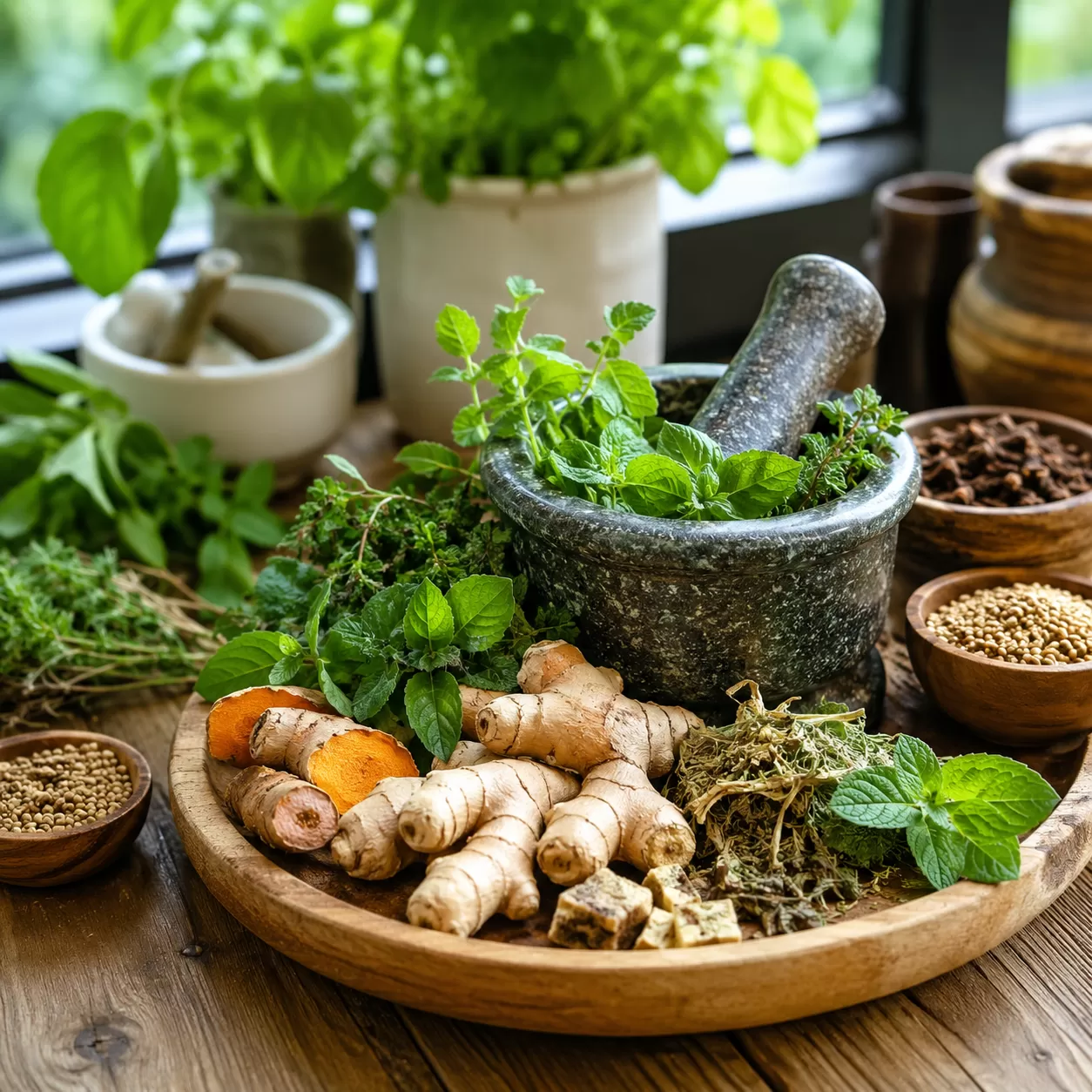
When a sluggish digestive system stalls your appetite, turning to time-tested botanical solutions can safely and effectively kickstart your hunger signals. Certain herbs act as natural hunger stimulants, priming your stomach for food by encouraging the production of vital digestive enzymes and stomach acid.
The Power of Bitter Tonics
Herbal bitter tonics have been used for centuries to awaken a dormant metabolism. When these bitter compounds hit the taste buds on your tongue, they trigger a reflex that stimulates the vagus nerve. This action immediately increases the secretion of saliva, gastric juices, and bile, making your body crave sustenance and prepare efficiently for nutrient absorption.
Curcumin (Turmeric Extract)
Curcumin, the active compound in turmeric, is a heavy hitter for restoring natural metabolic drive. It works by reducing low-grade inflammation in the gut and promoting healthy gallbladder function. By streamlining the breakdown of fats and heavy foods, curcumin prevents that uncomfortable, prolonged fullness that often discourages people from eating their next meal.
Ginger Root
Ginger root is an exceptional digestive accelerator that speeds up gastric emptying. If food sits in your stomach for too long, your brain never receives the signal that it is time to eat again. Ginger eliminates this roadblock by keeping the digestive tract moving smoothly, which naturally clears the way for healthy weight gain vitamins and minerals to do their job. For parents managing a picky eater, incorporating gentle, gut-supportive nutrients like our premium kids magnesium liquid drops can further soothe the digestive system and build a foundation for a better appetite.
Gentian Root and Blessed Thistle
Gentian root and blessed thistle are premier traditional herbs for addressing a persistent lack of appetite. Gentian is one of the most potent bitters available, widely utilized to treat general stomach weakness and under-eating. Blessed thistle complements it perfectly by supporting liver function and toning the stomach lining. Together, these botanicals serve as excellent over-the-counter hunger stimulants that help you naturally meet your daily caloric intake goals without feeling bloated or sluggish.
How to Choose High-Quality Vitamins That Can Boost Appetite
Selecting the right hunger stimulant requires looking past flashy labels. When you are struggling with a low appetite, your body needs clean, effective nutrients that absorb quickly without placing extra stress on your digestive system.
Key Factors for Selecting Appetite Supplements
| Criteria | What to Look For | Why It Matters |
|---|---|---|
| Formulation Purity | Zero artificial fillers, binders, or synthetic allergens. | Prevents stomach upset and ensures you only ingest active ingredients. |
| Bioavailability | Methylated B-vitamins, chelated minerals (like zinc picolinate). | Highly absorbable forms mean your body uses the nutrients immediately. |
| Third-Party Verification | NSF, USP, or ConsumerLab certifications. | Confirms the label matches what is actually inside the bottle. |
The Q'ankyaq Standard
We hold our products to a strict standard of purity and efficacy to help restore your natural metabolic drive. Every supplement we develop focuses on clean sourcing and high bioavailability so your body gets exactly what it needs to rebuild a healthy weight.
For those managing complex wellness goals alongside a sluggish metabolism, supporting lean muscle mass is vital. Incorporating targeted blends like HMB and L-leucine supplements can help preserve muscle health and structural strength while you work on increasing your daily caloric intake.
- Maximized Absorption: We utilize liquid delivery and highly bioavailable nutrient forms to ensure fast uptake.
- Clean Labels: No hidden additives or unnecessary preservation chemicals.
- Tested Efficacy: Every batch undergoes rigorous quality control to guarantee safety and potency for everyday use.
Practical Lifestyle Strategies to Maximize Your Hunger Drive
Boosting your appetite often requires a mix of the right nutrients and smart daily habits. If you are struggling to eat enough, relying on standard meal patterns can feel overwhelming. Implementing a few strategic adjustments to your daily routine can naturally stimulate hunger and make increasing daily caloric intake much easier.
Shift from Three Large Meals to Five Small Mini-Meals
When you have a low appetite, facing a large plate of food can feel daunting. Shifting your routine from three heavy meals to five or six smaller mini-meals prevents you from feeling overly full or bloated. Spacing out smaller portions throughout the day keeps your metabolism active without overwhelming your digestive system, making it easier for picky eater vitamin supplements and natural hunger cues to do their job.
Limit Fluids Right Before and During Mealtimes
Drinking water, soda, or tea right before or during a meal is a common mistake that can instantly crush your appetite. Fluids fill up your stomach quickly, signaling to your brain that you are full before you have consumed enough nutrients. To maximize your food intake, avoid drinking any liquids for 30 minutes before you eat, and take only small sips during the meal if necessary.
Incorporate Liquid Calories Wisely
While you want to avoid water before meals, utilizing nutrient-dense liquid calories between meals is an excellent strategy for anyone dealing with undereating. High-calorie smoothies, protein shakes, and organic liquid extracts are easier to digest than solid food and won't leave you feeling sluggish. For families managing erratic eating habits in children, using specialized formulas like black walnut wormwood liquid for kids can support overall digestive wellness and balance.
Prioritize Eye-Appealing and Aromatic Foods
The process of eating starts with your senses. The sight and smell of food trigger the release of salivary enzymes and gastric juices, which actively jumpstarts your appetite. To make meals more enticing:
- Use vibrant, colorful ingredients like fresh berries, greens, and warming spices.
- Cook with aromatic herbs like ginger, garlic, or rosemary to stimulate the olfactory senses.
- Serve food on smaller plates so the portions look manageable and less intimidating.
When to See a Doctor About Persistent Loss of Appetite
A sudden or prolonged drop in hunger isn't always something you can fix with dietary tweaks or a B-complex for weight gain. While tracking down the right vitamins that can boost appetite is a great first step, a chronic lack of a hunger drive can sometimes point to a deeper medical issue that requires a professional opinion.
Identifying Red Flags
When a flagging appetite is accompanied by specific physical changes, it's time to stop guessing and consult a healthcare provider. If you are experiencing a complete lack of natural hunger stimulants alongside unintentional, rapid weight loss, your body is sending a clear warning signal. This is especially critical for vulnerable groups experiencing severe appetite loss in older adults, where sudden malnutrition can lead to rapid muscle wasting. To help combat severe muscle loss and support recovery under a doctor's guidance, incorporating targeted nutrition like muscle energy gummies with HMB and L-leucine can be a valuable addition to a recovery plan.
Key Warning Symptoms
Monitor your body closely. You should schedule a medical evaluation immediately if your low appetite is paired with any of the following symptoms:
- Chronic Fatigue: Feeling completely drained of energy even with adequate rest.
- Severe Nausea or Vomiting: Inability to keep regular meals or fluids down.
- Unexplained Pain: Persistent abdominal discomfort, cramping, or bloating after eating.
- Mood Changes: Onset of severe anxiety, depression, or feelings of intense stress.
- Changes in Elimination: Chronic diarrhea, severe constipation, or noticeable changes in stool color.
Medication Intersections
Sometimes, the root cause of your suppressed metabolism isn't a nutrient deficiency at all—it's sitting in your medicine cabinet. Many common prescription drugs directly interfere with your brain's hunger cues and digestion.
Common Medication Culprits: Antibiotics, chemotherapy drugs, cardiac medications, stimulants, and certain blood pressure prescriptions are notorious for causing a total zinc deficiency loss of appetite or altering your sense of taste and smell entirely.
Never alter your prescription dosages on your own. If you suspect your medication is killing your desire to eat, speak directly with your doctor to explore alternative options or to find safe, complementary strategies for restoring natural metabolic drive.
Frequently Asked Questions (FAQs)
What are the best vitamins that can boost appetite quickly?
While no vitamin works overnight, Vitamin B1 (thiamine) and Zinc are the fastest at restoring a lagging appetite. Thiamine kickstarts your body’s ability to convert food into energy, which naturally signals your brain that it is time to eat again. If a nutrient deficiency is causing your low hunger drive, supplementing can show noticeable results within a few weeks.
Can a zinc deficiency cause a total loss of appetite?
Yes, absolutely. A severe zinc deficiency loss of appetite is incredibly common because zinc directly controls your perception of taste and smell. When your food tastes bland or cardboard-like, your desire to eat plummets. Replenishing your zinc levels can quickly restore these senses and bring back your natural cravings.
How does a B-complex for weight gain actually work?
A B-complex for weight gain doesn't magically add fat to your body. Instead, it combines essential B vitamins—like B1, B6, and B12—to repair your metabolic engine. These vitamins help your body process carbohydrates, fats, and proteins efficiently. As your metabolism speeds up and uses energy correctly, your body naturally triggers regular hunger cues to demand more fuel.
Are there over-the-counter hunger stimulants that are safe for older adults?
Appetite loss in older adults is a widespread issue due to a naturally slowing metabolism and medication side effects. While strong pharmaceutical options require a prescription, gentle natural hunger stimulants like low-dose Vitamin B12, liquid fish oil, and mild herbal bitter tonics are excellent, non-invasive choices. Always sync up with a primary care doctor before starting any new supplement regimen.
How can I stimulate hunger naturally without gaining unhealthy fat?
The secret to how to stimulate hunger naturally without gaining bad weight comes down to what you eat, not just how much. Focus on dense, high-quality nutrition.
- Prioritize Lean Proteins: Chicken, fish, and Greek yogurt build muscle rather than fat.
- Healthy Fats: Incorporate avocados, nuts, and omega-3 fish oil hunger cues to safely raise your daily caloric intake.
- Strength Training: Pair your increased appetite with light resistance exercise to ensure those extra calories go toward building healthy lean mass.
Related Articles
Related Articles
Related Articles
What the regulators say
“The FDA does not approve dietary supplements for safety and effectiveness before they reach the market.”
Reference point: The NIH ODS notes vitamin B12 deficiency risk rises with age and affects many adults over 50. (NIH ODS)
For the reference values and safety ceilings cited above, verify against the NIH Office of Dietary Supplements and the U.S. FDA. Neither body endorses any specific brand.
Frequently Asked Questions
What are dietary supplements?
Dietary supplements are products intended to add nutrients to your diet - including vitamins, minerals, herbs, amino acids, and enzymes in forms like gummies, capsules, liquids, or powders. They support wellness but are not a substitute for a balanced diet or medical care.
How do I choose the right supplement?
Identify your goal, then read the Supplement Facts label for form, dosage, and active ingredients. Consider third-party testing, your diet, and any medications. A registered dietitian can help personalize choices.
Do sleep supplements cause dependency?
Most melatonin-free sleep gummies use calming nutrients rather than habit-forming ingredients, but follow label directions and avoid long-term unsupervised use.
When should I take sleep gummies?
Typically 30-60 minutes before bed. Follow the product's stated timing and avoid driving afterward if you feel drowsy.
Are melatonin-free sleep aids effective?
Many people respond well to magnesium, L-theanine, or botanical blends that support relaxation without melatonin. Individual results vary.
Explore more in our Kids Supplements – Vitamins & Gummies for Children collection.
Related Articles
Related Articles
Related Products
Clinically-formulated q'ankyaq supplements to support your goals.


Oregano Oil with Black Seed Oil Organic Gummies for Kids and Adults with Immune Support


