

Top 20 Foods Rich in Antioxidants for Everyday Wellness
What Are Antioxidants?
Every day, your body faces an unseen battle against oxidative stress. To understand why foods rich in antioxidants are so critical for your longevity, you first need to understand the enemy: free radicals.
Free Radicals vs. Antioxidants
Think of free radicals as cellular thieves. These are unstable molecules missing an electron, and they ruthlessly storm through your body to steal electrons from healthy cells. This theft creates a destructive domino effect known as free radical damage, which accelerates aging and drives chronic disease.
Antioxidants are the ultimate heroes in this scenario. They safely step in and willingly donate an electron to neutralize the free radical. The best part? Antioxidants remain completely stable after giving up their electron, effectively halting cellular damage in its tracks.
Core Compounds Your Body Craves
To build a strong defense system, you need a steady intake of diverse plant-based antioxidant benefits. These compounds generally fall into two main categories:
- Essential Vitamins: Vitamin C and Vitamin E sources, along with Beta-Carotene, which directly shield cell membranes from oxidation.
- Active Phytochemicals: Powerful plant compounds like polyphenols and flavonoids, as well as lycopene, which give superfoods their vibrant colors and deep protective qualities.
Whole Foods vs. Antioxidant Supplements
When it comes to cellular health, a synthetic pill cannot replicate nature. Clinical research consistently shows that getting your nutrients from whole foods vs antioxidant supplements wins every single time.
| Source | Absorption | Nutritional Synergy | Risk of Toxicity |
|---|---|---|---|
| Real Whole Foods | High (Bound in a natural food matrix) | Excellent (Contains live enzymes and fiber) | None (Completely safe) |
| Synthetic Supplements | Low (Isolated chemical structures) | Poor (Lacks supporting co-factors) | Moderate (High doses can become pro-oxidant) |
Real food works because nutrients operate as a team. A single orange contains Vitamin C packaged alongside hundreds of co-factors that boost its potency. When you isolate these compounds into a synthetic pill, you lose that biological magic. Focus on real, intact food to unlock genuine cellular health and longevity.
The Top 5 Antioxidant Food Groups to Build Your Plate Around
Eating a diet packed with antioxidant-rich superfoods is the easiest way to defend your body from everyday wear and tear. You do not need to overcomplicate your meals to get these benefits. By focusing on these five nutrient-dense food groups, you can naturally flood your system with the polyphenols and flavonoids required for optimal health.
1. The Berry Brigade (Anthocyanin Powerhouses)
Wild blueberries, tart raspberries, blackberries, and strawberries are loaded with anthocyanins in berries. These vibrant pigments give berries their deep colors and provide heavy-duty support for your body.
- Brain Health: Preserves cognitive function and keeps memory sharp.
- Cardiovascular Protection: Supports clear, flexible blood vessels and healthy circulation.
2. The Deep-Green Shield (Carotenoid & Lutein Kings)
Dark leafy green vegetables like kale, spinach, Swiss chard, and watercress act as a cellular shield for your body. They are among the best Vitamin C and Vitamin E sources you can find in the produce aisle.
- Lutein: Directly protects your eyes from blue light and oxidative strain.
- Vitamin K: Supports strong bone density and proper calcium distribution.
3. The Cruciferous & Earthy Guardians
Red cabbage, broccoli florets, artichokes, and beets provide massive detoxification support. If you want to get more cruciferous power into your daily routine, especially for younger family members, a kids sulforaphane supplement made from broccoli sprout extract offers an easy, concentrated way to capture these exact cellular benefits.
- Sulfur Compounds: Found heavily in broccoli and cabbage to aid liver detox pathways.
- Betalains: The unique anti-inflammatory pigments found in beets that support overall recovery.
4. Crunchable Defense: Nuts & Seeds
Pecans, walnuts, and sprouted sunflower seeds deliver lipid-bound Vitamin E. Because your cell membranes are made of fats, they require fat-soluble protection to stay fully intact and resilient.
- Cell Membrane Shielding: Prevents lipid peroxidation (damage to fat cells).
- Healthy Fats: Improves the absorption of other fat-soluble antioxidants eaten in the same meal.
5. The Indulgences: Cocoa & Infusions
You do not have to give up your favorite treats to stay healthy. High-quality health benefits of dark chocolate (70% or higher), premium green tea, and freshly ground coffee offer dense concentrations of catechins and flavanols that naturally support healthy blood pressure and cardiovascular function.
Cooking vs. Raw: How to Maximize Nutrient Bioavailability
How you prepare your antioxidant-rich superfoods directly impacts how much nutrition your body actually absorbs. Throwing everything into a raw salad isn't always the best strategy for cellular health and longevity. To get the most out of your anti-inflammatory grocery list, you need to know which foods thrive under heat and which ones degrade.
The Raw Winners
Some vitamins are highly sensitive to heat and water. High temperatures destroy their molecular structure, drastically reducing their health benefits.
- Berries & Citrus Fruits: These are premium Vitamin C and Vitamin E sources. High heat destroys Vitamin C content rapidly. Keep your wild blueberries, strawberries, and oranges fresh or gently frozen to preserve their anthocyanins in berries.
- Melons & Kiwis: Best consumed raw and fresh to keep their delicate enzyme and vitamin profiles completely intact.
The Heat Winners
Crucial plant compounds are locked behind tough cellular walls. Applying mild heat breaks these walls down, making the nutrients far more bioavailable.
- Tomatoes: Cooking tomatoes drastically increases the absorption of lycopene. For the best results, utilize lycopene-rich tomato recipes like slow-simmered sauces or roasted tomatoes.
- Carrots & Sweet Potatoes: Heat unlocks the dietary sources of beta-carotene hidden inside these root vegetables, converting it into an accessible format for your immune system.
- Spinach & Asparagus: Lightly steaming these dark leafy green vegetables degrades oxalic acid, freeing up antioxidants and minerals for easier digestion.
The Fat Trick for Maximum Absorption
Many of the most powerful antioxidants—like Vitamin E, Beta-Carotene, and Lycopene—are fat-soluble. If you eat them completely dry, your body will pass them right through without absorbing the benefits.
| Antioxidant Type | Best Food Sources | Required Healthy Fat Companion |
|---|---|---|
| Beta-Carotene | Carrots, Sweet Potatoes, Kale | Extra Virgin Olive Oil |
| Lycopene | Tomatoes, Red Bell Peppers | Avocado or Avocado Oil |
| Vitamin E | Spinach, Swiss Chard | Grass-fed Butter or Ghee |
Pro-Tip: Pairing your cooked or raw plant-based antioxidant benefits with a high-quality healthy fat is absolutely non-negotiable if you want to prevent free radical damage prevention and optimize your daily cellular defense.
The q'ankyaq Blueprint: A Simple Day of Cellular Eating
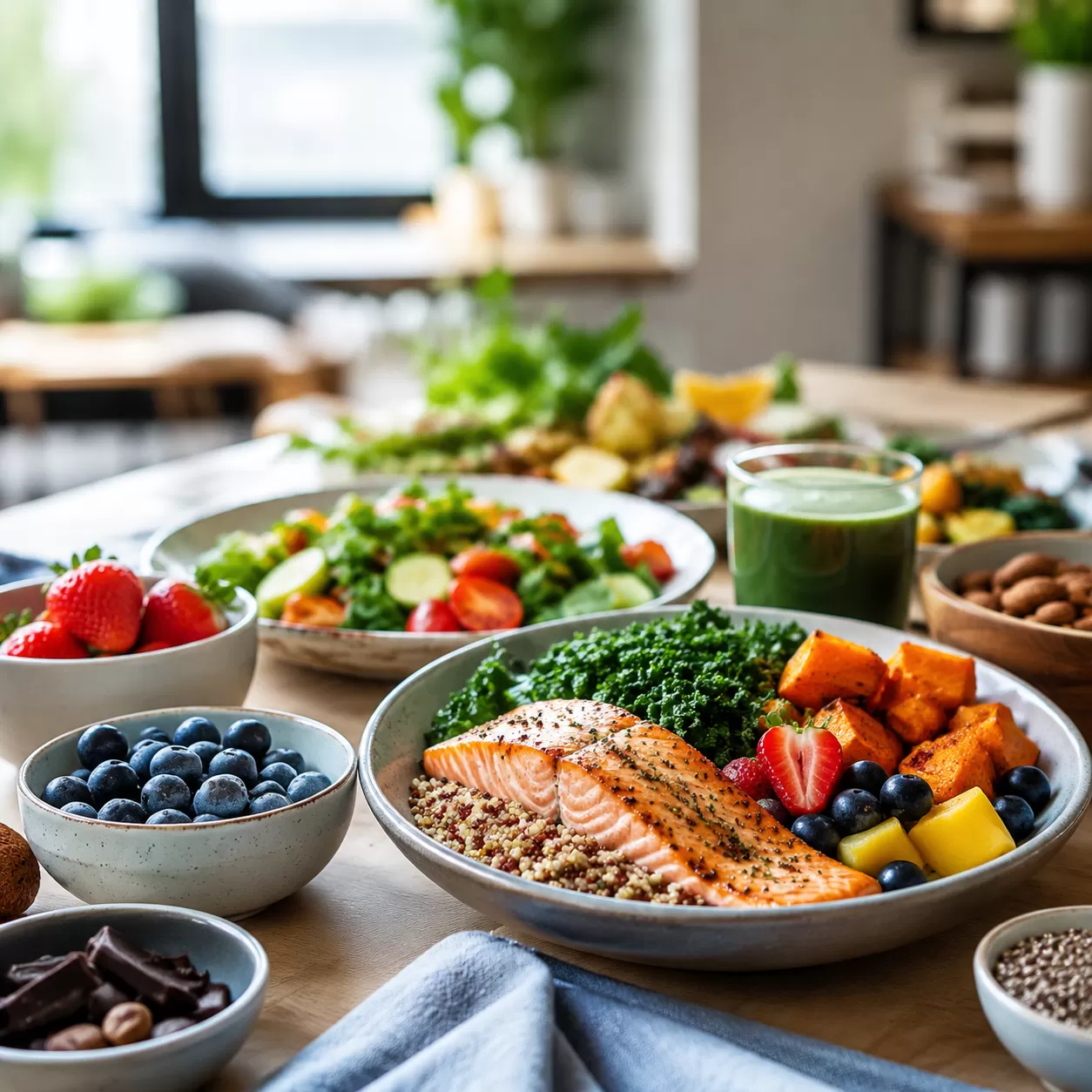
Eating a diet packed with foods rich in antioxidants does not have to be complicated. We designed this straightforward daily meal plan to help you flood your system with protective compounds from morning until night.
- Morning Ritual: Start your day with a vibrant, berry-packed smoothie loaded with anthocyanins, paired with a warm cup of ceremonial green tea.
- Mid-Day Fuel: Fuel your afternoon with a crisp dark-green salad topped with shredded purple cabbage, shaved beets, and raw pecans for healthy fats. To complement this clean, plant-based lunch, you can further assist your body's natural filtration systems by incorporating our targeted kidney cleanse detox and repair liquid drops.
- Evening Reset: Wind down with a roasted Mediterranean bowl featuring cooked tomatoes, garlic, broccoli florets, and a clean, lean protein.
- Night Cap: Finish the day with a small square of rich dark chocolate to lock in your daily antioxidant defenses and satisfy your sweet tooth naturally.
Frequently Asked Questions About Antioxidant-Rich Superfoods
Can you get too many antioxidants from whole foods?
No. When you consume antioxidant-rich superfoods, your body absorbs them within a complex, natural food matrix that inherently prevents overdosing. While synthetic antioxidant supplements can sometimes overperform to a fault—potentially causing imbalances—getting your nutrients from whole foods is completely safe and highly recommended for long-term cellular health and longevity.
Does freezing berries destroy their antioxidant capacity?
Not at all. In fact, freezing berries right after harvest locks in their nutritional value. The potent anthocyanins in berries remain highly stable during the freezing process. Keeping a bag of wild blueberries or raspberries in your freezer is an excellent, cost-effective way to maintain your daily defense against free radical damage prevention.
What are high ORAC score foods and do they matter?
ORAC (Oxygen Radical Absorbance Capacity) is a lab measurement used to gauge how effectively a food neutralizes free radicals. While it provides a helpful baseline for identifying top-tier plant-based antioxidant benefits, it doesn’t tell the whole story. What matters most is eating a diverse mix of dark leafy green vegetables, fruits, and whole foods rather than chasing a single high score on a chart.
Is cold-pressed green tea better than regular brewed tea?
Cold-pressed green tea often retains a slightly higher concentration of delicate volatile compounds and offers a smoother taste, but traditional hot brewing still extracts massive amounts of beneficial polyphenols and flavonoids. Both methods are exceptional for your health. If you are looking to round out your daily wellness routine beyond your morning brew, exploring targeted options like our specialized cholesterol supplements can help support your cardiovascular goals alongside a clean, antioxidant-heavy diet.