
Top 20 Foods Rich in Vitamin B12 and Daily RDA Guide
Understanding Vitamin B12: What Does It Do and How Much Do You Need?
I frequently hear from people wondering why they feel constantly fatigued or foggy, and often, the culprit is a lack of foods rich in vitamin b12. Also known as cobalamin, this essential water-soluble nutrient is a cornerstone of your daily energy and long-term vitality. Because your body cannot produce it naturally, getting enough through your diet is non-negotiable.
Part of the q'ankyaq Gut Health Hub — explore the complete guide.
The Crucial Biological Roles
Vitamin B12 runs several critical systems behind the scenes. Without it, your body's daily infrastructure quite literally begins to stall.
- Red Blood Cell Production: B12 is essential for normal red blood cell formation. A deficiency causes these cells to expand abnormally, preventing them from leaving the bone marrow and leading to megaloblastic anemia.
- Neurological Health and Energy: It maintains the myelin sheath—the protective coating around your nerves. Healthy nerves mean sharper cognitive function, better memory, and sustained neurological health and energy.
- Metabolic Conversion: B12 works at a cellular level to assist in DNA synthesis and convert the carbohydrates you eat into usable cellular energy.
Daily Requirements Across Lifecycle
Your Recommended Dietary Allowance (RDA) changes depending on your stage of life. Women who are pregnant or lactating require significantly higher amounts to support fetal and infant development.
| Life Stage | Recommended Dietary Allowance (RDA) |
|---|---|
| Standard Adults (19+ years) | 2.4 mcg |
| Pregnancy | 2.6 mcg |
| Lactation | 2.8 mcg |
Vitamin B12 Absorption
Getting enough cobalamin health benefits isn't just about what you swallow; it relies heavily on a complex Vitamin B12 absorption process in your digestive tract.
- Stomach Acid Unlocking: When you consume animal-based food sources, hydrochloric acid and pepsin in your stomach must first unbind the B12 from the protein it is attached to.
- The Intrinsic Factor Binding: Once freed, the B12 must bind with a special protein called intrinsic factor, which is secreted by the cells of your stomach lining.
- Small Intestine Delivery: This combined complex travels to the lower part of the small intestine (the ileum), where it is finally absorbed into the bloodstream.
If your gut health is compromised, or if conditions like pernicious anemia block intrinsic factor production, your body cannot absorb this vital nutrient efficiently, no matter how much you consume.
The Ultimate List: Top Animal-Based Foods Rich in Vitamin B12
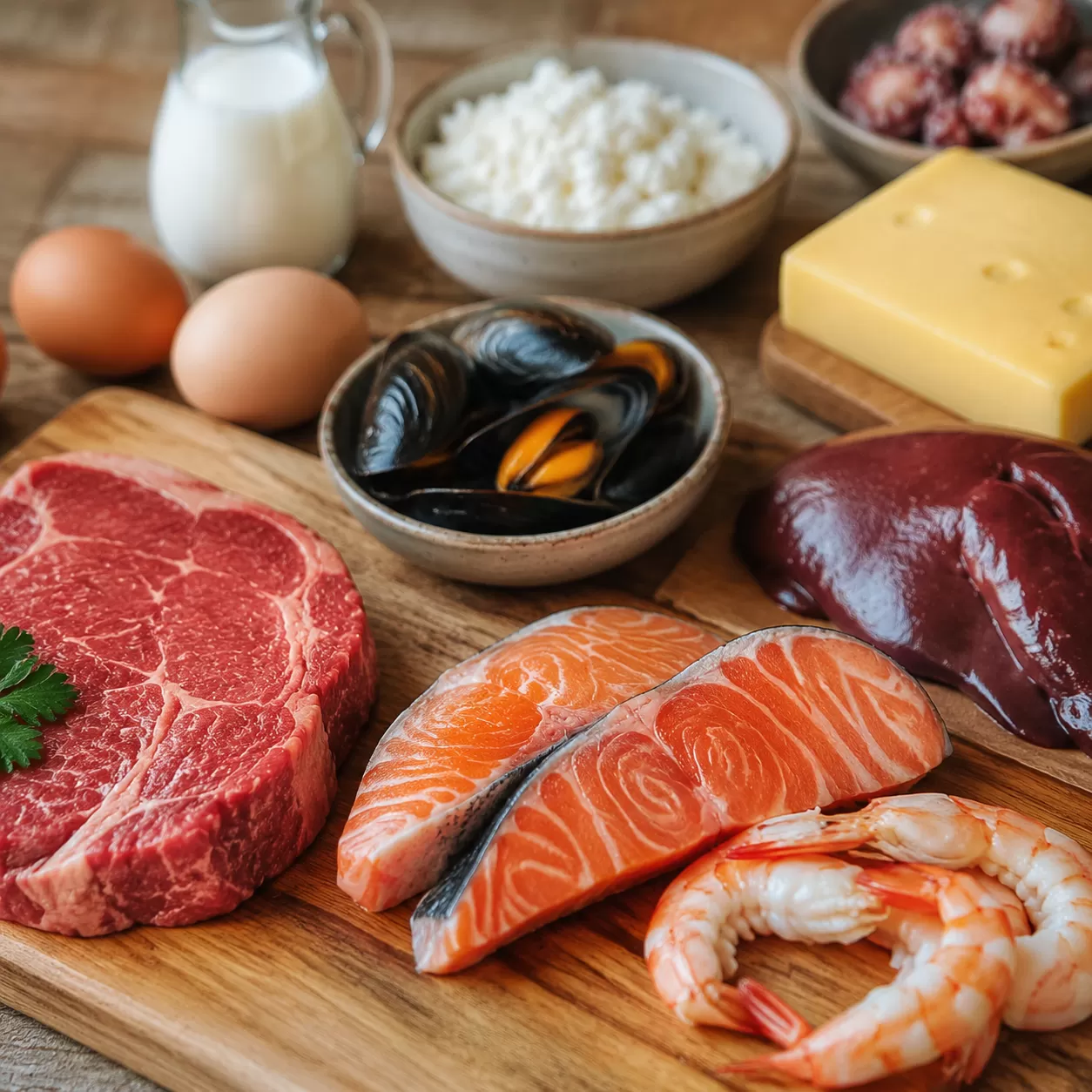
When you want to boost your energy and keep your nervous system running smoothly, turning to whole-food, animal-based sources is the most efficient strategy. Vitamin B12 is bound to the proteins in animal products, making them highly bioavailable and easily absorbed by the human body. Focusing on nutrient-dense options ensures you easily hit your daily requirements.
Organ Meats: The Nutrient Powerhouses
If you are looking for the absolute highest concentration of cobalamin, organ meats reign supreme. Beef liver and kidneys are practically unmatched in their nutritional density. A single 3-ounce serving of beef liver delivers over 3,000% of the daily value (DV) for an average adult, while also supplying massive doses of iron and vitamin A. For those looking to support total body wellness alongside their nutritional intake, incorporating a targeted routine like a kidney refresh detox can complement a nutrient-dense diet aimed at systemic vitality.
Bivalves and Shellfish
Shellfish represent another elite tier of animal-based food sources for B12. Clams, oysters, and mussels are exceptionally rich in this vital nutrient.
- Clams: Just a small serving of steamed clams provides an astonishingly high concentration of B12, along with a massive dose of lean protein and zinc.
- Oysters and Mussels: These bivalves offer an excellent balance of B12, iron, and crucial omega-3 fatty acids, making them perfect for cellular health and metabolic conversion.
Cold-Water and Fatty Fish
Incorporating fatty fish into your weekly meal rotation is a delicious and accessible way to prevent Vitamin B12 deficiency symptoms. These fish pull double duty by protecting your cardiovascular system while fueling red blood cell production.
- Sardines: Often sold canned, these small fish are packed with B12 because you consume them whole, bones and all.
- Wild Atlantic Salmon: A staple for neurological health and energy, offering a clean, potent source of high-quality protein and cobalamin.
- Trout and Light Canned Tuna: Highly accessible, affordable, and incredibly easy to prep for quick weekday lunches or dinners.
Grass-Fed Red Meat
For standard American households, grass-fed red meat is one of the most popular and reliable ways to maintain optimal B12 levels. Opting for grass-fed varieties ensures a superior nutritional profile, offering higher ratios of omega-3s and conjugated linoleic acid (CLA) compared to grain-fed alternatives. A standard 3-ounce beef steak provides roughly 100% of the daily value of B12 required for an average adult, making it a reliable foundation for your daily nutritional needs.
Frequently Asked Questions About Foods Rich in Vitamin B12
What are the primary Vitamin B12 deficiency symptoms?
When your body runs low on cobalamin, the signs usually hit your energy levels and nervous system first. Common Vitamin B12 deficiency symptoms include chronic fatigue, muscle weakness, numbness or a "pins and needles" sensation in the hands and feet, and brain fog. Over time, a lack of regular red blood cell production can lead to megaloblastic anemia, leaving you feeling constantly drained and pale. Maintaining optimal nutrient intake is essential for daily neurological health and energy.
Can you get enough Vitamin B12 from a strict vegan diet without supplements?
No, you cannot get adequate amounts of Vitamin B12 from a strict, whole-food vegan diet without using supplements or fortified products. Natural, bioavailable B12 is exclusively found in animal-based food sources. While some plant-based milk alternatives, fortified breakfast cereals, and fortified nutritional yeast offer synthetic B12, strict vegans generally need a reliable daily cobalamin or methylcobalamin supplement to completely prevent a deficiency.
What is the daily value (DV) of B12 required for an average adult?
The official daily value (DV) of B12 for adults is 2.4 micrograms ($mutext{g}$) per day. This baseline Recommended Dietary Allowance (RDA) ticks up slightly for pregnant individuals ($2.6,mutext{g}$) and lactating mothers ($2.8,mutext{g}$) to support fetal and infant development. Because the body doesn't store water-soluble vitamins indefinitely, eating foods rich in vitamin b12 regularly is the best way to hit this target.
How does pernicious anemia affect Vitamin B12 absorption?
Pernicious anemia is an autoimmune condition where the body mistakenly attacks the stomach cells responsible for producing intrinsic factor—a crucial protein required for Vitamin B12 absorption in the small intestine. Without intrinsic factor, your gut cannot bind to and extract B12 from your food, no matter how many organ meats or shellfish you eat. People dealing with this condition typically require high-dose oral supplements or regular B12 injections to bypass the digestive tract entirely.
Related Articles
Related Articles
Related Articles
What the regulators say
“The FDA does not approve dietary supplements for safety and effectiveness before they reach the market.”
Reference point: The NIH ODS lists 350 mg per day as the upper limit for magnesium obtained from supplements. (NIH ODS)
For the reference values and safety ceilings cited above, verify against the NIH Office of Dietary Supplements and the U.S. FDA. Neither body endorses any specific brand.
Frequently Asked Questions
What are dietary supplements?
Dietary supplements are products intended to add nutrients to your diet - including vitamins, minerals, herbs, amino acids, and enzymes in forms like gummies, capsules, liquids, or powders. They support wellness but are not a substitute for a balanced diet or medical care.
How do I choose the right supplement?
Identify your goal, then read the Supplement Facts label for form, dosage, and active ingredients. Consider third-party testing, your diet, and any medications. A registered dietitian can help personalize choices.
Explore more in our Best Seller collection.
Related Articles
Related Articles
Related Products
Clinically-formulated q'ankyaq supplements to support your goals.


Oregano Oil with Black Seed Oil Organic Gummies for Kids and Adults with Immune Support


