
Herbal Supplements Guide Science Backed Benefits and Safety
How Do Herbal Supplements Work? The Science of Botanicals
When I first started looking into natural wellness, I asked myself the same question you probably are right now: how exactly do herbal supplements work? It turns out, it is not magic—it is chemistry. Plants are living labs, and when we consume evidence-based botanicals, we are introducing highly complex, active plant compounds into our bodies to support our natural systems.
Part of the q'ankyaq Gut Health Hub — explore the complete guide.
The Power of Phytochemicals
Plants survive in the wild by producing their own defense systems. These compounds are called phytochemicals and antioxidants. When we harvest these botanical bioactives, they interact with our own biology. For example, some phytochemicals bind to cell receptors to calm our nervous system, while others hunt down free radicals to protect our tissues from oxidative stress.
Whole-Herb Synergies vs. Isolated Compounds
In modern medicine, scientists usually isolate a single chemical to make a drug. Nature takes a different route. Whole plants rely on herb synergy, meaning hundreds of minor compounds work together to boost absorption and reduce side effects. Think of it like a band: the lead singer gets the credit, but the backup instruments make the song work.
I always point to the bioavailability of turmeric as a perfect example. On its own, your body struggles to absorb curcumin (the active part of turmeric). But when kept closer to its natural form and paired with black pepper, absorption shoots up dramatically.
The Role of Standardized Herbal Extracts
To get consistent results, we cannot just rely on crushed plant powder, which varies in strength from batch to batch. That is where standardized herbal extracts come in. This process guarantees that every single dose contains a exact, reliable percentage of the active botanical bioactives.
| Form | What It Is | Consistency |
|---|---|---|
| Whole Plant Powder | Dried, ground-up plant material. | Variable; depends on soil, weather, and harvest time. |
| Standardized Extract | Plant concentrate tested for specific active compounds. | High; guarantees a safe herbal dosage and exact potency every time. |
By focusing on standardized extracts, we ensure our bodies get the exact science-backed support needed to build natural stress resilience and maintain long-term balance.
Core Health Benefits of Herbal Supplements: What the Science Says
Modern research continues to validate what traditional medicine has known for centuries. Today, we look at herbal supplements through a clinical lens to understand how they support everyday vitality, target cellular health, and optimize your body's natural systems.
Stress Resilience & Mood Support
Life in the US moves fast, and chronic stress can deplete your physical and mental reserves. Adaptogenic herbs work directly with the hypothalamic-pituitary-adrenal (HPA) axis to stabilize cortisol levels, helping you build natural stress resilience without the crash associated with stimulants.
- Ashwagandha Extract: Clinically shown to lower perceived anxiety and reduce morning cortisol levels.
- Rhodiola Rosea: Enhances mental clarity, fights fatigue, and improves focus under burnout conditions.
- Holy Basil (Tulsi): Supports emotional balance and protects against environmental stressors.
Inflammation Modulation & Metabolic Health
Systemic inflammation is often the root cause of metabolic sluggishness and joint discomfort. Incorporating evidence-based botanicals into your routine helps modulate inflammatory pathways (like NF-kB and COX-2) while providing robust metabolic health support.
| Botanical Bioactives | Primary Mechanism | Targeted Health Benefit |
|---|---|---|
| Curcumin (Turmeric) | Inhibits inflammatory cytokines | Promotes joint comfort and cardiovascular health |
| Berberine | Activates AMPK pathways | Supports healthy blood sugar levels and insulin sensitivity |
| Gingerol (Ginger) | Accelerates gastric emptying | Eases digestive distress and muscle soreness |
Pro-Tip: The bioavailability of turmeric increases by up to 2,000% when paired with black pepper extract (piperine). Always check your labels for this synergy.
The Connected Microbiome (Gut-Brain Axis)
Your gut and brain are in constant communication via the vagus nerve. By utilizing gut-brain axis supplements, you can improve both your digestive comfort and your cognitive health simultaneously.
Phytochemicals and antioxidants found in specific herbs feed beneficial gut bacteria, strengthening the intestinal barrier and boosting neurotransmitter production (like serotonin and GABA). For targeted family wellness, incorporating clean formulas like our kids magnesium liquid drops can further soothe the nervous system and support healthy, relaxed digestion. A thriving microbiome directly translates to a sharper mind, a more resilient immune system, and more stable energy levels throughout the day.
The Hidden Risks: Safety, Quality, and Interactions
When it comes to herbal supplements, natural does not always mean safe. While botanical bioactives offer incredible wellness benefits, navigating the market requires a sharp eye for quality and a solid understanding of how these plants interact with our bodies.
The Regulation Reality Check
The supplement industry in the United States operates differently than prescription medication. The FDA does not approve herbal supplements for safety and effectiveness before they hit the shelves. This means the responsibility falls squarely on brands to ensure purity, and on consumers to choose wisely. Low-quality products often contain fillers, heavy metals, or inconsistent doses of the actual herb, making sourcing the most critical step in your wellness routine.
Critical Herbal-Drug Interactions
One of the biggest hidden risks involves herbal drug interactions. Because botanicals contain powerful compounds, they can alter how your body processes prescription medications.
- Blood Thinners: Herbs like ginkgo biloba and high-dose vitamin E can increase bleeding risks.
- Enzyme Activity: Certain plants speed up or slow down liver enzymes, either flushing medications out too quickly or causing them to build up to dangerous levels.
- Targeted Support: If you are managing specific health transitions, choosing precisely formulated blends like our menopause liquid drops for women ensures you get standardized herbal extracts designed to work safely and effectively without the guesswork of raw powders.
Navigating Side Effects
Even high-quality evidence-based botanicals can cause mild side effects if your body isn't used to them. Mild nausea, headaches, or digestive shifts can happen when starting a new routine. To minimize risks, always introduce one new supplement at a time and follow a safe herbal dosage. Listening to your body and tracking how you feel ensures you reap the benefits of your wellness routine without overwhelming your system.
The Smart Consumer’s Blueprint: How to Choose Safe Herbal Supplements
Navigating the wellness aisle isn't easy. With thousands of herbal supplements on the market, finding products that are both safe and effective requires a strategic approach. We build our formulations around strict quality baselines so you always know exactly what you are putting into your body.
Look for Third-Party Certified Supplements
The supplement industry in the United States does not require pre-market approval by the FDA. This makes independent, third-party testing the single most important factor when choosing your botanicals.
- What it guarantees: Verification that what is on the label is exactly what is inside the bottle.
- What it prevents: Heavy metal contamination, hidden pesticides, harmful microbes, and intentional adulteration.
- Top testing organizations: Look for seals from USP (United States Pharmacopeia), NSF International, or ConsumerLab.
Label Literacy & Standardized Herbal Extracts
Reading a supplement label correctly helps you avoid weak formulas and generic "house blends." Always check the supplement facts panel for transparency.
| What to Avoid | What to Look For | Why It Matters |
|---|---|---|
| Proprietary Blends | Labeled specific dosages | "Blends" often hide low amounts of expensive, evidence-based botanicals behind a high total weight. |
| Generic Plant Powder | Standardized herbal extracts | Standardized extract guarantees a consistent percentage of botanical bioactives (like active curcuminoids in turmeric). |
| Mystery Fillers | Clear "Other Ingredients" list | Transparent brands minimize artificial binders, colors, or unnecessary chemical flow agents. |
The Importance of Sustainable Sourcing
Where a plant grows matters just as much as how it is processed. Soil health, climate, and harvesting methods directly dictate the potency of phytochemicals and antioxidants. We prioritize sustainable sourcing wellness practices because plants grown in native environments naturally develop stronger bioactive profiles. For example, our kids sulforaphane supplement broccoli sprout extract liquid relies on carefully sourced, high-yield clean ingredients to ensure a gentle yet potent formula suitable for growing bodies.
The q'ankyaq Standard
We don't believe in cutting corners. The q'ankyaq Standard is our internal commitment to absolute transparency, clean manufacturing, and maximum bioavailablity. Every liquid drop and gummy we produce undergoes rigorous batch testing to ensure zero contamination, clean labels, and optimal absorption rates for your daily routine.
Designing a Simplified Daily Routine With Herbal Supplements
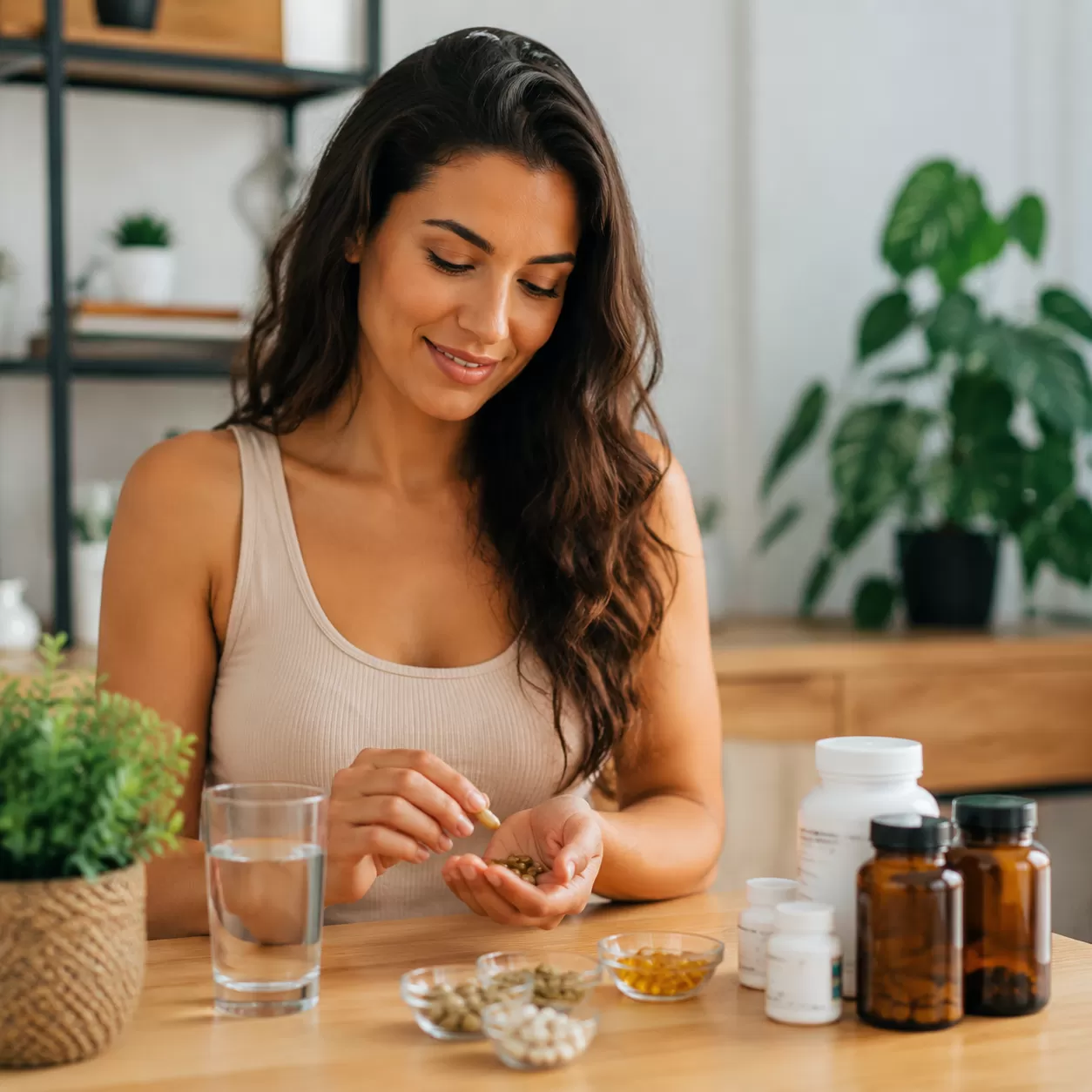
Saying Goodbye to "Drawer Overwhelm"
We have all been there—a kitchen cabinet overflowing with half-empty bottles, leaving you unsure of what to take or why you bought it in the first place. Building a multifunctional wellness routine shouldn't feel like a chore. Instead of swallowing a dozen different pills, focus on a few high-quality, targeted formulas that address multiple goals at once. Streamlining your setup clears the clutter and ensures you actually stick to your wellness goals.
Timing and Delivery Formats
When and how you take your herbal supplements completely changes how your body uses them.
- Morning: Best for energy and immune support.
- With Meals: Fat-soluble botanicals require healthy fats for proper absorption.
- Night: Perfect for relaxation and recovery herbs.
Delivery formats matter just as much as timing. While capsules are convenient, liquid drops offer rapid absorption and customizable dosing. For example, adding targeted kidney cleanse detox repair liquid drops to your morning water is an effortless way to support your filtration system without adding another pill to your day.
The Golden Rule
The ultimate secret to seeing results with evidence-based botanicals is consistency over intensity. Taking a massive dose once in a while does nothing; taking a safe herbal dosage consistently allows the plant compounds to build up in your system. We craft our products to fit seamlessly into a busy life, making it easy to stay consistent, protect your health, and finally clear out the supplement drawer overwhelm.
Frequently Asked Questions (FAQs) About Herbal Supplements
Are herbal supplements safe to take every day?
Many herbal supplements are safe for daily use, but it completely depends on the botanical bioactive and your individual body. Adaptogenic herbs like ashwagandha extract are often designed for daily, long-term support to build natural stress resilience.
However, other botanicals are meant for short-term, targeted interventions. For example, potent cleansing blends—like our black walnut wormwood liquid—are best used for specific cycles rather than continuous year-round supplementation. Always follow the safe herbal dosage on the label and listen to your body.
Can I take herbal supplements with my prescription medications?
You should always consult your healthcare provider before mixing botanicals with prescriptions. Herbal drug interactions are a real risk because certain plants can change how your liver processes medications, either making them less effective or dangerously strong.
- Blood thinners: Frequently interact with high-dose botanicals.
- Enzyme activity: Some herbs speed up or slow down medication clearance.
- Spacing: If cleared by a doctor, take your supplements and medications at least two hours apart.
How long does it take for herbal supplements to start working?
There is no single timeline for evidence-based botanicals. The speed of results depends on the health goal and the delivery format:
| Supplement Type | Expected Timeline | Primary Focus |
|---|---|---|
| Acute Support (e.g., sleep, digestion) | 20 to 60 minutes | Immediate comfort |
| Systemic Support (e.g., metabolic health support) | 2 to 4 weeks | Cellular adjustments |
| Adaptogens (e.g., building stress resilience) | 3 to 6 weeks | Cumulative nervous system balance |
What is the difference between a standardized extract and whole plant powder?
The main difference comes down to potency, predictability, and bioavailability.
- Whole Plant Powder: This is simply the dried herb ground into powder. It retains the natural plant blueprint but has lower concentrations of the active ingredients, meaning you have to take much more of it to see results.
- Standardized Herbal Extracts: These are processed to guarantee a specific, consistent percentage of the exact phytochemicals and antioxidants responsible for the herb's health benefits. This ensures you get a reliable, effective dose in every single serving.
Related Articles
Related Articles
Related Articles
Explore more in our Energy support collection.
What the regulators say
“The FDA does not approve dietary supplements for safety and effectiveness before they reach the market.”
Reference point: The NIH ODS lists 350 mg per day as the upper limit for magnesium obtained from supplements. (NIH ODS)
For the reference values and safety ceilings cited above, verify against the NIH Office of Dietary Supplements and the U.S. FDA. Neither body endorses any specific brand.
Frequently Asked Questions
What are dietary supplements?
Dietary supplements are products intended to add nutrients to your diet - including vitamins, minerals, herbs, amino acids, and enzymes in forms like gummies, capsules, liquids, or powders. They support wellness but are not a substitute for a balanced diet or medical care.
How do I choose the right supplement?
Identify your goal, then read the Supplement Facts label for form, dosage, and active ingredients. Consider third-party testing, your diet, and any medications. A registered dietitian can help personalize choices.
Related Articles
Related Articles
Related Products
Clinically-formulated q'ankyaq supplements to support your goals.


Oregano Oil with Black Seed Oil Organic Gummies for Kids and Adults with Immune Support


