
Foods High in Zinc Top Sources Benefits and Absorption Tips
Why Your Body Demands Zinc (The Health Payoff)
I always tell my clients that if you overlook trace minerals, your health will pay the price. Zinc is a non-negotiable cornerstone for daily physical performance and long-term wellness. Because your body cannot store this essential nutrient, eating foods high in zinc every single day is required to stay at the top of your game.
Part of the q'ankyaq Gut Health Hub — explore the complete guide.
Immune System Support
Zinc acts as the ultimate defense commander for your body. It directly fuels the development and activation of T-lymphocytes, which are the white blood cells responsible for targeting and neutralizing immune threats.
- The payoff: Consistent intake cuts down the duration of seasonal bugs.
- The mechanism: It stops viral replication right in its tracks within the nasal mucosa.
Metabolic & Enzyme Function
Every single second, your body relies on over 300 different enzymatic reactions to keep you alive and energized. Zinc serves as the essential catalyst for these processes, directly impacting how you break down food and utilize energy.
| Process | Zinc's Direct Role |
|---|---|
| Macronutrient Metabolism | Converts proteins, carbs, and fats into usable cellular energy. |
| Protein Synthesis | Rebuilds muscle tissue after intense physical exertion. |
| DNA Expression | Controls how your body reads genetic blueprints for cellular repair. |
Wound Healing & Skin Integrity
If you deal with stubborn acne, slow-healing cuts, or chronic skin inflammation, you are likely missing out on foods high in zinc. This mineral is mandatory for collagen synthesis and cell membrane structural integrity. It repairs tissue from the inside out, making it a critical asset for clear skin and rapid recovery from physical injuries.
Cognitive & Hormonal Balance
Your brain chemistry and hormone production depend heavily on steady zinc levels. It regulates neurotransmitters to keep your mood stable and focus sharp. On the hormonal front, zinc regulates testosterone production in men and ovulation in women, making it an absolute baseline requirement for maintaining high energy, lean muscle mass, and sharp cognitive function.
Understanding Daily Requirements & Bioavailability of Zinc
To get the most out of foods high in zinc, you need to know how much your body actually requires daily and how well it absorbs this essential trace mineral.
The Numbers
The Recommended Daily Allowance (RDA) for zinc varies based on age and sex. Because your body cannot store zinc, meeting these daily targets through your diet is critical.
| Group | Age | Recommended Daily Allowance (RDA) |
|---|---|---|
| Adult Men | 19+ years | 11 mg |
| Adult Women | 19+ years | 8 mg |
| Pregnant Women | 14–50 years | 11–12 mg |
| Lactating Women | 14–50 years | 12–13 mg |
The Bioavailability Gap
Eating foods high in zinc is only half the battle. The bioavailability of zinc—the amount of the mineral your body successfully absorbs and uses—changes drastically depending on the food source.
- Animal-Based Zinc: Highly bioavailable. Animal proteins lack interfering compounds, making it easy for your system to utilize the mineral.
- Plant-Based Zinc: Lower bioavailability. Plant sources often contain phytates, which bind to minerals and hinder absorption.
While optimizing your own dietary intake, keeping the whole family healthy is just as vital. Along with tracking core minerals like zinc, ensuring your little ones get their daily nutritional support is easy with our clean kids magnesium liquid drops designed for growing bodies. Understanding these absorption rates ensures you select the right food combinations to prevent deficiencies.
Top Animal-Based Foods High in Zinc (Premium Bioavailability)
When it comes to packing more zinc into your diet, animal-based proteins are the undisputed heavyweights. The reason is simple: bioavailability of zinc. Your body absorbs this crucial trace mineral much more efficiently from animal products than from plant sources, largely because animal proteins lack the phytates that bind to minerals and block absorption. If you want to move the needle on your zinc levels fast, turning to high-quality animal foods is the most direct route.
Shellfish (The Gold Standard)
If there is a king of foods high in zinc, it is shellfish—specifically oysters and shellfish like crab and lobster. Oysters contain more zinc per serving than any other food on the planet. Just a few wild-caught oysters can easily blow past your Recommended Daily Allowance (RDA) for the day, providing an immediate boost for immune system support and cellular repair. For those managing complex hormonal transitions where nutrient gaps frequently appear, keeping zinc levels optimized is just as critical as targeted supplementation, such as using menopause liquid drops for women to maintain overall systemic balance.
- Oysters: The ultimate zinc bomb, delivering massive amounts in a single serving.
- Crab & Lobster: Excellent secondary shellfish sources that provide high-quality lean protein alongside essential trace minerals.
Red Meat & Poultry
For the average American diet, beef, pork, and lamb serve as the primary daily sources of highly bioavailable zinc. Animal-based proteins are structurally ideal for optimal digestion, ensuring your body actually utilizes the minerals you consume.
| Meat Type | Zinc Efficiency | Key Benefit |
|---|---|---|
| Grass-Fed Beef | Exceptional | High zinc density + iron and B vitamins |
| Dark Chicken Meat | Moderate-High | Great everyday option, significantly higher in zinc than white meat |
| Pork Chops / Loin | Moderate | Lean protein option with a solid trace mineral profile |
Dairy & Eggs
While not as heavily concentrated as a ribeye steak or a plate of oysters, dairy products and eggs offer a steady, reliable stream of zinc that integrates seamlessly into daily meal prep.
- Cheddar & Swiss Cheese: Provides a bioavailable dose of zinc along with calcium and fat-soluble vitamins.
- Whole Eggs: The yolk contains the bulk of the egg's zinc content, making whole eggs a smart addition to an immune-supportive breakfast.
Top Plant-Based Foods High in Zinc (For Vegans & Vegetarians)
Getting enough zinc on a plant-based diet is entirely doable, but it requires some strategy. While animal products offer high bioavailability, many plant-based zinc sources can easily fulfill your daily requirements if you know what to put on your plate. Focusing on whole, nutrient-dense foods ensures you maintain your energy, metabolism, and thyroid supplement liquid drops for women health, which relies heavily on trace minerals for proper hormonal balance.
Seeds & Nuts
Seeds and nuts are absolute powerhouses when it comes to healthy fats and trace minerals. Incorporating a handful of these into your daily routine is one of the easiest ways to upgrade your nutrient intake.
- Pumpkin Seeds (Pepitas): One of the best plant sources available. Just one ounce delivers a massive chunk of your daily needs.
- Hemp Seeds: Packed with protein, omega fatty acids, and excellent zinc levels.
- Cashews and Almonds: Great for quick snacking or adding creamy textures to plant-based sauces.
Legumes & Whole Grains
Legumes and grains form the backbone of a solid vegan or vegetarian diet. They pull double duty by providing clean carbohydrates, fiber, and essential minerals.
- Chickpeas and Lentils: Perfect for stews, curries, and salads. They offer a steady release of energy alongside essential minerals.
- Oats and Quinoa: Whole grains that keep your metabolism humming and provide a solid baseline of daily zinc.
Soy Products
Minimal processing makes soy products highly nutritious options for anyone skipping meat.
- Tofu and Tempeh: These versatile proteins absorb flavors incredibly well and serve as a reliable source of minerals for muscle recovery and cell function.
- Edamame: A convenient, high-protein snack that fits perfectly into any meal prep routine.
Fortified Options
When whole foods need a little backup, fortified options bridge the gap effortlessly.
- Fortified Breakfast Cereals: Many clean, whole-grain cereals are fortified to deliver 100% of your Recommended Daily Allowance (RDA) of zinc per serving.
- Plant Milks: Check labels for almond, oat, or soy milks that have been enriched with vitamins and minerals.
Plant-Based Zinc Reference Table
| Food Source (1 oz / 100g serving) | Zinc Content (Approximate) | Best Way to Eat It |
|---|---|---|
| Pumpkin Seeds | 2.2 mg | Raw, roasted, or sprinkled on oatmeal |
| Hemp Seeds | 2.9 mg | Blended into smoothies or topped on salads |
| Cashews | 1.6 mg | Grab a handful as a mid-afternoon snack |
| Lentils (Cooked) | 1.3 mg | Tossed into hearty soups and meal-prep bowls |
| Tofu (Firm) | 1.5 mg | Cubed, seasoned, and air-fried for crispiness |
| Fortified Cereal | 3.8 mg to 11 mg | Paired with your favorite unsweetened plant milk |
The Phytate Problem: How to Hack Plant-Based Zinc Absorption
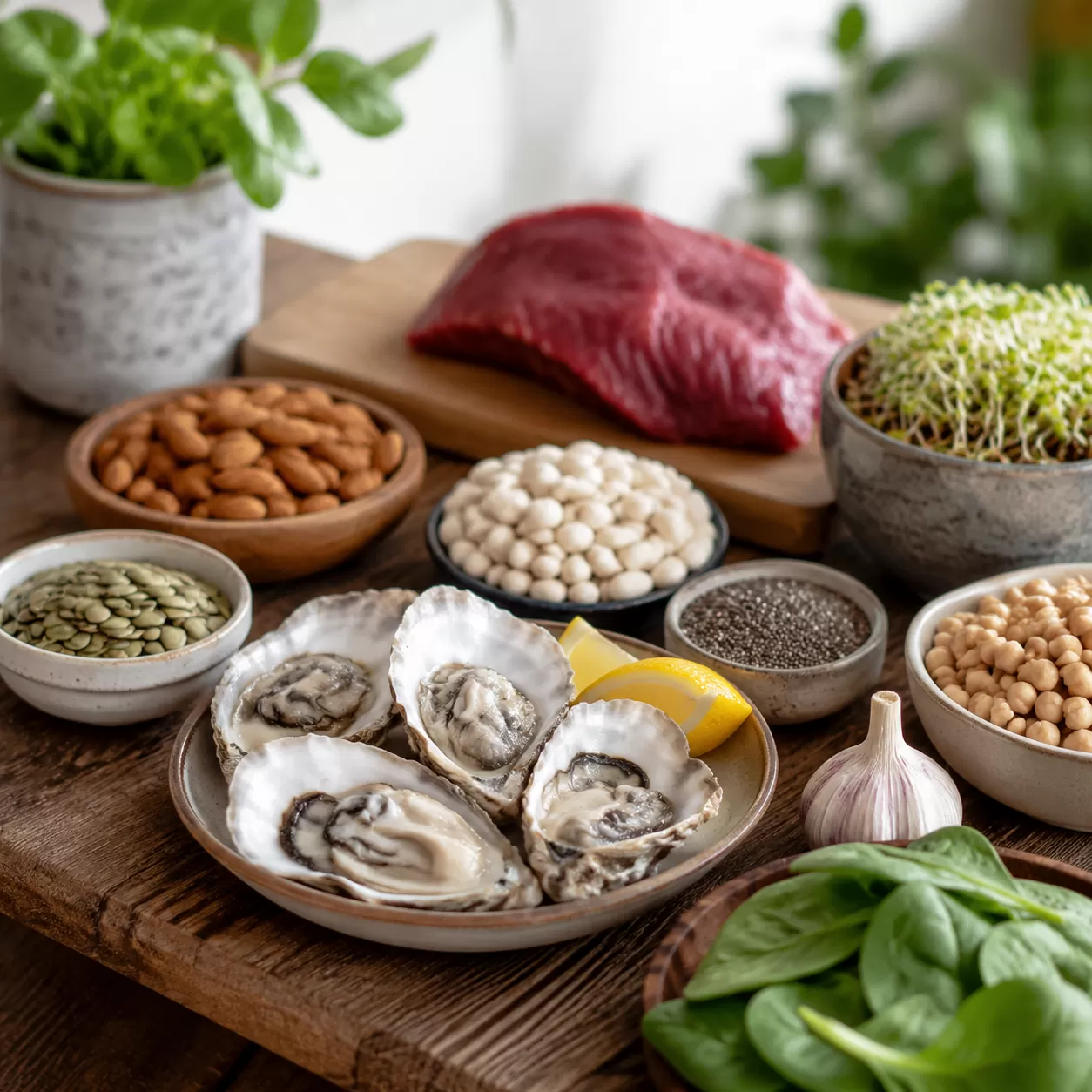
Eating foods high in zinc from plant sources is a great start, but there is a catch. Plant-bound minerals face an uphill battle in your digestive system due to natural survival compounds found in crops.
What are Phytates?
Phytates, or phytic acid, are antioxidant compounds found in the hulls of nuts, seeds, legumes, and whole grains. While they offer some health benefits, they act as "anti-nutrients" when it comes to mineral uptake. Phytates bind tightly to zinc in your intestinal tract, creating an insoluble complex that your body cannot easily split apart. This creates a notable bioavailability gap, meaning you only absorb a fraction of the total zinc listed on the nutrition label.
Because phytates hamper mineral absorption, individuals relying entirely on a plant-based diet often need to consume up to 50% more daily zinc than meat-eaters to hit their baseline requirements. Keeping your gut running efficiently is crucial here; for overall wellness and internal balance, maintaining a clean digestive tract with a targeted kidney cleanse detox repair liquid drops routine can support your body's natural filtration and waste elimination systems.
Preparation Bio-Hacks
You do not have to abandon plant proteins to get your trace minerals. You can easily deactivate phytic acid and unlock locked-up zinc using traditional kitchen preparation methods.
- Soaking: Immerse your beans, lentils, and raw nuts in water for 12 to 24 hours before cooking. This simple step activates resident enzymes that break down phytic acid bonds.
- Sprouting: Allowing seeds, grains, and legumes to germinate triggers active growth, which rapidly depletes phytate levels and dramatically improves the bioavailability of zinc.
- Fermentation: Utilizing sourdough fermentation for bread or eating fermented soy products like tempeh and miso introduces beneficial organic acids that dismantle phytate complexes completely.
- Pairing with Vitamin C: Consuming your zinc-rich plant foods alongside citrus fruits, bell peppers, or broccoli can help counteract some of the inhibitory effects of phytic acid during digestion.
Recognizing the Signs of Imbalance
Balancing your trace mineral levels is a fine art. While focusing on foods high in zinc is an excellent strategy for overall wellness, it is equally important to recognize what happens when your body has too little—or too much—of this essential nutrient.
Zinc Deficiency Symptoms
When your intake falls short, your body sends clear distress signals. Because zinc plays a critical role in cellular renewal and immune defense, a shortage quickly manifests across multiple bodily systems.
- Weakened Immunity: Frequent colds, lingering infections, and a general inability to shake off minor illnesses.
- Slow Wound Healing: Cuts, scrapes, and bruises take an unusually long time to mend.
- Skin and Hair Issues: Unexplained hair thinning, severe dry skin, or sudden acne breakouts.
- Changes in Senses: A noticeable loss of taste or smell, which directly impacts appetite.
- Cognitive Fog: Difficulty concentrating, mental fatigue, and unexpected mood shifts.
Who is Most at Risk?
Certain individuals face a much higher hurdle when it comes to maintaining optimal levels. For instance, children with developing systems or compromised gut health often struggle with proper nutrient absorption. If you are managing your family's wellness, supporting a child's digestive tract with targeted botanicals like our black walnut wormwood liquid for kids can help clear the path for better overall nutrient utilization.
Other high-risk groups include:
- Strict Vegetarians and Vegans: Due to the low bioavailability of zinc in plant foods heavily loaded with phytates.
- People with Gastrointestinal Disorders: Conditions like Crohn’s or celiac disease drastically reduce mineral absorption.
- Pregnant or Lactating Women: The daily biological demand skyrockets to support fetal and infant development.
Zinc Toxicity (The Upper Limit)
More is not always better. Pushing past the daily Recommended Daily Allowance (RDA) through excessive supplementation can trigger zinc toxicity risks.
| Zinc Status | Daily Intake Level (Adults) | Common Effects / Risks |
|---|---|---|
| Optimal Intake | 8 – 11 mg | Robust immunity, sharp cognition, healthy metabolic function. |
| Tolerable Upper Limit | 40 mg | The maximum safe daily ceiling from all food and supplement sources. |
| Acute Toxicity | 150 mg+ | Nausea, vomiting, severe stomach cramps, and headaches. |
| Chronic Toxicity | Long-term high doses | Copper deficiency, suppressed immune function, and microcytic anemia. |
Stick to whole food sources to naturally regulate your intake, and keep a close eye on the total dosage if you use concentrated dietary supplements.
Practical Meal Prep: A Zinc-Optimized Day with q'ankyaq
Getting enough zinc doesn't mean you have to overthink your menu or rely solely on heavy supplements. By centering your meals around foods high in zinc and integrating our premium q'ankyaq blend, you can easily hit your Recommended Daily Allowance (RDA) while enjoying delicious, clean meals. Here is how I structure a highly bioavailable, zinc-rich day.
Breakfast: The Morning Zinc Boost
Start the day by pairing classic plant-based zinc sources with a heavy hit of clean protein to maximize nutrient uptake right out of the gate.
- The Base: 1 cup of thick Greek yogurt or a warm bowl of sprouted oatmeal.
- The Power Upgrade: Stir in 2 tablespoons of q'ankyaq. Our signature blend is packed with pumpkin seeds and hemp hearts, drastically raising the zinc density of your morning bowl.
- The Topping: A handful of sliced almonds and a drizzle of raw honey.
Lunch: High-Protein Zinc Salad
For midday energy, focus on lean animal-based proteins paired with whole grains to keep your metabolism humming and prevent any creeping zinc deficiency symptoms.
- The Protein: 4 ounces of grilled chicken breast or sliced lean turkey.
- The Greens & Grains: A bed of baby spinach mixed with 1/2 cup of cooked quinoa (a fantastic whole grain for trace mineral benefits).
- The Crunch: Toss in 1 tablespoon of q'ankyaq for that perfect texture and an extra layer of highly absorbable minerals.
- The Dressing: Light lemon-tahini vinaigrette (sesame seeds in tahini are excellent foods high in zinc).
Dinner: The Ultimate Mineral Recovery Plate
End your day with a meal optimized for peak absorption. Combining rich seafood or red meat with properly prepared legumes ensures you hit your daily goals effortlessly.
- The Main: 4 ounces of pan-seared sirloin steak or a serving of oysters if you want the absolute gold standard of zinc density.
- The Side: A serving of warm lentils or chickpeas, thoroughly soaked and cooked to lower phytates and boost the bioavailability of zinc.
- The Finish: Dust your side dishes with a final sprinkle of q'ankyaq to round out the flavor profile and lock in your daily nutritional targets.
FAQs About Foods High in Zinc
What food is highest in zinc?
Oysters are the absolute gold standard when looking for foods high in zinc. A single 3-ounce serving of cooked oysters packs around 74 milligrams of zinc, which is over 600% of the Recommended Daily Allowance (RDA) for adults. Other types of shellfish, like crab and lobster, also offer impressive amounts, making seafood the most potent natural source available.
Can I get enough zinc from a plant-based diet?
Yes, you can absolutely meet your daily goals with plant-based zinc sources. High zinc seeds and nuts—like pumpkin seeds, hemp seeds, and cashews—along with legumes, whole grains, and fortified breakfast cereals are great options. Because plant sources are absorbed differently, vegetarians and vegans should aim to consume about 50% more than the standard RDA to ensure their bodies get what they need.
What blocks the absorption of zinc?
The biggest hurdle for bioavailability of zinc in plants is a compound called phytic acid, or phytates. Found naturally in grains, beans, and nuts, phytates bind to minerals and lower absorption. You can easily bypass this issue by soaking, sprouting, or fermenting your grains and legumes before cooking. Additionally, taking high-dose iron supplements at the exact same time as a meal can compete for absorption in your gut.
What are the first signs of zinc deficiency?
Early zinc deficiency symptoms usually show up where cell turnover is highest. You might notice a weakened immune system, leading to frequent colds that hang around too long. Other common warning signs include:
- Slow wound healing and sudden skin breakouts
- A noticeable loss of taste or smell
- Thinning hair or brittle nails
- Unexplained fatigue and brain fog
Related Articles
Related Articles
Related Articles
Explore more in our Energy support collection.
What the regulators say
“The FDA does not approve dietary supplements for safety and effectiveness before they reach the market.”
Reference point: The NIH ODS sets the tolerable upper intake level for zinc at 40 mg per day for adults. (NIH ODS)
For the reference values and safety ceilings cited above, verify against the NIH Office of Dietary Supplements and the U.S. FDA. Neither body endorses any specific brand.
Frequently Asked Questions
What are dietary supplements?
Dietary supplements are products intended to add nutrients to your diet - including vitamins, minerals, herbs, amino acids, and enzymes in forms like gummies, capsules, liquids, or powders. They support wellness but are not a substitute for a balanced diet or medical care.
How do I choose the right supplement?
Identify your goal, then read the Supplement Facts label for form, dosage, and active ingredients. Consider third-party testing, your diet, and any medications. A registered dietitian can help personalize choices.
Related Articles
Related Articles
Related Products
Clinically-formulated q'ankyaq supplements to support your goals.


Oregano Oil with Black Seed Oil Organic Gummies for Kids and Adults with Immune Support


