
What Is Vitamin C Good For Benefits Dosage and Sources
The Core Physiological Roles: What Is Vitamin C Good For?
When we think about what is vitamin c good for, we usually think of a quick glass of orange juice when we feel a cold coming on. But as a water-soluble vitamin, ascorbic acid benefits your body on a much deeper, daily cellular level. Your body cannot produce or store this nutrient, meaning we have to get it through our diet or supplementation every single day to keep our foundational systems running.
Part of the q'ankyaq Gut Health Hub — explore the complete guide.
Free Radical Neutralization & Oxidative Stress
Every day, your body faces cellular stress from pollution, UV rays, and normal metabolic processes. Vitamin C acts as a powerhouse antioxidant, offering elite protection against this damage.
- Free radical neutralization: It donates electrons to unstable molecules, safely neutralizing them before they can harm healthy cells.
- Combating cellular oxidative stress: By keeping free radicals in check, it reduces the chronic stress on your tissues that leads to premature aging and cellular decline.
The Structural Blueprint (Collagen Synthesis)
You cannot build or repair your body without collagen synthesis, and that process completely stalls without adequate Vitamin C. It acts as the essential co-enzyme that knits structural proteins together.
- Skin Elasticity: Keeps skin firm and prevents premature sagging.
- Joint & Bone Strength: Builds the cartilage and bone matrix needed for smooth, pain-free movement.
- Blood Vessel Integrity: Strengthens micro-capillaries, which is why a deficiency historically led to bleeding gums and scurvy prevention failures.
Neurotransmitter and Metabolic Synthesis
Beyond physical structure, Vitamin C directly impacts your brain chemistry and energy levels. It plays a critical role in how you feel, focus, and burn energy throughout the day.
| Synthesized Compound | Primary Function in Your Body |
|---|---|
| Norepinephrine | A critical neurotransmitter that sharpens mental focus and regulates your stress response. |
| Carnitine | A metabolic shuttle that transports fat into your cells' mitochondria to be burned for pure energy. |
| Serotonin | Helps convert tryptophan into the brain chemical responsible for mood stabilization. |
7 Scientifically Proven Health Benefits of Vitamin C
When looking into what is vitamin c good for, the conversation usually goes way beyond just escaping a cold. This water-soluble vitamin is a heavy hitter for daily wellness.
Advanced Immune System Optimization
Vitamin C spikes the production and function of white blood cells. It acts as a shield for these cellular soldiers, protecting them from the very oxidative stress they encounter while fighting off bugs.
Non-Heme Iron Absorption
Plant-based iron is notoriously tough for the human body to absorb. Vitamin C completely transforms this process. By capturing non-heme iron and storing it in a form that your body easily welcomes, it drastically improves nutrient uptake. For parents looking to optimize nutrient absorption in developing teens, pairing dietary changes with targeted options like iron gummies for teen girls can make a massive difference.
The Core Benefits at a Glance
| Benefit | How It Works | Key Impact |
|---|---|---|
| Blood Pressure Management | Relaxes the blood vessels carrying blood from the heart | Helps lower both systolic and diastolic pressure |
| Cardiovascular Risk Reduction | Lowers LDL (bad) cholesterol and blood triglycerides | Supports long-term heart health and artery flexibility |
| Protection Against Cognitive Decline | Reduces inflammation and cellular oxidative stress in the brain | Safeguards memory and thinking pathways as you age |
| Nutrient Regeneration | Recharges spent antioxidants like Vitamin E | Multiplies your body’s overall defense network |
| Accelerated Wound Healing | Speeds up the baseline collagen synthesis required for skin repair | Cuts down recovery time for cuts, scrapes, and bruises |
Debunking the Myths: What Vitamin C Cannot Do
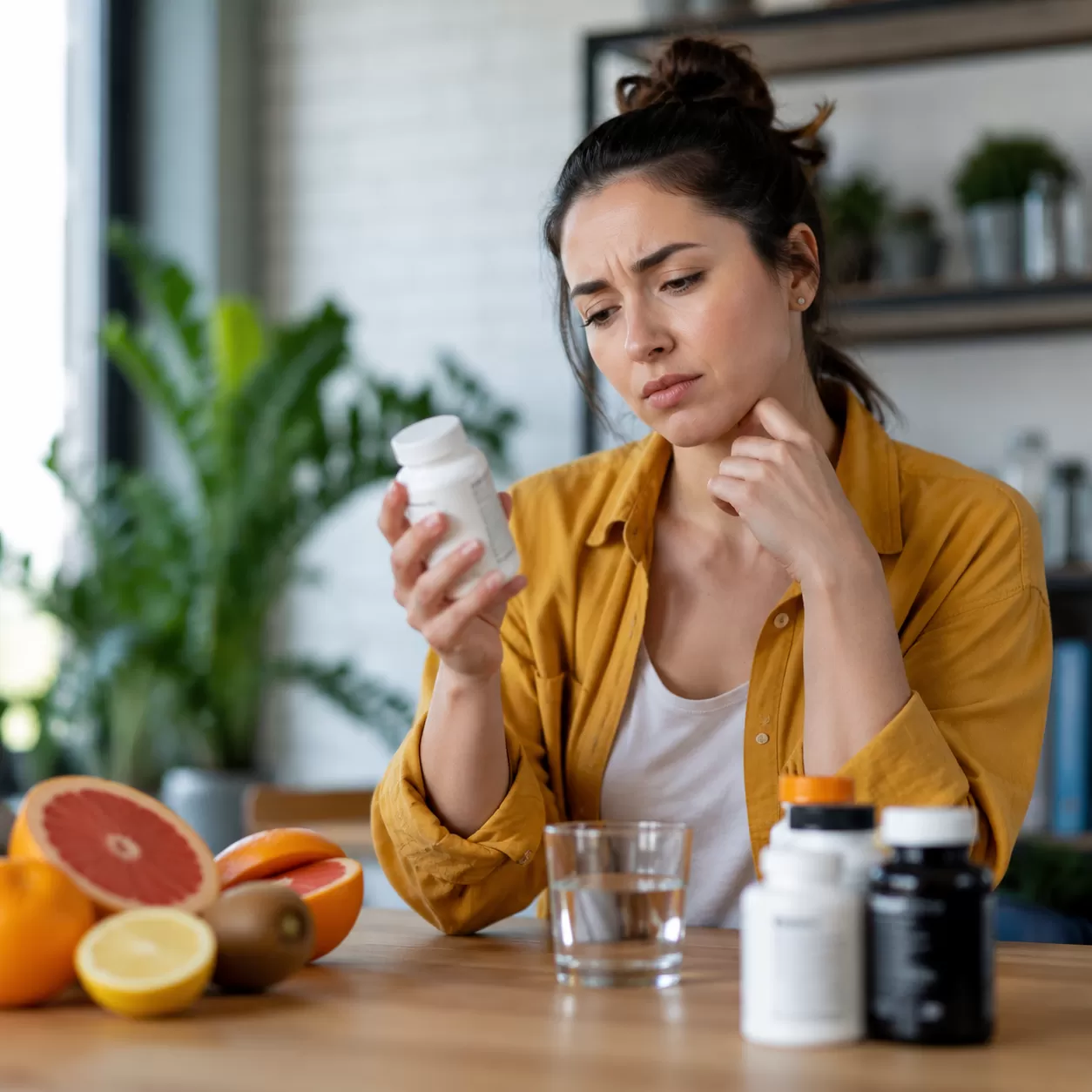
While ascorbic acid benefits are extensive, it is vital to separate clinical facts from marketing hype. Vitamin C is a powerful nutrient, but it is not a magical cure-all, and understanding its limitations is essential for realistic health management.
The Common Cold Fallacy
Many people flock to high-dose supplementation at the first sign of a sniffle, believing it will instantly cure them. Decades of clinical research show that routine Vitamin C intake does not prevent the common cold for the average person. At best, consistent daily usage might slightly shorten the duration of a cold by about 8% to 14% and reduce the severity of symptoms. Taking a massive dose after you already feel sick yields little to no benefit because the body simply flushes out the excess water-soluble vitamins.
The Serious Disease Boundary
There is a dangerous misconception that mega-doses of Vitamin C can independently treat or reverse chronic, severe illnesses like cancer or advanced cardiovascular disease. While its antioxidant properties help combat cellular oxidative stress and protect long-term arterial health, it cannot replace standard medical therapies. For instance, managing systemic issues requires a targeted, multi-faceted approach—much like how proper diet and specialized cholesterol supplements work together to maintain healthy blood vessels. Vitamin C supports the foundation of your cellular health, but it operates within strict biological boundaries and cannot cure complex diseases on its own.
Natural Dietary Sources vs. Supplementation: Getting Your Vitamin C
When looking at what is vitamin c good for, how you get this nutrient into your body matters just as much as how much you take. As a water-soluble vitamin, your body cannot store it, meaning you need a fresh supply every single day.
Whole-Food Powerhouses
Nature provides the absolute best blueprint for nutrient delivery. While citrus fruit nutrients like oranges and grapefruits get all the fame, they are far from your only options. In fact, red bell peppers, strawberries, kiwis, and broccoli boast massive amounts of natural ascorbic acid. Eating these whole foods gives you a complete package of fiber, vitamins, and bioflavonoids that work together to maximize the health benefits.
When Food Isn't Enough
Getting all your nutrients from meals is the ideal path, but modern life often gets in the way. Busy schedules, limited access to fresh produce, or specific health goals can leave gaps in your nutrition. This is exactly when high-quality supplementation becomes a reliable insurance policy. While adults often look toward standard capsules, keeping the whole family protected requires targeted options. For instance, ensuring your children get enough daily nutrients from green vegetables can be a major daily struggle, which is where specialized options like a kids sulforaphane supplement can help round out their daily wellness routine.
The Bioavailability Matrix
The term bioavailability of Vitamin C simply refers to how much of the nutrient your digestive system can actually absorb and utilize. Your body absorbs small doses very efficiently, but absorption rates drop significantly when you take massive amounts all at once.
- Small, frequent doses from food or liquid supplements offer the highest absorption efficiency.
- High-dose supplementation over daily recommendation limits often just ends up being flushed out by your kidneys.
- Natural co-factors found in whole foods help stabilize the vitamin and improve how your cells process it.
Dosage, Safety, and Potential Risks of Vitamin C
While figuring out what is vitamin c good for, understanding how to take it safely is just as important as knowing its benefits. As a water-soluble vitamin, your body doesn't store it, but that doesn't mean you can take unlimited amounts without consequences. Managing your daily intake ensures you get the health perks without stomach upset or complications.
Daily Recommended Allowances (RDA)
The dietary reference intakes (DRI) vary based on age, biological sex, and lifestyle stages. For most healthy adults, the daily recommendation limits are straightforward:
- Adult Men: 90 mg per day
- Adult Women: 75 mg per day
- Pregnant Individuals: 85 mg per day
- Breastfeeding Individuals: 120 mg per day
- Smokers: Need an additional 35 mg daily to combat the increased cellular oxidative stress caused by nicotine.
The Tolerable Upper Intake Level (UL)
To avoid adverse side effects from high-dose supplementation, you should stay below the strict upper limit. For adults, the Tolerable Upper Intake Level (UL) is 2,000 mg per day.
Exceeding this 2,000 mg ceiling typically won't cause severe poisoning because your body flushes out the excess, but it frequently triggers gastrointestinal discomfort. Splitting up your doses can help keep your digestion smooth if your body is sensitive. While focusing on internal wellness and kidney health, keeping tabs on your total daily supplement intake prevents your organs from working overtime; for those looking to support their system comprehensively, a specialized kidney cleanse detox repair can assist in maintaining overall fluid balance and metabolic waste elimination.
| Daily Dose Range | Potential Impact on the Body |
|---|---|
| 75 mg – 90 mg | Meets basic biological needs and ensures scurvy prevention. |
| 100 mg – 500 mg | Optimal range for general antioxidant properties and immune system support. |
| 2,000 mg+ (Above UL) | Risks causing diarrhea, abdominal cramps, nausea, and kidney stones in prone individuals. |
Critical Drug Interactions (The Safety Warning)
Ascorbic acid benefits your body in many ways, but it can alter how certain prescription medicines work. You should talk to your doctor before starting large doses if you take any of the following:
- Statins and Cholesterol Medications: High-dose antioxidants might interfere with how certain cholesterol drugs protect your heart.
- Blood Thinners (Warfarin): Large amounts of ascorbic acid can reduce the effectiveness of blood-thinning treatments.
- Chemotherapy Treatments: Antioxidants can potentially alter the cellular breakdown of tumor-targeting therapies.
- Estrogen/Hormone Replacements: Vitamin C can increase estrogen absorption, causing unexpected spikes in hormone levels.
Related Articles
Related Articles
Related Articles
What the regulators say
“Dietary supplements can help you improve or maintain your overall health, and some may help you meet your daily nutrient needs — but taking some can also pose risks, especially if you have certain medical conditions or take certain medications.”
Reference point: Iron deficiency is among the most common nutrient deficiencies worldwide, per the NIH ODS. (NIH ODS)
For the reference values and safety ceilings cited above, verify against the NIH Office of Dietary Supplements and the U.S. FDA. Neither body endorses any specific brand.
Frequently Asked Questions
Are gummy supplements as effective as capsules?
Gummies can deliver the same active ingredients when formulated correctly, though they may have added sweeteners and lower doses per serving. Choose by the label's stated potency, not the format alone.
Can supplements cure or treat diseases?
No. By law, dietary supplements cannot claim to diagnose, treat, cure, or prevent any disease. They are for general wellness support. Consult a healthcare provider for medical conditions.
Explore more in our Best Seller collection.
Related Articles
Related Articles
Related Products
Clinically-formulated q'ankyaq supplements to support your goals.


Oregano Oil with Black Seed Oil Organic Gummies for Kids and Adults with Immune Support


