
Which Is Healthier Broccoli or Brussels Sprouts Qankyaq Guide
Which Is Healthier: Broccoli or Brussels Sprouts?
When you are trying to clean up your diet, cruciferous vegetables are always at the top of the shopping list. But if you have to choose between the two heavyweights of the brassica family, which is healthier broccoli or brussel sprouts? Both pack a massive punch when it comes to density, but a close look at their macronutrient profile reveals distinct advantages depending on your specific wellness goals.
Part of the q'ankyaq Gut Health Hub — explore the complete guide.
Head-to-Head Nutritional Breakdown (Per 1-Cup Serving)
To settle the debate, we need to look at what you are actually getting on your plate. Here is how 1 cup of raw broccoli compares directly to 1 cup of raw Brussels sprouts.
| Nutrient | Raw Broccoli (1 Cup) | Raw Brussels Sprouts (1 Cup) | Winner |
|---|---|---|---|
| Calories | 31 kcal | 38 kcal | Broccoli (Lower Calorie) |
| Protein | 2.5 g | 3.0 g | Brussels Sprouts (Higher Protein) |
| Net Carbs | 3.6 g | 4.7 g | Broccoli (Lower Carb/Keto) |
| Total Fiber | 2.4 g | 3.3 g | Brussels Sprouts (More Fiber) |
| Vitamin C | 81 mg (90% DV) | 75 mg (83% DV) | Broccoli |
| Vitamin K | 93 mcg (78% DV) | 156 mcg (130% DV) | Brussels Sprouts |
The Calorie and Macro Matchup
If your primary focus is weight loss or maintaining a strict low-carb Keto lifestyle, broccoli takes the win. It has lower calorie density and fewer net carbs per serving. However, if you are looking to boost your plant-based protein intake for muscle building, Brussels sprouts pull ahead with a surprising 3 grams of protein per cup.
Fiber Showdown for Gut Health
When it comes to dietary fiber comparison, Brussels sprouts are the clear champion. They offer 3.3 grams of total fiber per cup compared to broccoli's 2.4 grams. Crucially, Brussels sprouts are loaded with soluble fiber, which forms a gel-like substance in your gut. This feeds your beneficial gut bacteria, slows down digestion, and helps stabilize your blood sugar levels.
Micronutrient Face-Off
Both of these green giants excel in micronutrient density, but they distribute their wins across different vitamins:
- Vitamin C: Broccoli wins this round, providing nearly your entire daily requirement in a single cup to support immune health and collagen production.
- Vitamin K intake: Brussels sprouts crush the competition here, delivering a massive 130% of your daily value, which is essential for bone density and proper blood clotting.
- Calcium and Iron: The two vegetables run virtually neck-and-neck here, offering minor but highly bioavailable amounts of these essential minerals to support bone structure and oxygen transport.
The Specific Health Benefits of Broccoli
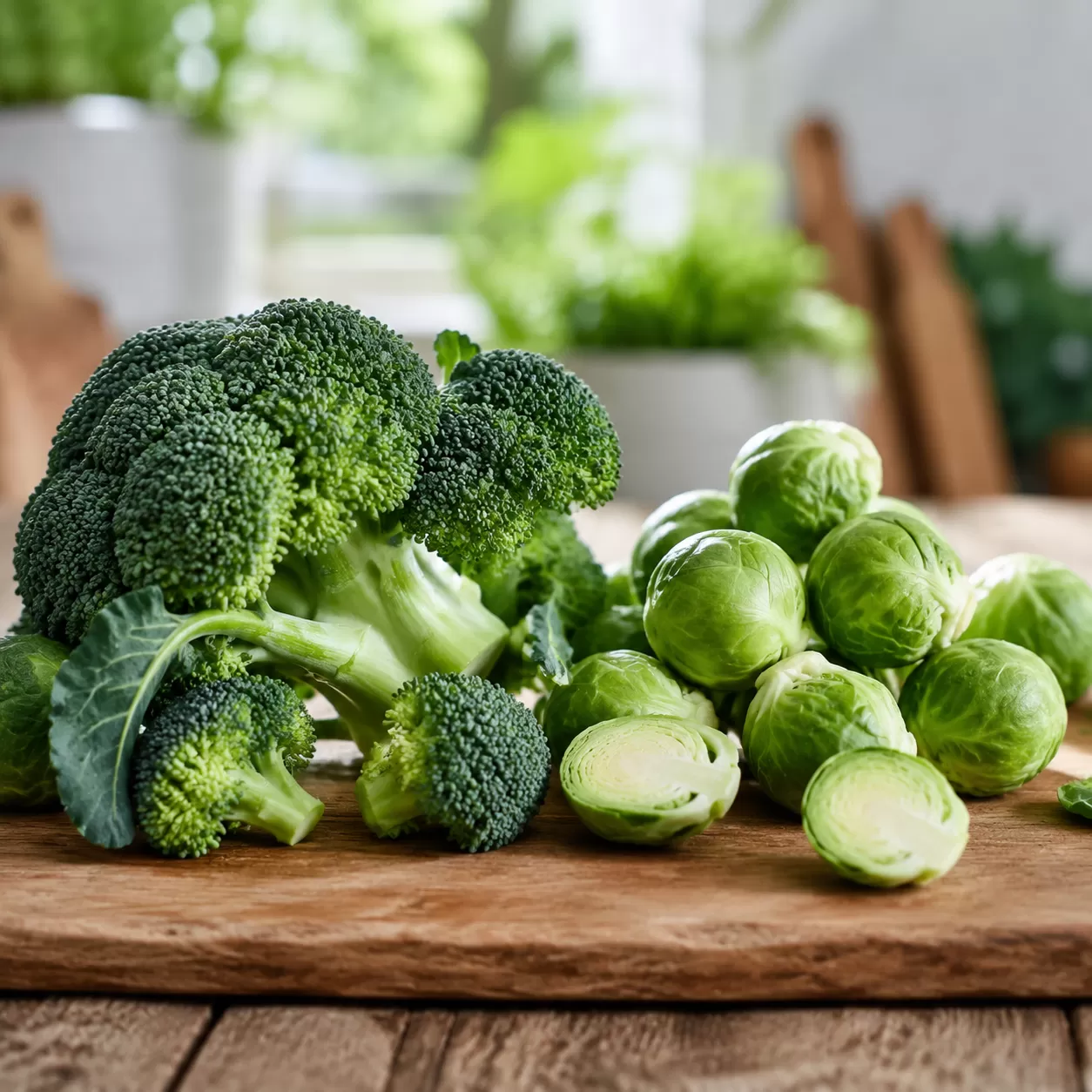
Broccoli is a heavy hitter in the world of cruciferous vegetables, delivering targeted advantages for cellular defense, heart health, and fitness goals.
The Power of Sulforaphane
The standout feature of broccoli is its high sulforaphane content. When chopped or chewed, broccoli releases this potent sulfur-rich compound, which triggers your body's natural cellular detoxification pathways. Sulforaphane acts as a fierce shield against oxidative stress, neutralizes free radicals, and serves as one of nature's premier cancer-fighting compounds. For parents looking to give their kids these identical cellular benefits without the dinner-table battle, utilizing a targeted kids sulforaphane supplement broccoli sprout extract liquid is an easy, highly concentrated alternative.
Cardiovascular Support
Broccoli is an excellent asset for arterial wellness and long-term heart health.
- Lowers LDL Cholesterol: The soluble dietary fiber in broccoli binds with bile acids in the digestive tract, making it easier for your body to excrete cholesterol and lower bad LDL levels.
- Supports Blood Vessels: Sulforaphane activates a specific protective protein that prevents chronic inflammation in blood vessels, reducing the risk of arterial plaque buildup.
- Optimizes Lipid Profiles: Regular intake helps maintain balanced cholesterol levels, keeping your cardiovascular system running cleanly.
To actively manage your heart health alongside a clean diet, incorporating targeted cholesterol supplements gummies for adults can provide the extra daily support your arteries need to thrive.
Versatility in Diets
Broccoli is a legendary staple for both weight loss and muscle building due to its exceptional macronutrient profile.
| Fitness Goal | Why Broccoli Works | Key Nutritional Benefit |
|---|---|---|
| Weight Loss | Extremely low calorie density allows you to eat large volumes, keeping you full without breaking your calorie budget. | High water and fiber content |
| Muscle Building | Provides essential micronutrients and clean plant proteins that support muscle recovery without adding unwanted fat. | High micronutrient density |
| Low-Carb / Keto | Fits seamlessly into strict carb limits because most of its carbohydrates come directly from indigestible fiber. | Low net carbs |
Specific Health Benefits of Brussels Sprouts
When looking at which is healthier broccoli or brussel sprouts, Brussels sprouts bring some serious, heavy-hitting therapeutic properties to the table. These mini-cabbages are packed with specific protective compounds that target inflammation, metabolic health, and brain function.
The Power of Kaempferol
Brussels sprouts are an exceptional source of kaempferol, a flagship anti-inflammatory antioxidant. This specific compound works at a cellular level to neutralize free radicals, reduce oxidative stress, and protect your tissues from chronic inflammation.
Blood Sugar Regulation
For anyone tracking their metabolic health, Brussels sprouts are an absolute powerhouse. They help optimize insulin sensitivity through a dual-action approach:
- High Dietary Fiber: Slows down digestion, preventing sudden spikes in blood glucose levels.
- Alpha-Lipoic Acid (ALA): This antioxidant has been widely studied for its ability to help insulin work more efficiently and support healthy nerve function.
Brain and Cognitive Health
The dense micronutrient profile of these brassicas offers excellent neuroprotective benefits. High concentrations of Vitamin K and folate support brain cell membrane integrity and cognitive longevity.
| Key Compound | Primary Health Benefit | Target System |
|---|---|---|
| Kaempferol | Reduces chronic inflammation & cellular damage | Cellular Health |
| Alpha-Lipoic Acid | Enhances insulin sensitivity & glucose control | Metabolic System |
| Vitamin K & Folate | Protects neurons & supports cognitive sharpness | Nervous System |
While optimizing your own diet with these cruciferous vegetables is essential for long-term wellness, ensuring your kids get the right foundational nutrients is just as vital. For growing bodies, pairing a clean diet with specialized support like kids omega 3 gummies can make a massive difference in their daily cognitive development and overall focus.
Side-by-Side Comparison Matrix
When deciding which is healthier, broccoli or Brussels sprouts, the answer often depends on your specific wellness objectives. Both of these cruciferous vegetables offer an incredible macronutrient profile, but they excel in slightly different areas.
The table below breaks down how they stack up directly against each other per cup to help you make the best choice for your diet.
| Health Goal | Winner | Why It Wins |
|---|---|---|
| Weight Loss | Broccoli | Lower calorie density and fewer net carbs per serving. |
| Bodybuilding | Brussels Sprouts | Higher protein content per cup to support muscle repair. |
| Gut Health | Brussels Sprouts | Superior dietary fiber comparison, specifically soluble fiber. |
| Keto Diet | Broccoli | Fits perfectly into low-carb vegetables tracking with minimal impact. |
Goal-Based Selection Guide
Best for Weight Loss and Keto
If you are tracking macros or staying in ketosis, broccoli is the clear winner. It provides massive volume and exceptional nutritional value without loading you up on carbs. It allows you to fill your plate, stay full, and keep your calorie count low.
Best for Bodybuilding and Gut Health
For those looking to pack on lean mass or optimize digestion, Brussels sprouts take the crown. They deliver more protein than broccoli and are loaded with the essential fiber needed for robust gut health support.
Pro Tip: If your fitness goals require strict metabolic or hormonal tracking, supporting your system with a targeted thyroid supplement liquid drops for women can help keep your energy levels and metabolism firing efficiently alongside these nutrient-dense brassicas.
Downside & Digestive Considerations: Which is Healthier Broccoli or Brussel Sprouts?
While choosing between these two nutritional powerhouses is a win-win for your health, both cruciferous vegetables come with a few digestive quirks. Understanding how your body processes them is key to enjoying their benefits without the discomfort.
The Gas and Bloating Factor
If you feel inflated after eating broccoli or Brussels sprouts, you aren't alone. Both vegetables contain raffinose, a complex carbohydrate that human enzymes can't fully break down in the small intestine. When raffinose reaches the large intestine, gut bacteria ferment it, producing gas and bloating.
Because Brussels sprouts are more tightly packed and chemically dense, they often cause slightly more GI distress than broccoli. To mitigate this, start with smaller portions and gradually increase your intake to let your gut microbiome adapt. Incorporating targeted herbal supplements, like taking oregano oil with black seed oil organic gummies for kids and adults, can also help support a balanced, comfortable digestive tract.
Thyroid Considerations and Goitrogens
Another common concern when weighing which is healthier broccoli or brussel sprouts is their goitrogen content. Goitrogens are naturally occurring compounds that can interfere with iodine uptake in the thyroid when consumed raw in massive quantities.
- The Real Risk: For the average person, the goitrogen levels in these brassicas are far too low to cause hypothyroidism or thyroid dysfunction.
- The Easy Fix: Cooking completely deactivates most of these compounds. Steaming your broccoli or roasting your Brussels sprouts eliminates the thyroid concern entirely while making the veggie much easier on your stomach.
Maximize Your Nutrients: The Culinary Guide
How you prepare your cruciferous vegetables completely changes their nutritional value. Slathering them in water or burning them to a crisp can destroy the very compounds you are trying to eat them for.
How Cooking Methods Alter Nutrients
Boiling is the absolute worst way to cook these brassicas. When you boil broccoli or Brussels sprouts, water-soluble vitamins like Vitamin C and B-complex vitamins leach directly into the water, which then gets poured down the drain. Boiling also deactivates myrosinase, a crucial enzyme required to form the highly valued cancer-fighting compounds like sulforaphane. If you want to get the most out of your greens, keep them out of the boiling pot.
The Right Way to Cook Broccoli
To preserve the heat-sensitive Vitamin C and active enzymes in broccoli, stick to quick, low-moisture methods.
- Steaming: Steam your broccoli for 3 to 4 minutes until it turns vibrant green but remains crisp. This preserves up to 90% of its vitamin content.
- Light Stir-Frying: Toss broccoli in a hot pan with a splash of avocado oil for a few minutes.
If you are focusing on healthy lifestyle goals, maintaining a high micronutrient density supports muscle recovery and overall metabolic health. For targeted fitness support, pairing a clean diet with specialized options like HMB and L-leucine gummies with muscle energy can help maintain lean muscle mass alongside your nutrient-dense meals.
The Right Way to Cook Brussels Sprouts
Brussels sprouts taste best and provide the highest antioxidant availability when exposed to dry, high heat. This breaks down their tough cellular walls without washing away their nutrients.
- Roasting: Slice them in half, toss with olive oil, and roast at 400°F for 20 minutes until the edges are charred and crispy.
- Pan-Searing: Sear them flat-side down in a hot skillet with healthy fats like grass-fed butter or coconut oil.
Cooking Brussels sprouts with healthy fats is essential because their high Vitamin K content is fat-soluble, meaning your body requires dietary fat to properly absorb it.
Frequently Asked Questions (FAQs)
Which vegetable has more protein, broccoli or Brussels sprouts?
When looking at the macronutrient profile of these cruciferous vegetables, Brussels sprouts take the win. A one-cup serving of cooked Brussels sprouts delivers about 4 grams of protein, while the same amount of broccoli offers around 3.7 grams. While the difference is minor, Brussels sprouts provide a slightly higher micronutrient density and protein boost per bite.
Are Brussels sprouts or broccoli better for a low-carb Keto diet?
Broccoli is the better option for a strict low-carb or Keto lifestyle due to its lower calorie density and carb count. One cup of broccoli contains roughly 6 grams of total carbs and 2.4 grams of dietary fiber, leaving you with just 3.6 grams of net carbs. Brussels sprouts are higher in both sugar and fiber, yielding about 4.5 grams of net carbs per cup. Both fit into a healthy diet, but broccoli is easier to track on low-carb limits.
How do you stop broccoli and Brussels sprouts from causing gas?
The best way to cook brassicas to prevent bloating is to avoid eating them raw. Cooking breaks down the complex sugars and tough fibers that cause GI distress. Steam, roast, or sauté them until tender, and consider adding digestive aids like ginger, fennel, or a splash of apple cider vinegar. Regular consumption also helps your gut health support systems adapt over time, minimizing gas.
Does boiling broccoli destroy its nutritional value?
Yes, boiling significantly reduces the nutritional value of broccoli. Water-soluble vitamins, particularly Vitamin C, and valuable cancer-fighting compounds like glucosinolates leach out into the boiling water, which usually gets poured down the drain. To preserve the potent sulforaphane content and anti-inflammatory antioxidants, opt for quick steaming or a light stir-fry instead.
Related Articles
Related Articles
Related Articles
What the regulators say
“The FDA does not approve dietary supplements for safety and effectiveness before they reach the market.”
Reference point: For adults, the NIH ODS lists 4,000 IU (100 mcg) per day as the upper limit for vitamin D. (NIH ODS)
For the reference values and safety ceilings cited above, verify against the NIH Office of Dietary Supplements and the U.S. FDA. Neither body endorses any specific brand.
Frequently Asked Questions
Can supplements cure or treat diseases?
No. By law, dietary supplements cannot claim to diagnose, treat, cure, or prevent any disease. They are for general wellness support. Consult a healthcare provider for medical conditions.
Are gummy supplements as effective as capsules?
Gummies can deliver the same active ingredients when formulated correctly, though they may have added sweeteners and lower doses per serving. Choose by the label's stated potency, not the format alone.
Explore more in our Best Seller collection.
Related Articles
Related Articles
Related Products
Clinically-formulated q'ankyaq supplements to support your goals.


Oregano Oil with Black Seed Oil Organic Gummies for Kids and Adults with Immune Support


