
What Can I Eat to Boost My Appetite 12 Natural Remedies
Why Has Your Appetite Faded?
When you lose your desire to eat, it can be incredibly frustrating. You know your body needs fuel, but the thought of a full plate makes you turn away. To figure out what can i eat to boost my appetite, we first need to understand exactly why your hunger signals have gone quiet.
Part of the q'ankyaq Gut Health Hub — explore the complete guide.
Several common factors can temporarily shut down your drive to eat.
Psychological Triggers
Your brain and your gut are constantly talking to each other. When your mental health takes a hit, your digestive tract is often the first to react.
- Stress and Anxiety: High stress triggers the release of cortisol and adrenaline, which can actively slow down your digestion and mimic a "fight or flight" response that suppresses hunger.
- Low Mood and Burnout: Depression and emotional exhaustion often blunt your sensory perception, making food taste bland or unappealing.
Physical & Medical Factors
Sometimes the root cause is purely biological. Your body might be directing its energy away from digestion to deal with other internal stressors.
- Underlying Illness: Even a mild viral infection or a cold can temporarily alter your sense of taste and smell.
- Medication Side Effects: Many common prescriptions can cause mild nausea, dry mouth, or a metallic taste that ruins the enjoyment of a meal.
- Vitamin Deficiencies: Low levels of key nutrients, particularly zinc and vitamin B12, are clinically proven to diminish your taste buds and lower your overall drive to eat.
The Vicious Cycle
The biggest hurdle to overcome is the physical loop of low consumption.
The Low Appetite Loop: When you stop eating, your stomach naturally shrinks and produces less ghrelin (the primary hunger hormone). The less food you take in, the less hunger your body signals, making it harder and harder to break the pattern without a deliberate strategy.
What Can I Eat to Boost My Appetite? The Top Hunger-Triggering Foods
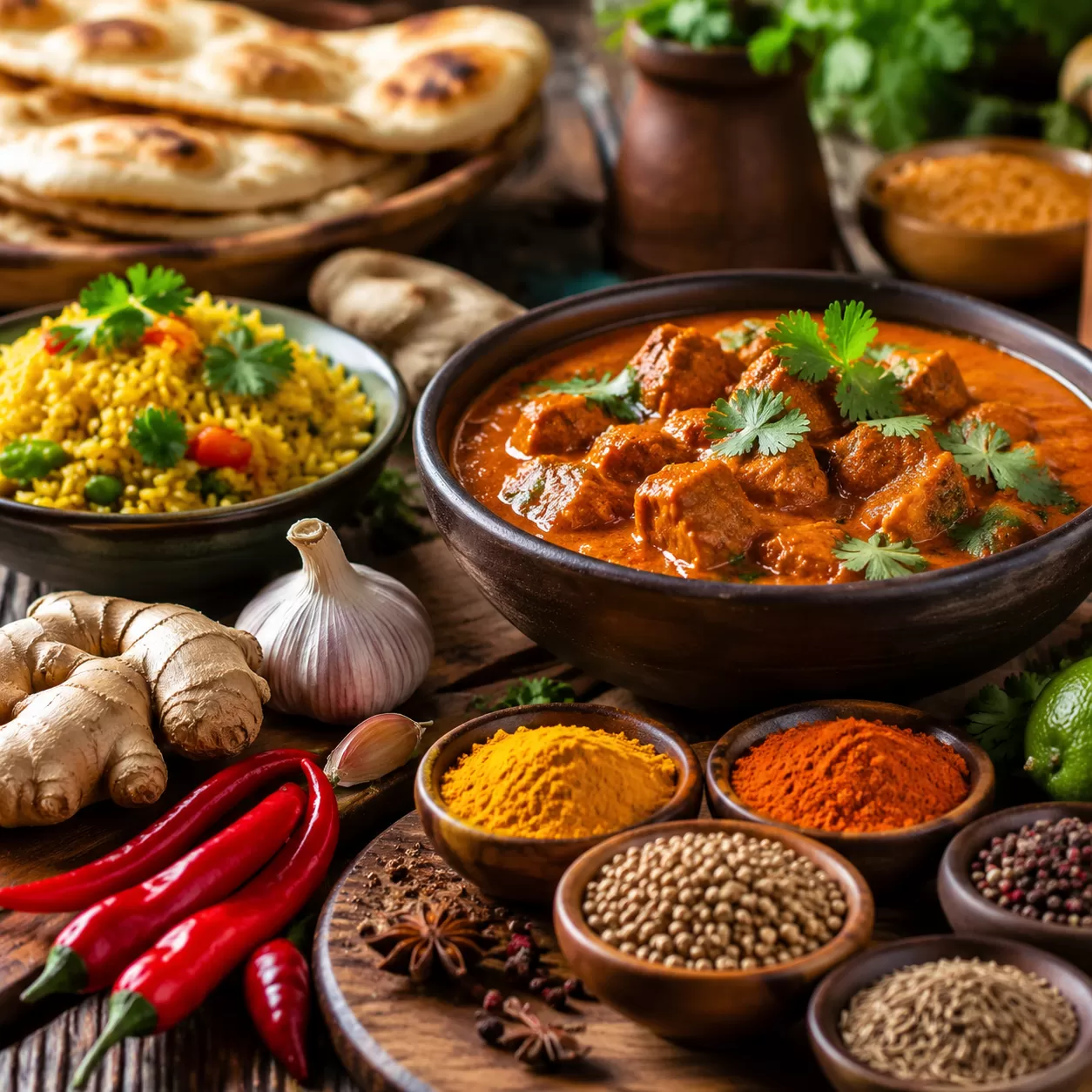
When you have no desire to eat, forcing down a massive plate of bland food is a losing battle. Instead, you need to strategically choose foods that trigger hunger and actively stimulate your digestive system. By focusing on specific flavor profiles, herbs, and textures, you can jumpstart your standard digestive cues and make eating feel less like a chore.
A. Flavor Amplifiers and Digestive Spices
The right spices do more than just make food taste better; they physically prime your body for digestion. Warm, aromatic spices stimulate the production of salivary enzymes and gastric juices, which naturally creates a sensation of hunger.
- Ginger and Turmeric: These roots accelerate gastric emptying, meaning they help move food out of your stomach faster so you actually feel ready to eat again.
- Garlic and Onions: Rich in umami, these foundational ingredients trigger salivary glands and instantly make meals more appealing.
- Cayenne and Black Pepper: Mild heat stimulates the stomach lining and boosts metabolism, waking up a sluggish appetite.
If you are trying to help your little ones overcome a stubborn lack of interest in meals, incorporating gentle, kid-friendly flavors alongside targeted supplements like appetite booster gummies for kids can be a game-changer for restoring their natural drive to eat.
B. Bitter Foods and Herbs (The Traditional Digestive Starters)
For centuries, bitter herbs for digestion have been used as natural appetite stimulants. When your tongue tastes something bitter, it sends an immediate neurological signal to your vagus nerve. This "bitter reflex" releases the hormone gastrin, which revs up stomach acid and preps your GI tract for incoming food.
| Bitter Food/Herb | How It Works | How to Eat It |
|---|---|---|
| Arugula & Watercress | Triggers instant saliva and bile production | Eat a small handful as a pre-meal salad |
| Apple Cider Vinegar | Mimics stomach acid to kickstart digestion | Mix 1 tablespoon in warm water 15 minutes before eating |
| Dandelion Greens | Stimulates liver function and hunger hormones | Steep as a warm tea or mix into mixed greens |
C. High-Reward, Easily Palatable Comfort Foods
When your appetite is exceptionally low, ignore strict diet rules and focus on high-reward, easily digestible comfort foods. Your brain needs to associate eating with pleasure, not stress.
Opt for foods that require minimal chewing and slide down easily. Think of smooth textures like mashed potatoes with real butter, savory chicken noodle soup, or mac and cheese. Cold, refreshing options like fruit sorbets or chilled yogurt parfaits also bypass the intense food aromas that sometimes cause nausea or food aversion when your stomach is empty.
Smart Food Fortification: Maximizing Every Single Bite
When you have a low appetite, forcing yourself to eat massive portions doesn't work. Instead, the goal is to make every single mouthful count. By using smart meal fortification strategies, you can significantly increase your daily energy intake without feeling overly full or bloated.
The "Volume vs. Density" Strategy
When figuring out what can i eat to boost my appetite and gain weight, the secret lies in choosing density over volume. Large plates of low-calorie foods fill up your stomach quickly but don't provide enough energy.
- Low-Density (Avoid when appetite is low): Massive salads, watery soups, and raw vegetables.
- High-Density (Focus on these): Nut butters, cheeses, eggs, and healthy oils.
By shifting your focus to calorie-dense foods for weight gain, you can consume the exact same physical volume of food while doubling or tripling the total calories.
Calorie-Dense Additions That Don’t Add Bulk
The easiest way to sneak extra nutrition into your diet is by mixing invisible, high-calorie ingredients into the foods you are already eating. These additions won't alter the size of your meal, making them perfect loss of appetite remedies for anyone struggling to finish a plate.
| Base Food | Fortification Add-In | Benefit |
|---|---|---|
| Oatmeal / Porridge | 2 tbsp Peanut or Almond Butter | Adds healthy fats and protein |
| Mashed Potatoes | Heavy Cream & Melted Butter | Boosts calories and improves texture |
| Soups & Stews | Olive Oil or Heavy Cream | Increases density without adding bulk |
| Scrambled Eggs | Grated Cheddar & Whole Milk | Maximizes nutrients in a small serving |
Using these simple nutrient-dense snacks and mix-ins allows you to outsmart a low appetite, ensuring your body gets the fuel it needs even on days when eating feels like a chore.
Liquid Nutrition: The Ultimate Low-Appetite Cheat Code
When chewing feels like a chore, drinking your calories is the fastest way to get vital nutrients into your system. Liquid nutrition bypasses the psychological barrier of facing a heavy plate, making it an essential strategy for anyone wondering what can i eat to boost my appetite.
Why Liquids Work
Liquids leave the stomach much faster than solid foods, which prevents you from feeling uncomfortably full for hours. When you struggle with a low appetite, a beverage doesn't trigger the same immediate fullness cues as a solid meal. This allows you to sneak in essential vitamins, healthy fats, and calories without feeling bloated or weighed down. It is an efficient, stress-free way to keep your energy up while your hunger cues reset.
Designing the Perfect High-Protein Smoothie
To combat a fading appetite, every sip needs to pack a punch. A standard fruit blend won't cut it—you need high-protein smoothies for small appetites that blend macronutrients with easy digestion. Use this quick blueprint to build yours:
| Liquid Base | Protein Source | Healthy Fats | Flavor & Digestion Boosters |
|---|---|---|---|
|
Milk (Dairy or Oat) Coconut water * Bone broth (for savory blends) |
Whey or plant protein powder Greek yogurt * Silken tofu |
Peanut or almond butter Avocado * Chia or flax seeds |
Honey or maple syrup Cocoa powder * Berries or bananas |
For an extra wellness boost, especially if overall sluggishness is impacting your daily routine, you can naturally integrate targeted liquid supplements. Adding a few drops of a high-quality thyroid supplement liquid drops for women into your morning routine can help support your overall metabolic health and energy levels, making it easier to stay on top of your nutrition.
The Fluid Timing Rule
While liquids are excellent for delivery, when you drink them matters immensely. Never chug a large glass of water or juice right before or during a meal. Drinking too much fluid with solid food dilutes your stomach acids and expands your stomach, creating a false sense of fullness. To maximize your hunger, stop drinking all liquids 30 minutes before you eat, and wait at least 30 minutes after your meal to resume drinking. This simple boundary keeps your stomach primed and ready for solid nutrients.
Behavioral Hacks to Trick Your Brain into Feeling Hungry
When your natural appetite fades, waiting for your stomach to growl doesn't work. Instead, you have to use targeted behavioral strategies to outsmart your brain and jumpstart your desire to eat.
Eat by the Clock, Not the Stomach
When you have a low appetite, your body's internal hunger signals are essentially offline. Don't wait for them to turn back on. Instead, treat eating like an appointment. Set an alarm every two to three hours for small meals or nutrient-dense snacks. Consistency trains your brain and digestive system to expect food at specific intervals, which gradually helps how to increase hunger naturally.
The Power of Presentation
We eat with our eyes first. A massive plate piled high with food can feel overwhelming and instantly shut down your appetite.
- Use larger plates for small portions: A small meal on a large plate tricks the brain into thinking the portion is light and manageable.
- Add vibrant colors: Garnish your food with fresh herbs, citrus slices, or brightly colored berries to make it look visually appealing and crave-worthy.
Setting the Ambiance
Your eating environment directly impacts your nervous system. If you are stressed, rushing, or distracted by a screen, your body stays in "fight or flight" mode, which actively suppresses digestion.
- Create a relaxing space: Dim the harsh lights, play soft music, and sit at a clean table.
- Socialize while eating: Dining with friends or family shifts the focus away from the chore of chewing and turns the meal into a pleasant, social ritual.
Metabolic Awakening
Physical stillness keeps your metabolism asleep. Incorporating gentle exercise to boost metabolism is one of the quickest ways to spark a stagnant appetite. A brief, 10-to-15-minute walk around the block before a meal burns just enough energy to signal your brain that it needs fuel, effectively acting as one of the simplest natural appetite stimulants.
FAQs About What You Can Eat to Boost Your Appetite
What causes sudden loss of appetite?
A sudden drop in hunger usually stems from a mix of physical and emotional shifts. Stress, anxiety, and routine changes instantly signal your brain to slow down digestion. On the physical side, viral bugs, hormonal shifts, sluggish digestion, or unaddressed gut imbalances can turn off your desire to eat. When your digestive tract feels heavy or out of sync, your body naturally suppresses hunger cues to protect itself. Finding high-quality loss of appetite remedies that use natural extracts can help clear out digestive sluggishness and reset your system.
How to increase hunger naturally without pills?
You can stimulate your desire to eat by changing how and when you approach meals. Instead of forcing three massive meals, trick your body by eating five to six small, nutrient-dense snacks throughout the day. Incorporate bitter herbs, warm ginger tea, or citrus fruits 15 minutes before eating to kickstart your stomach acid and digestive enzymes. Light movement, like a short 10-minute walk, also wakes up your metabolism and forces your body to demand fuel.
What are some loss of appetite remedies that work fast?
- Sip your calories: Smoothies, bone broths, and juices slide down easily without causing premature fullness.
- Lean on heavy spices: Garlic, black pepper, and organic oregano wake up dormant taste buds and trigger salivation.
- Targeted gut support: Using concentrated herbal support like an oregano oil blend helps balance your microbiome, reducing the bloating and discomfort that kills your appetite in the first place.
Which calorie-dense foods for weight gain are easiest to eat?
When eating feels like a chore, you need foods that pack maximum energy into minimal volume. Focus on smooth textures that require very little chewing and digest quickly.
| Food Category | Best Examples | Why They Work |
|---|---|---|
| Healthy Fats | Nut butters, avocado, olive oil | Double the calories of carbs or protein per gram. |
| Liquid Bases | Full-fat Greek yogurt, coconut milk | Easy to swallow, rich in nutrients, zero chewing required. |
| Quick Carbs | Honey, ripe bananas, dried fruits | Fast-digesting sugars that spike hunger signals quickly. |
Related Articles
Related Articles
Related Articles
What the regulators say
“The FDA does not approve dietary supplements for safety and effectiveness before they reach the market.”
Reference point: For adults, the NIH ODS lists 4,000 IU (100 mcg) per day as the upper limit for vitamin D. (NIH ODS)
For the reference values and safety ceilings cited above, verify against the NIH Office of Dietary Supplements and the U.S. FDA. Neither body endorses any specific brand.
Frequently Asked Questions
What are dietary supplements?
Dietary supplements are products intended to add nutrients to your diet - including vitamins, minerals, herbs, amino acids, and enzymes in forms like gummies, capsules, liquids, or powders. They support wellness but are not a substitute for a balanced diet or medical care.
How do I choose the right supplement?
Identify your goal, then read the Supplement Facts label for form, dosage, and active ingredients. Consider third-party testing, your diet, and any medications. A registered dietitian can help personalize choices.
Explore more in our Best Seller collection.
Related Articles
Related Articles
Related Products
Clinically-formulated q'ankyaq supplements to support your goals.


Oregano Oil with Black Seed Oil Organic Gummies for Kids and Adults with Immune Support


