
Vitamin to Boost Appetite Top Vitamins and Natural Tips
Struggling with a low appetite and not sure what to eat—or even want to eat? You’re not alone. A weak appetite can make it hard to get enough nutrients, maintain a healthy weight, and feel like yourself.
Part of the q'ankyaq Gut Health Hub — explore the complete guide.
The good news: the right vitamin to boost appetite (and a few key minerals) can gently nudge your hunger back in the right direction—naturally.
In this guide from Q‘ankyaq, you’ll discover:
- The most effective vitamins to boost appetite (like Vitamin B complex, Vitamin D, and Vitamin C)
- How nutrients like zinc can actually make food taste better and increase hunger
- Simple ways to increase appetite naturally using foods, supplements, and lifestyle tweaks
If you’re looking for safe, natural ways to stimulate hunger and support your overall wellness, you’re in the right place. Let’s get into the specific vitamins for appetite that can make a real difference.
Why Your Appetite Actually Matters
If you’re Googling “vitamin to boost appetite” or “how to increase appetite naturally,” you’re probably tired of forcing yourself to eat. I get it. Appetite isn’t just about enjoying food—it’s a core part of staying healthy.
A steady, healthy appetite helps you:
- Maintain muscle and strength
- Keep your immune system strong
- Support hormones, mood, and energy
- Recover from illness, stress, or surgery faster
When appetite stays low for weeks, it can lead to:
- Unwanted weight loss
- Weakness, fatigue, and brain fog
- Higher risk of vitamin and mineral deficiencies
Common Causes of Low Appetite
Low appetite usually isn’t random. Some of the most common causes I see:
- Stress, anxiety, or depression – mental health can shut hunger down
- Chronic illness or infections – your body prioritizes survival, not eating
- Medications – antibiotics, pain meds, some antidepressants
- Digestive issues – reflux, IBS, constipation, nausea
- Vitamin and mineral deficiencies – especially Vitamin B, Vitamin D, zinc
- Irregular eating patterns – skipping meals, very low-calorie diets
If your low appetite is new, severe, or you’re losing weight without trying, that’s a red flag—don’t ignore it.
How Vitamins and Nutrients Affect Hunger
Your appetite is controlled by a mix of brain signals, hormones, and nutrition status. That’s where vitamins to boost appetite really come in.
Key ways nutrients regulate hunger:
- Vitamin B complex helps your body turn food into energy, supporting metabolism and hunger signals
- Vitamin D interacts with hormones like leptin and can influence hunger and fullness
- Vitamin C supports digestion and iron absorption, helping you feel more energetic and more willing to eat
- Zinc is critical for taste and smell—if food doesn’t taste good, you naturally eat less
- Protein, healthy fats, and complex carbs stabilize blood sugar so you don’t feel nauseous, jittery, or turned off by food
That’s why I focus on appetite-boosting nutrients first, then layer in natural appetite stimulants like routine, movement, and stress management. Vitamins for hunger won’t fix everything overnight, but when you’re low in them, correcting those gaps can be a game-changer for your appetite and energy.
Top vitamins to boost appetite naturally
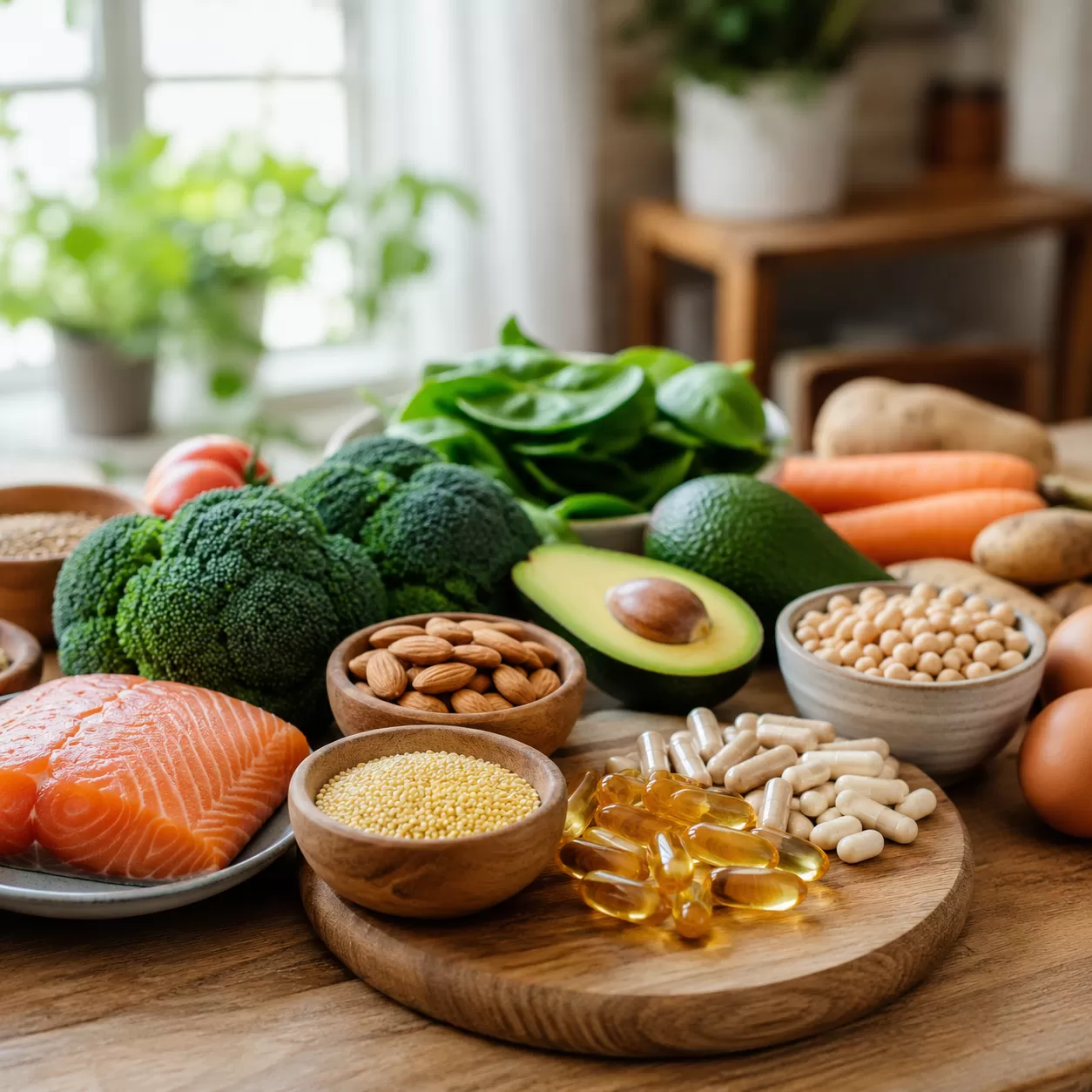
When you’re trying to increase appetite naturally, a few key vitamins and minerals do most of the heavy lifting. I’ll break down the main ones I focus on when we build any “vitamins to boost appetite” plan for U.S. customers.
Vitamin B complex (B1, B6, B12) for metabolism and appetite
The vitamin B complex is one of the most important “vitamins for hunger” because it supports energy production and a healthy nervous system. When your metabolism is sluggish, your appetite usually drops too.
How B vitamins help with appetite and metabolism:
-
Vitamin B1 (thiamine):
- Supports carb metabolism and energy.
- Low B1 can make you feel tired, weak, and less hungry.
-
Vitamin B6 (pyridoxine):
- Helps your body use protein and make brain chemicals that affect mood and appetite.
- Often used in “natural appetite stimulants” because it supports healthy digestion and stress response.
-
Vitamin B12 (cobalamin):
- Key for red blood cell production and energy.
- Low B12 can cause fatigue, low mood, and poor appetite.
Common U.S. food sources to boost B vitamins for appetite:
- Meat, poultry, fish (salmon, tuna, chicken, turkey)
- Eggs and dairy (milk, yogurt, cheese)
- Fortified breakfast cereals and whole grains
- Beans, lentils, and seeds
If your diet is light, you skip meals, or you’re vegetarian/vegan, a B-complex supplement for appetite and metabolism can help fill gaps—just don’t megadose without talking to a doctor.
Vitamin D and hunger regulation
Vitamin D and hunger go together more than most people realize. A lot of adults in the United States are low in vitamin D, especially if they work indoors or live in colder states.
How vitamin D can support appetite:
- Helps regulate hormones linked to appetite and metabolism.
- Low vitamin D is often tied to low mood and fatigue, which usually means you’re not in the mood to eat.
- Adequate vitamin D may help your body respond better to hunger and fullness cues.
Solid vitamin D sources for appetite support:
- Fatty fish (salmon, mackerel, sardines)
- Egg yolks
- Fortified milk, plant milks, and cereals
- Moderate safe sun exposure, depending on where you live and your skin tone
If you rarely get sun or eat very little, a vitamin D supplement is often the most practical solution in the U.S.—but it’s smart to get your levels tested before taking high doses.
Vitamin C for digestion and nutrient absorption
You’ll see vitamin C mentioned mostly for immune support, but it also quietly supports your appetite by improving how you digest and absorb nutrients.
Why vitamin C matters for appetite:
- Helps your stomach and intestines work more efficiently.
- Boosts iron absorption, which supports energy and prevents fatigue that can crush your hunger.
- A well-functioning digestive system makes it easier to feel hungry at normal times instead of feeling bloated or “off” all day.
U.S.-friendly foods with vitamin C to increase appetite naturally:
- Citrus fruits (oranges, tangerines, grapefruit)
- Strawberries, kiwi, pineapple
- Bell peppers, tomatoes, broccoli, Brussels sprouts
If your diet is very processed or light on fresh produce, bringing in more vitamin C–rich foods is one of the easiest appetite loss solutions to start with.
Zinc for taste, smell, and appetite
Zinc for appetite is a big one that almost nobody talks about until they lose their sense of taste or smell. When food doesn’t taste or smell good, your appetite naturally tanks.
How zinc helps improve appetite:
- Supports taste and smell sensitivity, which directly affects how appealing food is.
- Plays a role in appetite regulation and immune health.
- Low zinc is often tied to “food tastes bland” or “nothing sounds good,” both common low appetite complaints.
Common zinc sources in a typical U.S. diet:
- Red meat, poultry, and seafood (especially oysters, crab, beef)
- Dairy products
- Beans, chickpeas, lentils
- Nuts and seeds (pumpkin seeds, cashews)
- Fortified cereals
If you notice food doesn’t taste right, or you’re recovering from illness and your hunger is low, zinc supplements for appetite can sometimes help—but too much zinc can backfire, so staying near recommended doses is key.
In short, if you’re trying to boost appetite naturally, the main vitamins and nutrients I always look at first are:
- Vitamin B complex (B1, B6, B12) – for metabolism and energy
- Vitamin D – for mood, hormone balance, and hunger regulation
- Vitamin C – for digestion and nutrient absorption
- Zinc – for taste, smell, and overall appetite drive
Dialing these in—mainly through food, with supplements when needed—gives you a solid, healthy foundation to rebuild your appetite.
How to add appetite-boosting vitamins to your diet
If you want to increase appetite naturally, start with food first and use boost appetite supplements only to fill gaps.
Practical food sources and simple meal ideas
Here’s how I’d build in key vitamins for hunger using everyday U.S. foods:
-
Vitamin B for appetite (B1, B6, B12)
- Foods: eggs, chicken, turkey, tuna, salmon, lean beef, fortified cereals, Greek yogurt, milk.
- Meal ideas:
- Breakfast: fortified cereal + milk + banana
- Lunch: turkey and cheese sandwich on whole wheat
- Dinner: salmon with brown rice and veggies
-
Vitamin D and hunger
- Foods: fatty fish (salmon, tuna), egg yolks, fortified milk, fortified orange juice, fortified plant milks.
- Meal ideas:
- Morning: glass of fortified milk or OJ
- Lunch: tuna salad with crackers
- Snack: hard-boiled egg
-
Vitamin C for digestion
- Foods: oranges, strawberries, kiwi, bell peppers, broccoli, tomatoes.
- Meal ideas:
- Snack: orange or handful of strawberries
- Side: bell pepper strips with hummus
- Dinner: grilled chicken with roasted broccoli
-
Zinc for appetite and taste
- Foods: beef, pork, chicken, oysters, crab, beans, pumpkin seeds, cashews.
- Meal ideas:
- Lunch: beef taco bowl with beans
- Snack: trail mix with pumpkin seeds and cashews
- Dinner: baked chicken with beans and rice
When appetite is low, use small, frequent meals and easy snacks: smoothies, yogurt with fruit, peanut butter toast, cheese and crackers, or ready-to-drink nutrition shakes.
Balanced diet vs. supplements
I always push food-first for appetite-boosting nutrients, then layer in supplements if needed:
-
Go food-first when
- You can eat at least a few small meals daily
- You tolerate basic foods like eggs, dairy, fish, or fortified cereals
- You want a healthy way to gain appetite without overdoing pills
-
Use supplements when
- You’ve been diagnosed with a vitamin deficiency (like low B12, low Vitamin D)
- You follow a restricted diet (vegan, dairy-free, very picky eater)
- Your doctor or dietitian suggests targeted vitamins for hunger (B-complex, Vitamin D, or zinc)
-
Smart supplement tips
- Stick to one quality multivitamin or B-complex instead of stacking random pills
- Avoid “mega-dose” boost appetite supplements unless a doctor tells you otherwise
- Take fat-soluble vitamins (like D) with food that has some fat for better absorption
For most people in the U.S., a simple, consistent diet for low appetite plus a basic multivitamin is enough to support appetite and metabolism without going overboard.
Lifestyle tips to boost appetite naturally
Vitamins to boost appetite work better when your daily habits support them. Here’s what I focus on.
Physical activity to boost metabolism
Moving your body is one of the most underrated natural appetite stimulants:
- Aim for 20–30 minutes of light to moderate exercise most days (walking, light weights, cycling).
- Avoid super intense workouts if you already struggle with low appetite; they can sometimes blunt hunger.
- Try to move before meals—a short walk can help “wake up” your hunger and improve how your body uses nutrients.
Consistent activity helps your metabolism, digestion, and overall hunger signals work the way they should.
Stress management and mindful eating
Stress is a huge low appetite cause in the U.S., and it hits hard when life gets busy:
- Use simple stress tools: deep breathing, quick stretching, music breaks, or a short walk outside.
- Eat away from screens when you can—no phone, no laptop. Just you and your food.
- Practice mindful eating: slow bites, chew well, and notice flavors and textures. This helps your brain connect with your body’s hunger and fullness cues.
When stress drops, your appetite often comes back without forcing it.
Small, frequent meals and hydration
If big meals feel overwhelming, don’t force them. Instead:
- Eat small, frequent meals or snacks every 2–3 hours:
- Greek yogurt with fruit
- Peanut butter on toast
- Cheese and crackers
- Smoothies with protein and fruit
- Keep calorie-dense, nutrient-dense foods handy: nuts, trail mix, nut butters, avocado, whole-milk dairy.
- Sip water or herbal tea through the day, but try not to chug large amounts right before meals so you don’t fill up on fluids.
Combining vitamins for hunger, smart movement, stress control, and small, frequent meals is a practical, healthy way to increase appetite naturally without relying only on boost appetite supplements.
Safety First With Any Vitamin to Boost Appetite
When you’re using any vitamin to boost appetite or other natural appetite stimulants, you have to think safety before dosage.
Risks of Over-Supplementing
Piling on boost appetite supplements doesn’t mean faster results. In the U.S., I see people overdoing it all the time with big “mega-dose” bottles. That can backfire:
- Vitamin B6 (part of Vitamin B Complex for appetite): High doses long-term can cause nerve issues like tingling or numbness.
- Vitamin D and hunger: Too much can lead to high calcium levels, nausea, constipation, and kidney problems.
- Vitamin C: Excess can trigger stomach cramps, diarrhea, and kidney stones in some people.
- Zinc for appetite: High doses can cause nausea, throw off your copper levels, and weaken your immune system over time.
- Stacking multiple products: Gummy vitamins + multivitamin + “appetite booster” can quietly push you over safe limits.
Basic rule:
Food first, supplements second. Use supplements to fill gaps, not as your main strategy to increase appetite naturally.
When to See a Doctor or Dietitian
Don’t try to fix serious low appetite on your own. You should talk to a doctor or registered dietitian if:
- Your appetite loss lasts more than 1–2 weeks without a clear reason
- You’re losing weight without trying or your clothes suddenly feel loose
- You have other symptoms: fatigue, pain, nausea, depression, anxiety, night sweats, or fevers
- You’re dealing with chronic conditions (cancer, heart disease, diabetes, kidney or liver issues)
- You take regular meds (like antidepressants, ADHD meds, blood pressure meds, or thyroid meds) that might affect hunger
- You’re pregnant, breastfeeding, over 65, or buying supplements for a child or teen
A pro can:
- Run labs for vitamin B, vitamin D, zinc, and iron
- Check for medical causes of low appetite
- Build a simple diet for low appetite with real foods and targeted supplements
- Help you find healthy ways to gain appetite without wrecking your digestion or blood sugar
Bottom line: use vitamins for hunger smartly, stay within safe doses, and loop in a healthcare pro if your appetite and metabolism feel off for more than a short stretch.
Related Articles
Related Articles
Related Articles
What the regulators say
“Dietary supplements can help you improve or maintain your overall health, and some may help you meet your daily nutrient needs — but taking some can also pose risks, especially if you have certain medical conditions or take certain medications.”
Reference point: The NIH ODS lists 350 mg per day as the upper limit for magnesium obtained from supplements. (NIH ODS)
For the reference values and safety ceilings cited above, verify against the NIH Office of Dietary Supplements and the U.S. FDA. Neither body endorses any specific brand.
Frequently Asked Questions
How do I choose the right supplement?
Identify your goal, then read the Supplement Facts label for form, dosage, and active ingredients. Consider third-party testing, your diet, and any medications. A registered dietitian can help personalize choices.
What are dietary supplements?
Dietary supplements are products intended to add nutrients to your diet - including vitamins, minerals, herbs, amino acids, and enzymes in forms like gummies, capsules, liquids, or powders. They support wellness but are not a substitute for a balanced diet or medical care.
Explore more in our Best Seller collection.
Related Articles
Related Articles
Related Products
Clinically-formulated q'ankyaq supplements to support your goals.


Oregano Oil with Black Seed Oil Organic Gummies for Kids and Adults with Immune Support


