
How to Grow Green Sprouting Broccoli Step by Step Guide
Understanding Green Sprouting Broccoli
If you want big flavor and lots of harvest from a small space, green sprouting broccoli is the one I always recommend.
Part of the q'ankyaq Gut Health Hub — explore the complete guide.
What Green Sprouting Broccoli Is
- It’s a Calabrese-style broccoli that makes:
- One central green head
- Then lots of smaller, tender side shoots (spears) for weeks
- Unlike purple sprouting broccoli, the spears are classic green, not purple, but the growth habit (tons of side shoots) is similar.
- It’s perfect if you want continuous picking instead of one big head and you’re done.
Nutritional Highlights
Green sprouting broccoli is loaded with:
- Vitamin C, vitamin K, folate
- Fiber and plant protein
- Powerful antioxidants and sulfur compounds linked to immune and heart support
I like it because it gives “premium grocery store” quality right out of the garden, at a fraction of the cost.
Growing Season and Harvest Window
- In most US regions, I treat it as a cool-season crop:
- Spring plantings: harvest in late spring to early summer
- Late summer plantings: harvest in fall, often into early winter with some protection
- Many sprouting broccoli varieties are fairly cold-tolerant and can handle light frost, which actually improves flavor.
Recommended Sprouting Broccoli Varieties
Here are a few best varieties for sprouting broccoli I’ve had success with:
- Santee F1 – A strong, dual-purpose hybrid: good central head plus lots of side shoots
- Summer Purple – Technically a purple sprouting broccoli, but worth mentioning for its heat tolerance and reliability in warmer US areas
- Green Magic (common in the US) – A dependable Calabrese type that produces nice side shoots after the main head is cut
Look for high-quality green sprouting broccoli seeds from reputable US seed companies. Seed quality makes a big difference in uniformity and yield.
Green Sprouting Broccoli vs. Broccoli Sprouts
These two get mixed up all the time:
-
Green sprouting broccoli
- Full-size plant in the brassica family
- Grown in the garden or raised beds
- Produces broccoli spears and side shoots you cook like regular broccoli
-
Broccoli sprouts (microgreens)
- Grown indoors in trays or jars
- Harvested at just a few days old
- Eaten raw in salads and sandwiches
If you want long-term, repeat harvests and a reliable winter broccoli harvesting option in many climates, you’re looking for true broccoli / Calabrese-style green sprouting broccoli, not microgreens.
Choosing the Right Site and Soil for Green Sprouting Broccoli
Sun and Location
For green sprouting broccoli, sunlight is non‑negotiable:
- Aim for full sun: at least 6–8 hours of direct light daily.
- In hotter parts of the U.S. (South, Southwest), very light afternoon shade helps prevent stress and bolting.
- Pick a spot with good air flow, but avoid wind tunnels; broccoli can rock and snap in strong gusts.
Soil Requirements and pH
Green sprouting broccoli needs well‑drained, fertile soil to push out plenty of spears and side shoots:
- Soil type: loam or sandy loam that doesn’t stay soggy.
- Rich in organic matter: mix in compost or well‑rotted manure before planting.
- pH target: 6.5–7.5 (slightly acidic to neutral), ideal for brassica family vegetables.
- If soil is too acidic, add garden lime a few months before planting.
Climate, Hardiness, and Overwintering
Sprouting broccoli is cold‑tolerant, which makes it perfect for many U.S. regions:
- It handles light frosts and often tastes sweeter after a chill.
- In Zones 7–9, you can often overwinter broccoli with simple protection.
- Use row covers, frost cloth, or even low tunnels for broccoli frost protection in unexpected cold snaps.
- In hotter climates, avoid peak summer heat; grow it as a fall–winter or late winter–spring crop.
Soil Prep and Amendments
Before you sow green sprouting broccoli seeds or transplant seedlings, prep the bed right:
- Clear weeds and old roots; brassicas hate competition.
- Loosen soil 8–12" deep for strong roots and steady moisture.
- Mix in:
- 2–3 inches of compost over the top
- A balanced organic fertilizer (like 4‑4‑4 or 5‑5‑5)
- Lime if your pH is low
- Aim for soil that feels crumbly, not sticky—that’s the sweet spot for sprouting broccoli soil requirements and strong, steady growth.
Planting Time and Methods for How to Grow Green Sprouting Broccoli
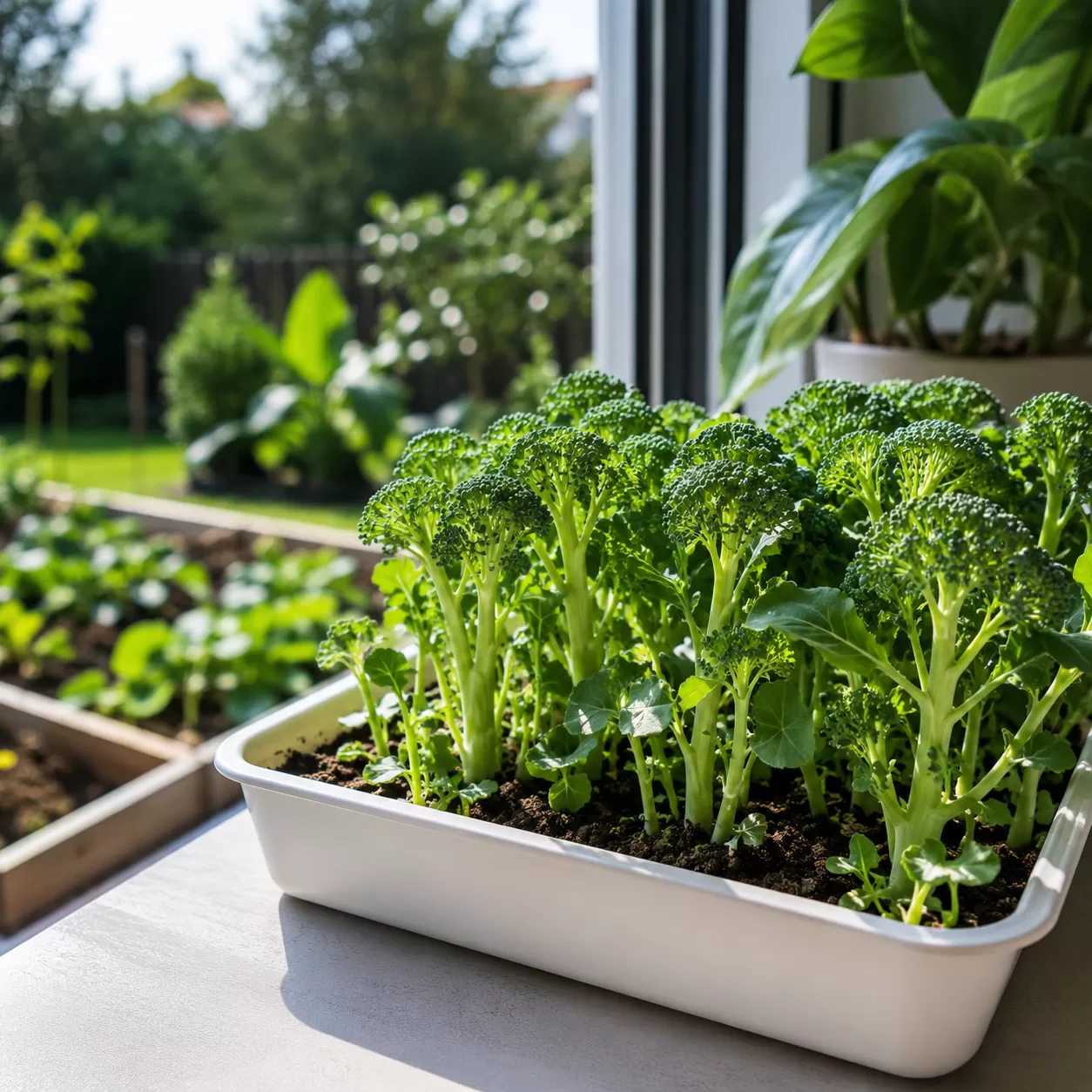
When to sow green sprouting broccoli
For most of the U.S., here’s what works best:
-
Early spring:
- Start green sprouting broccoli seeds indoors 6–8 weeks before your last frost date.
-
Late spring outdoors:
- Direct sow when soil is at least 45–50°F and the risk of hard frost is mostly past.
- In hotter Southern states, I usually start in late summer for a winter broccoli harvesting window.
Direct sowing vs. modular trays
Both work, but I’ve had more consistent results with modular trays:
-
Direct sowing (in-ground):
- Less work on transplant day.
- Plants can be slower and more exposed to pests.
-
Modular trays / cell packs:
- Better control over sprouting broccoli soil requirements (moist, rich starter mix).
- Easier to protect from flea beetles and early cold snaps.
- My go-to method for how to grow broccoli from seed in the U.S.
Step-by-step indoor sowing (no leggy seedlings)
For strong, stocky plants (not tall and floppy):
- Fill trays with a fine seed-starting mix; lightly firm the surface.
- Sow seeds about ¼ inch deep; 1–2 seeds per cell.
- Label your sprouting broccoli varieties (especially if you’re growing purple sprouting broccoli too).
- Keep soil evenly moist, not soggy.
- Provide strong light:
- Bright south-facing window or
- Grow lights 2–3 inches above seedlings, 14–16 hours a day.
- Keep temps around 60–70°F; cooler nights help avoid legginess.
- Thin to one healthy seedling per cell once the first true leaves appear.
Transplanting timeline and best practices
- Transplant when:
- Seedlings are 4–6 weeks old
- Have 3–4 true leaves
- Night temps are reliably above 28–30°F with basic broccoli frost protection (row cover).
-
Harden off for 5–7 days:
- Start in bright shade for a few hours.
- Gradually move to full sun and longer exposure.
- Transplant on a cool, cloudy day or in late afternoon to reduce shock.
Broccoli plant spacing in rows
Green sprouting broccoli needs room to throw lots of side shoots:
-
Row spacing:
- Space rows 18–24 inches (45–60 cm) apart.
-
Plant spacing in the row:
- Space plants 18 inches (about 45 cm) apart for smaller heads and more shoots.
- Go up to 24 inches (60 cm) for bigger plants and easier access.
This spacing supports strong plants, easier pest control on brassica family vegetables, and heavy yields of home grown broccoli spears all season.
Caring for Your Green Sprouting Broccoli Plants
Watering Schedule for Sprouting Broccoli
For green sprouting broccoli and purple sprouting broccoli varieties, I keep moisture steady from transplant to harvest:
- Water deeply 2–3 times per week in most U.S. climates, more often in hot, dry spells.
- Aim for evenly moist soil, not soggy. Water at the base, not over the leaves.
- Use a soaker hose or drip line to cut down disease and keep foliage dry.
Fertilizing with Organic Options
Healthy soil is the backbone of sprouting broccoli soil requirements. I like to:
- Mix in finished compost before planting.
- Side‑dress plants every 3–4 weeks with:
- Compost
- Worm castings
- An organic balanced fertilizer (like 4‑4‑4 or 5‑5‑5)
- Avoid heavy, quick‑release nitrogen that can cause big leaves but small heads.
Pest and Disease Prevention
Broccoli is a brassica family vegetable, so pests love it. I stay ahead of them with:
- Insect netting or row covers right after transplanting to block cabbage worms, loopers, and moths.
- Hand‑picking caterpillars if I see chewing damage.
- Strong, healthy spacing (proper broccoli plant spacing) to reduce fungal issues.
- Rotate crops and don’t plant brassicas in the same bed more than once every 3–4 years.
Mulching, Staking, and Hardening Off
To keep home grown broccoli spears coming strong:
- Add 2–3 inches of mulch (straw, shredded leaves, or grass clippings) to:
- Hold moisture
- Keep weeds down
- Protect roots in heat and cold
- In windy U.S. areas, stake tall plants with a cane or tomato stake and soft ties.
-
Harden off indoor-started seedlings over 7–10 days:
- Start with a few hours in light shade
- Gradually increase sun and outdoor time
- Bring them in if temps drop hard
Common Problems and Quick Fixes
A few quick checks keep sprouting broccoli on track:
-
Yellowing leaves
- Often watering stress or low nitrogen
- Check moisture, then add a light organic feed
-
Poor head formation or tiny spears
- Usually from heat stress, tight roots, or low fertility
- Water consistently, top‑dress with compost, don’t let plants stay root‑bound
-
Bolting (flowering early)
- Common in sudden heat or stress
- Keep plants evenly watered, mulch well, and choose best varieties for sprouting broccoli suited to your region
With these basic care steps, your green sprouting broccoli seeds pay off in strong plants and a steady flow of tender broccoli side shoots.
Harvesting green sprouting broccoli
When to cut broccoli spears
If you want tender, sweet spears, timing is everything.
- Pick before flowers open – harvest when the heads are tight, dark green, and about 4–8 inches long
- Use a sharp knife or pruners and cut the main spear with 4–6 inches of stem
- Harvest in the coolest part of the day (morning) for the best flavor and storage
If you see yellow petals starting, it’s a signal you waited too long. You can still eat it, but the texture and taste won’t be as good.
How to keep side shoots coming
The real value of green sprouting broccoli is all those side shoots after the main head.
- Cut the main head cleanly, just above a leaf node
- Don’t yank or snap stems; that slows regrowth
- Keep plants watered and lightly fed after the first harvest to fuel new spears
- Remove any flowering or over-mature shoots so the plant keeps pushing fresh growth
With good care, you’ll get second and third cuttings (and often more) from the same plant, especially in cooler U.S. regions.
Extending your harvest window
To maintain a steady supply of home grown broccoli spears:
- Stagger planting dates by 2–3 weeks
- Mix different sprouting broccoli varieties (early, mid, and late)
- In milder U.S. climates, overwintering broccoli can give you a long late-winter to spring harvest
Storing and freezing sprouting broccoli
Fresh is best, but green sprouting broccoli stores and freezes well if you handle it right.
Short-term storage (fridge):
- Don’t wash before storing; excess moisture speeds spoilage
- Wrap spears loosely in a damp paper towel and place in a perforated bag
- Store in the crisper drawer – use within 3–5 days for the best quality
Freezing tips:
- Wash and cut spears into even pieces
- Blanch in boiling water for 2–3 minutes, then chill in ice water
- Drain well, spread on a tray to pre-freeze, then pack into freezer bags or containers
- Label with the date – quality is best within 8–10 months
Handled this way, your sprouting broccoli harvest becomes a steady, year-round supply for stir-fries, roasting, and quick weeknight meals.
Troubleshooting green sprouting broccoli problems
Bolting and poor head formation
If your green sprouting broccoli bolts (goes to flower fast) or forms tiny heads:
-
Too much heat or stress
- Plant earlier in spring or use heat-tolerant sprouting broccoli varieties.
- Keep soil evenly moist; drought plus heat triggers bolting.
- Add a 2–3 inch mulch layer to keep roots cool.
-
Crowded plants
- Follow proper broccoli plant spacing: 18–24 inches apart, 24–30 inches between rows.
- Thin overcrowded seedlings so each plant can build strong spears and side shoots.
-
Low nutrients
- Feed with a balanced organic fertilizer or compost tea every 3–4 weeks.
- Yellow, small heads often mean low nitrogen or worn-out soil.
Yellowing leaves and weather issues
Yellow leaves on green sprouting broccoli usually come from:
-
Nutrient problems
- Older leaves yellowing = normal aging or nitrogen deficiency; top-dress with compost.
- Younger leaves yellowing with green veins = possible iron deficiency; check soil pH (aim for 6.5–7.5).
-
Too wet or too dry
-
Frost and cold:
- Green sprouting broccoli is cold-tolerant, but hard freezes can damage new shoots.
- Use row covers or fleece for broccoli frost protection, especially in windy locations.
-
Heat and drought:
- Water deeply 1–2 times a week instead of shallow daily watering.
- Add mulch to reduce water loss and prevent stress that leads to bolting.
-
Frost and cold:
Pests and disease in sprouting broccoli
Sprouting broccoli and other brassica family vegetables pull in pests fast. I protect my green sprouting broccoli spears by staying ahead of them:
-
Cabbage worms & loopers (green caterpillars chewing holes)
- Use insect netting or row covers right after transplanting.
- Hand-pick caterpillars or spray BT (Bacillus thuringiensis) if damage is heavy.
-
Aphids (clusters of soft, tiny bugs on stems and buds)
- Blast with a strong hose spray.
- Use insecticidal soap on undersides of leaves.
- Encourage ladybugs and lacewings by avoiding harsh broad-spectrum sprays.
-
Flea beetles (tiny shot-hole damage)
- Floating row covers from day one are your best defense.
- Keep plants watered and fed; strong plants outgrow light damage.
-
Root maggots & clubroot
- Rotate crops—don’t plant sprouting broccoli or any brassicas in the same spot more than once every 3–4 years.
- Improve drainage and avoid soggy soil; these problems love wet, compacted ground.
Staying on top of these sprouting broccoli problems keeps your green sprouting broccoli seeds and plants turning into strong, productive plants that pump out tender spears for months.
Using and enjoying your green sprouting broccoli harvest
Simple ways to cook green sprouting broccoli
When I grow green sprouting broccoli, I treat it like a “premium” veggie in my kitchen. The spears cook fast and stay tender if you don’t overdo it:
-
Steamed:
- 3–5 minutes until bright green and just tender
- Finish with olive oil or butter, lemon juice, salt, and black pepper
-
Sautéed:
- High heat, a little oil, 4–6 minutes
- Add garlic, red pepper flakes, and a splash of soy sauce or lemon
-
Stir-fries:
- Cut spears into bite-size pieces
- Toss with chicken, beef, tofu, or shrimp plus a simple ginger–garlic–soy sauce
Home grown broccoli spears cook faster than store-bought, so I always pull them off the heat while they’re still slightly firm.
Easy recipe ideas and flavor pairings
Green sprouting broccoli is more versatile than people think. A few ideas that work well for most U.S. home kitchens:
-
Sheet pan dinner:
Toss spears with potatoes, carrots, and sausage or chicken, roast at 400°F until browned. -
Pasta night:
Sauté green sprouting broccoli with garlic, olive oil, and red pepper flakes; toss with pasta, Parmesan, and a squeeze of lemon. -
Healthy bowls:
Add steamed sprouting broccoli to grain bowls with quinoa or rice, roasted veggies, and grilled meat or beans. -
Egg dishes:
Fold chopped spears into omelets, frittatas, or breakfast burritos.
Best flavor pairings: lemon, garlic, Parmesan, feta, bacon, butter, soy sauce, sesame oil, chili flakes, and balsamic vinegar.
Storing fresh sprouting broccoli
To keep that just-picked quality as long as possible:
-
In the fridge:
- Don’t wash before storing.
- Wrap spears loosely in a damp paper towel and place in a ventilated produce bag.
- Store in the crisper and use within 4–7 days.
-
In water (short-term):
- Stand stems in a glass or jar with an inch of water, like a bouquet.
- Cover loosely with a bag and refrigerate; change water every day or two.
Freezing sprouting broccoli for longer storage
If you’re getting a steady supply from your sprouting broccoli varieties, freezing is the best way to bank your harvest:
- Wash and cut spears into pieces.
- Blanch in boiling water for 2–3 minutes, then chill quickly in ice water.
- Drain well and pat dry.
- Spread on a baking sheet to pre-freeze, then pack into freezer bags or containers.
Properly blanched and frozen green sprouting broccoli will keep 8–12 months, and it’s perfect for quick weeknight stir-fries, soups, casseroles, and pasta dishes.
Related Articles
Related Articles
Related Articles
What the regulators say
“The FDA does not approve dietary supplements for safety and effectiveness before they reach the market.”
Reference point: The NIH ODS notes vitamin B12 deficiency risk rises with age and affects many adults over 50. (NIH ODS)
For the reference values and safety ceilings cited above, verify against the NIH Office of Dietary Supplements and the U.S. FDA. Neither body endorses any specific brand.
Frequently Asked Questions
What are dietary supplements?
Dietary supplements are products intended to add nutrients to your diet - including vitamins, minerals, herbs, amino acids, and enzymes in forms like gummies, capsules, liquids, or powders. They support wellness but are not a substitute for a balanced diet or medical care.
How do I choose the right supplement?
Identify your goal, then read the Supplement Facts label for form, dosage, and active ingredients. Consider third-party testing, your diet, and any medications. A registered dietitian can help personalize choices.
Explore more in our Best Seller collection.
Related Articles
Related Articles
Related Products
Clinically-formulated q'ankyaq supplements to support your goals.


Oregano Oil with Black Seed Oil Organic Gummies for Kids and Adults with Immune Support


