
How to Incorporate Broccoli Sprouts into Daily Meals: Easy Ways to
How to Incorporate Broccoli Sprouts into Daily Meals: Easy Ways to Eat Them Every Day
Broccoli sprouts are one of the easiest functional foods to add to your daily routine. They are small, crisp, peppery, and packed with sulforaphane potential, which is why so many people use them for detox support, antioxidant defense, gut health, immune health, and overall wellness.
Part of the q'ankyaq Gut Health Hub — explore the complete guide.
But here is the real question:
How do you actually eat broccoli sprouts every day without getting bored?
Most people hear about the benefits of broccoli sprouts, buy one container, sprinkle them on a salad once, and then forget about them in the fridge. The key is not just knowing how many broccoli sprouts per day to eat. The key is learning how to work them into meals you already enjoy.
This guide shows you simple, realistic ways to incorporate broccoli sprouts into daily meals, including breakfast, lunch, dinner, snacks, smoothies, bowls, sandwiches, and warm meals.
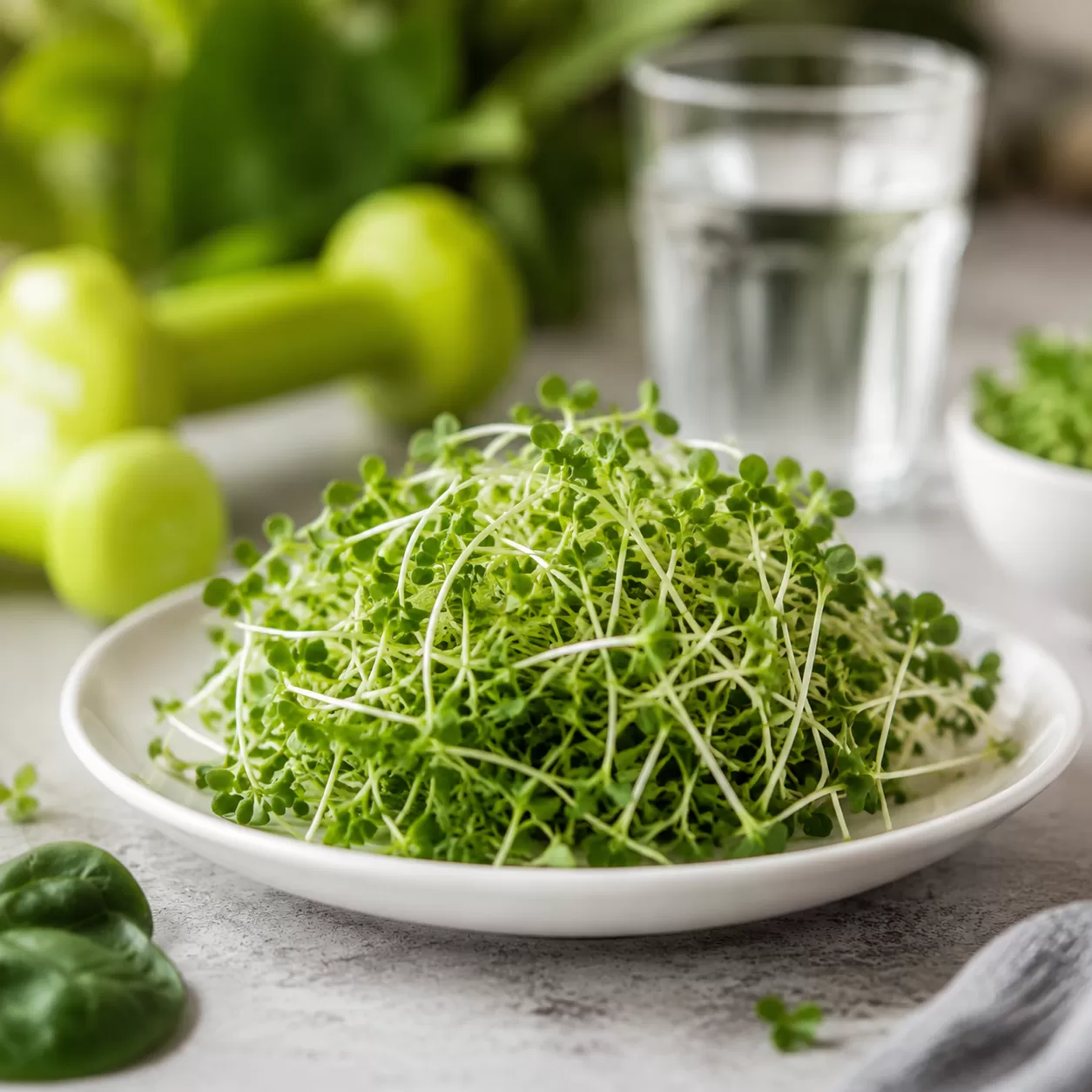
What Are Broccoli Sprouts?
Broccoli sprouts are young broccoli plants, usually harvested about 3–5 days after germination. They look similar to alfalfa sprouts, with thin white stems and tiny green leaves, but they come from broccoli seeds.
They are part of the cruciferous vegetable family, along with:
-
Broccoli
-
Kale
-
Cabbage
-
Brussels sprouts
-
Cauliflower
-
Arugula
What makes broccoli sprouts special is their high concentration of glucoraphanin, a natural compound that can convert into sulforaphane when the sprouts are chewed, chopped, or blended.
Sulforaphane is the main reason broccoli sprouts are so popular in wellness routines.
Why Add Broccoli Sprouts to Daily Meals?
Broccoli sprouts are easy to use because they require no cooking, no complicated prep, and no major recipe changes. You can add them to meals the same way you would add leafy greens, herbs, microgreens, or lettuce.
Broccoli Sprouts Nutrition at a Glance
| Nutrient / Compound | Why It Matters |
|---|---|
| Sulforaphane potential | Supports antioxidant defense and natural detox pathways |
| Vitamin C | Supports immune health and collagen production |
| Vitamin K | Supports normal blood clotting and bone health |
| Fiber | Supports digestion and gut regularity |
| Antioxidants | Help protect cells from oxidative stress |
| Plant compounds | Support overall cellular wellness |
Even a small serving can add a fresh crunch and a strong nutrition boost to everyday meals.
How Much Broccoli Sprouts Should You Eat Daily?
Before we get into meal ideas, it helps to have a simple daily target.
For most healthy adults, a practical amount is:
1–2 ounces of fresh broccoli sprouts per day
That equals approximately:
-
28–56 grams
-
About ½ cup to 1 packed cup
-
Roughly 1–2 small handfuls
If you are new to broccoli sprouts, start with a smaller amount:
-
Beginner: 1–2 tablespoons per day
-
Standard daily intake: ½–1 cup per day
-
Higher intake: up to 2 ounces per day, if tolerated
You do not need to eat a huge bowl of sprouts. The best approach is to add small amounts to multiple meals throughout the day.
The Best Way to Eat Broccoli Sprouts for Sulforaphane
Broccoli sprouts are usually best eaten raw or lightly warmed. This helps preserve the enzyme myrosinase, which supports the conversion of glucoraphanin into sulforaphane.
Best preparation methods:
-
Eat raw
-
Chop lightly before eating
-
Chew thoroughly
-
Blend gently into smoothies
-
Add after cooking, not during cooking
-
Use as a topping or garnish
Avoid:
-
Boiling broccoli sprouts
-
Frying them over high heat
-
Cooking them for a long time
-
Adding them too early to hot soups or stir-fries
A simple rule:
Cook the meal first, then add broccoli sprouts at the end.
This keeps the texture fresh and helps protect their sulforaphane potential.
Easy Ways to Incorporate Broccoli Sprouts into Breakfast
Breakfast is one of the easiest times to add broccoli sprouts because they pair well with eggs, toast, wraps, smoked salmon, avocado, and smoothies.
1. Add Broccoli Sprouts to Avocado Toast
Avocado toast is one of the simplest ways to eat broccoli sprouts daily.
Try this combination:
-
Whole grain toast
-
Mashed avocado
-
Lemon juice
-
Sea salt
-
Black pepper
-
Broccoli sprouts on top
The creamy avocado balances the peppery flavor of the sprouts, while the healthy fats make the meal more satisfying.
2. Top Scrambled Eggs or Omelets
Cook your eggs first, then add broccoli sprouts after they come off the heat.
Good combinations include:
-
Scrambled eggs + broccoli sprouts + feta
-
Omelet + mushrooms + sprouts
-
Egg wrap + avocado + sprouts
-
Breakfast tacos + eggs + salsa + sprouts
Do not cook the sprouts directly into the eggs for too long. Add them fresh at the end for the best texture.
3. Add Them to Breakfast Wraps
Broccoli sprouts work well in breakfast wraps because they add crunch without overpowering the meal.
Try:
-
Eggs
-
Turkey bacon or chicken sausage
-
Avocado
-
Salsa
-
Broccoli sprouts
-
Whole wheat tortilla
This is a great grab-and-go breakfast for busy mornings.
4. Blend a Small Amount into Smoothies
Broccoli sprouts can be added to smoothies, but start small because they have a peppery taste.
Beginner smoothie formula:
-
1 banana
-
½ cup berries
-
Greek yogurt or protein powder
-
Almond milk
-
1–2 tablespoons broccoli sprouts
-
Optional: chia seeds or flaxseed
As you get used to the taste, you can increase the amount slightly.
5. Use Them with Smoked Salmon Toast
For a savory breakfast, try:
-
Toast or bagel thin
-
Cream cheese or Greek yogurt spread
-
Smoked salmon
-
Cucumber
-
Broccoli sprouts
-
Lemon juice
This is a high-protein, nutrient-dense way to include sprouts in your morning routine.
Easy Ways to Add Broccoli Sprouts to Lunch
Lunch is probably the best meal for broccoli sprouts because they fit naturally into salads, sandwiches, wraps, bowls, and leftovers.
1. Use Broccoli Sprouts in Salads
The easiest option is to toss a handful into any salad.
Good salad combinations:
| Salad Base | Add-Ins | Dressing |
|---|---|---|
| Romaine | Chicken, avocado, sprouts | Lemon olive oil |
| Spring mix | Berries, walnuts, sprouts | Balsamic vinaigrette |
| Kale | Quinoa, chickpeas, sprouts | Tahini lemon |
| Spinach | Eggs, tomatoes, sprouts | Greek yogurt dressing |
Start with ¼ cup and increase to ½ cup or more as you get used to the flavor.
2. Replace Lettuce in Sandwiches
Broccoli sprouts can replace lettuce in almost any sandwich.
They work especially well in:
-
Turkey sandwiches
-
Chicken sandwiches
-
Tuna salad sandwiches
-
Egg salad sandwiches
-
Veggie sandwiches
-
Burgers
-
BLTs
Compared with lettuce, broccoli sprouts add more crunch, stronger flavor, and more sulforaphane potential.
3. Add Them to Wraps
Wraps are one of the most convenient ways to eat broccoli sprouts every day.
Easy wrap ideas:
-
Turkey + avocado + sprouts
-
Chicken Caesar + sprouts
-
Hummus + cucumber + sprouts
-
Tuna salad + sprouts
-
Egg salad + sprouts
-
Grilled chicken + salsa + sprouts
Add sprouts right before rolling the wrap so they stay crisp.
4. Build a Broccoli Sprout Grain Bowl
Grain bowls are perfect because you can build a full meal and top it with fresh sprouts.
Basic bowl formula:
-
Base: rice, quinoa, farro, couscous, or cauliflower rice
-
Protein: chicken, salmon, tofu, eggs, turkey, beans
-
Vegetables: cucumber, carrots, peppers, roasted vegetables
-
Healthy fat: avocado, olive oil, nuts, seeds
-
Topping: broccoli sprouts
Example bowl:
Chicken quinoa bowl with avocado, cucumber, roasted sweet potato, olive oil dressing, and fresh broccoli sprouts.
5. Add Them to Leftovers
Broccoli sprouts can make leftovers feel fresh again.
Add them to:
-
Leftover chicken bowls
-
Pasta salads
-
Cold noodle bowls
-
Rice bowls
-
Leftover tacos
-
Leftover roasted vegetables
-
Meal-prep containers
Keep the sprouts separate until you are ready to eat so they do not get soggy.
How to Eat Broccoli Sprouts at Dinner
Dinner is another great opportunity to add broccoli sprouts, especially as a fresh topping on warm meals.
1. Use Broccoli Sprouts as a Fresh Garnish
Instead of cooking broccoli sprouts, use them like a garnish.
Add them to:
-
Stir-fries after cooking
-
Soups after serving
-
Chili in the bowl
-
Curry after plating
-
Grain bowls
-
Roasted vegetables
-
Tacos
-
Burgers
-
Salmon bowls
This gives warm meals a fresh crunch while helping preserve nutrients.
2. Add Them to Tacos
Broccoli sprouts are excellent on tacos because their peppery flavor works well with salsa, lime, avocado, and protein.
Try them on:
-
Chicken tacos
-
Fish tacos
-
Shrimp tacos
-
Black bean tacos
-
Turkey tacos
-
Breakfast tacos
Add them at the end, right before eating.
3. Top Burgers and Sliders
Swap lettuce for broccoli sprouts on burgers.
They pair well with:
-
Turkey burgers
-
Beef burgers
-
Salmon burgers
-
Veggie burgers
-
Chicken burgers
Add avocado, tomato, pickles, or a yogurt-based sauce to balance the flavor.
4. Add to Salmon or Chicken Bowls
For a simple wellness dinner, try:
-
Salmon or grilled chicken
-
Brown rice or quinoa
-
Roasted vegetables
-
Olive oil or tahini dressing
-
Fresh broccoli sprouts on top
This is one of the easiest ways to combine protein, fiber, healthy fats, and sulforaphane-rich sprouts in one meal.
5. Use Them on Baked Potatoes
Broccoli sprouts can make baked potatoes more nutrient-dense.
Try:
-
Baked sweet potato
-
Greek yogurt
-
Chives
-
Black pepper
-
Broccoli sprouts
Or:
-
Baked potato
-
Cottage cheese
-
Salsa
-
Broccoli sprouts
This is an easy dinner or lunch option that feels filling without being complicated.
Broccoli Sprout Snack Ideas
Broccoli sprouts are not just for meals. You can also use them in quick snacks.
1. Hummus and Broccoli Sprout Crackers
Spread hummus on whole grain crackers and top with broccoli sprouts.
Add:
-
Cucumber slices
-
Cherry tomatoes
-
Olive oil drizzle
-
Everything bagel seasoning
2. Turkey and Broccoli Sprout Roll-Ups
Use deli turkey or chicken slices and roll them with:
-
Broccoli sprouts
-
Avocado
-
Cheese
-
Mustard
-
Pickles
This is a quick high-protein snack.
3. Guacamole with Broccoli Sprouts
Top guacamole with chopped broccoli sprouts and serve with:
-
Veggie sticks
-
Whole grain crackers
-
Tortilla chips
-
Cucumber rounds
4. Cottage Cheese Bowl
Try:
-
Cottage cheese
-
Cherry tomatoes
-
Black pepper
-
Olive oil
-
Broccoli sprouts
This is a simple savory snack with protein and crunch.
How to Add Broccoli Sprouts to Smoothies Without Ruining the Taste
Broccoli sprouts are powerful, but their flavor can be noticeable in smoothies. The trick is to use sweet or creamy ingredients to balance them.
Best smoothie ingredients to pair with broccoli sprouts:
-
Banana
-
Mango
-
Pineapple
-
Blueberries
-
Strawberries
-
Greek yogurt
-
Almond butter
-
Coconut water
-
Lemon juice
-
Ginger
Beginner Broccoli Sprout Smoothie
Ingredients:
-
1 banana
-
½ cup frozen berries
-
½ cup Greek yogurt
-
½ cup almond milk
-
1 tablespoon broccoli sprouts
-
1 teaspoon chia seeds
Blend gently and drink fresh.
Green Detox-Style Smoothie
Ingredients:
-
½ banana
-
½ cup pineapple
-
Handful of spinach
-
1–2 tablespoons broccoli sprouts
-
Lemon juice
-
Coconut water
-
Ice
This is a good option if your goal is a fresh, light, wellness-focused smoothie.
Simple Daily Meal Plan with Broccoli Sprouts
Here is an easy example of how to incorporate broccoli sprouts into daily meals without eating the same thing every day.
Option 1: Beginner Day
Breakfast:
Avocado toast with 1 tablespoon broccoli sprouts
Lunch:
Turkey wrap with ¼ cup broccoli sprouts
Dinner:
Chicken bowl with a small handful of sprouts on top
Option 2: Standard Daily Intake
Breakfast:
Egg wrap with avocado and sprouts
Lunch:
Salad with chicken, olive oil dressing, and ½ cup sprouts
Dinner:
Salmon bowl with quinoa, roasted vegetables, and sprouts
Option 3: Busy Day
Breakfast:
Smoothie with 1 tablespoon broccoli sprouts
Lunch:
Store-bought salad topped with sprouts
Dinner:
Tacos with sprouts added before serving
The goal is not perfection. The goal is to make broccoli sprouts easy enough that you actually eat them consistently.
How to Meal Prep Broccoli Sprouts
If you want to eat broccoli sprouts every day, meal prep makes it easier.
Meal Prep Tips
-
Wash and dry sprouts only when needed
-
Keep them separate from wet ingredients
-
Add them right before eating
-
Store in a container lined with paper towel
-
Do not pack them directly with hot food
-
Keep them refrigerated
Best meal prep meals with broccoli sprouts:
-
Mason jar salads
-
Chicken grain bowls
-
Turkey wraps
-
Egg salad containers
-
Hummus snack boxes
-
Salmon rice bowls
-
Taco bowls
For meal prep, store the sprouts in a separate small container and add them after reheating your food.
How to Store Broccoli Sprouts So They Stay Fresh
Freshness matters because broccoli sprouts are delicate.
Storage Tips
-
Store in the refrigerator at 34–40°F
-
Keep them dry
-
Use a vented container or a paper towel-lined container
-
Avoid sealing wet sprouts in an airtight container
-
Use within 3–5 days
-
Discard if they smell sour, feel slimy, or turn yellow/brown
Moisture is the biggest problem. If the sprouts are too wet, they spoil quickly.
A good storage method:
-
Gently pat sprouts dry.
-
Line a container with a dry paper towel.
-
Add sprouts loosely.
-
Cover and refrigerate.
-
Replace the paper towel if it gets too damp.
Growing Broccoli Sprouts at Home for Daily Meals
If you eat broccoli sprouts often, growing them at home can be cheaper and fresher than buying them.
What You Need
-
Broccoli sprouting seeds
-
Wide-mouth mason jar
-
Sprouting lid or mesh
-
Clean water
-
Bowl or rack for draining
Basic Jar Method
-
Add 2–3 tablespoons of broccoli seeds to a clean jar.
-
Cover with water and soak overnight for 8–12 hours.
-
Drain and rinse well.
-
Place the jar upside down at an angle to drain.
-
Rinse and drain 2–3 times per day.
-
Keep at room temperature and away from direct sunlight.
-
In 3–5 days, sprouts should be ready.
-
Refrigerate once fully grown.
Home growing works best when you keep everything clean and allow sprouts to drain fully between rinses.
Where to Buy Broccoli Sprouts in the U.S.
If you do not want to grow them, you can often find fresh broccoli sprouts in the refrigerated produce section.
Common places to check:
-
Whole Foods Market
-
Sprouts Farmers Market
-
Natural grocery stores
-
Local co-ops
-
Farmers’ markets
-
Some Kroger, Safeway, Publix, H-E-B, and regional grocery chains
You can also buy broccoli sprouting seeds online from major retailers or specialty seed brands.
When buying fresh sprouts, look for:
-
Crisp texture
-
Fresh smell
-
Bright white stems
-
Green leaves
-
No slime
-
No yellowing
-
No sour odor
What Foods Pair Best with Broccoli Sprouts?
Broccoli sprouts have a fresh, slightly peppery flavor. They pair best with creamy, savory, citrusy, or rich foods.
Best Pairings
| Food Type | Examples |
|---|---|
| Healthy fats | Avocado, olive oil, nuts, seeds |
| Proteins | Eggs, chicken, salmon, turkey, tofu |
| Creamy foods | Greek yogurt, hummus, cottage cheese, guacamole |
| Citrus | Lemon, lime, orange |
| Fresh vegetables | Cucumber, tomato, carrots, peppers |
| Fermented foods | Kimchi, sauerkraut, kefir, yogurt |
| Whole grains | Quinoa, rice, farro, whole grain bread |
These pairings make broccoli sprouts easier to enjoy while building a more balanced meal.
Common Mistakes When Eating Broccoli Sprouts
Mistake 1: Cooking Them Too Much
High heat can reduce the enzyme activity that helps form sulforaphane. Add sprouts after cooking instead.
Mistake 2: Eating Too Much Too Fast
Large amounts may cause gas or bloating. Start with a small serving and increase gradually.
Mistake 3: Letting Them Get Wet in the Fridge
Moisture causes spoilage. Keep sprouts dry and cold.
Mistake 4: Only Using Them in Salads
Broccoli sprouts work in toast, wraps, bowls, tacos, burgers, snacks, and smoothies. Use them beyond salads.
Mistake 5: Ignoring Food Safety
Raw sprouts need careful handling. If they smell bad or feel slimy, throw them away.
Who Should Be Careful with Raw Broccoli Sprouts?
Most healthy adults can enjoy broccoli sprouts as part of a balanced diet, but some groups should be more cautious.
Talk with a healthcare professional first if you are:
-
Pregnant
-
Breastfeeding
-
Immunocompromised
-
Giving sprouts to young children
-
Managing thyroid disease
-
Taking blood thinners
-
Taking multiple medications
-
Undergoing cancer treatment
-
Dealing with serious digestive issues
Raw sprouts can carry a higher bacterial risk than many other vegetables because they grow in warm, moist conditions. Proper storage, rinsing, and handling are important.
Frequently Asked Questions
Can I eat broccoli sprouts every day?
Yes, most healthy adults can eat broccoli sprouts daily. A practical daily amount is about ½–1 packed cup, or 1–2 ounces. Start smaller if you are new to them.
What is the easiest way to eat broccoli sprouts daily?
The easiest way is to add them to meals you already eat, such as sandwiches, salads, wraps, avocado toast, grain bowls, tacos, and smoothies.
Should broccoli sprouts be eaten raw or cooked?
Raw broccoli sprouts are usually best for sulforaphane potential. You can add them to warm meals, but add them after cooking instead of heating them for a long time.
Can I put broccoli sprouts in smoothies?
Yes. Start with 1 tablespoon because the flavor can be peppery. Pair them with banana, berries, pineapple, mango, yogurt, or lemon juice.
Do broccoli sprouts taste like broccoli?
Not exactly. They taste more fresh, grassy, and peppery than mature broccoli. Their flavor is stronger when eaten alone but blends well with creamy or savory foods.
How do I keep broccoli sprouts fresh?
Store them in the refrigerator, keep them dry, and use them within 3–5 days. A paper towel-lined container works well.
Can children eat broccoli sprouts?
Small amounts may be suitable for some children, but start slowly and check with a pediatrician, especially for young children or children with health concerns.
Are broccoli sprouts safe during pregnancy?
Pregnant women should be cautious with raw sprouts because of bacterial contamination risk. Many providers recommend avoiding raw sprouts during pregnancy unless specifically approved.
Final Thoughts: Make Broccoli Sprouts Easy, Not Complicated
Broccoli sprouts are one of the easiest ways to add sulforaphane-rich nutrition to your daily meals. You do not need complicated recipes or large servings. A small handful added to meals you already enjoy can make a meaningful difference over time.
The simplest strategy is:
-
Add them to breakfast toast, eggs, or smoothies
-
Use them in sandwiches, wraps, and salads at lunch
-
Sprinkle them over bowls, tacos, soups, or protein meals at dinner
-
Store them properly so they stay fresh
-
Start small and increase gradually
For most healthy adults, ½–1 packed cup of broccoli sprouts per day is a practical and realistic goal.
The best broccoli sprout routine is the one you can repeat. Keep them visible in your fridge, pair them with foods you already love, and use them as a fresh, crunchy topping for everyday wellness.
Related Articles
Related Articles
Related Articles
What the regulators say
“The FDA does not approve dietary supplements for safety and effectiveness before they reach the market.”
Reference point: For adults, the NIH ODS lists 4,000 IU (100 mcg) per day as the upper limit for vitamin D. (NIH ODS)
For the reference values and safety ceilings cited above, verify against the NIH Office of Dietary Supplements and the U.S. FDA. Neither body endorses any specific brand.
Frequently Asked Questions
What does third-party tested mean?
An independent lab verified the product's contents, purity, and lack of contaminants like heavy metals or microbes. Common seals include NSF, USP, and ConsumerLab. It is a strong quality signal but voluntary.
Do dietary supplements need FDA approval?
In the U.S., supplements are regulated by the FDA under DSHEA but are not approved the way prescription drugs are. Manufacturers are responsible for safety and labeling; third-party testing adds assurance.
How do immune supplements work?
They supply vitamins (such as C, D, zinc) and botanicals that support the body's normal immune function - they do not prevent illness on their own.
Can I take immune supplements year-round?
Many are fine daily, but high-dose nutrients (like zinc or vitamin C) are best cycled. Consult a healthcare provider for long-term use.
What vitamins support immune function?
Vitamin C, vitamin D, and zinc are the most-studied. A balanced diet plus targeted supplements helps fill gaps.
Explore more in our Best Seller collection.
Related Articles
Related Articles
Related Products
Clinically-formulated q'ankyaq supplements to support your goals.


Oregano Oil with Black Seed Oil Organic Gummies for Kids and Adults with Immune Support


