
How Long Do Broccoli Sprouts Last Storage and Safety Guide
How Long Do Broccoli Sprouts Last?
If you are trying to maximize your daily dose of nutrients, you need to know exactly how long do broccoli sprouts last before they lose their punch. On average, fresh broccoli sprouts will stay crisp and safe to eat for 3 to 7 days when kept in the refrigerator. However, the exact clock on their freshness depends entirely on where they came from.
Part of the q'ankyaq Gut Health Hub — explore the complete guide.
Store-Bought vs. Home-Grown Sprouts
There is a massive difference between commercial tubs and your own backyard or kitchen harvests.
- Store-Bought Sprouts: These varieties are often already near the end of their shelf life cycle upon purchase. Between the commercial harvesting, packaging, shipping, and sitting on grocery shelves, they have already used up precious days. You will lucky to get 2 to 3 days of peak freshness out of them at home.
- Home-Grown Sprouts: Pristine, freshly harvested home crops haven't suffered from transit stress. Because you control the hygiene and timing, these living foods easily last a full 5 to 7 days in prime condition.
Storage Environment Matrix
To keep your broccoli sprout shelf life as long as possible, use this quick reference guide to choose the right storage method:
| Storage Method | Expected Shelf Life | Best For |
|---|---|---|
| Standard Refrigeration | 3 to 7 Days | Daily salads, sandwiches, and raw eating |
| Optimal Fridge Setup (With Towel) | 7 to 10 Days | Extending the life of home-harvested crops |
| Freezer (Flash-Frozen) | 30 to 60 Days | Long-term preservation for smoothies |
| Room Temperature | Less than 12 Hours | Immediate consumption only |
The Ultimate Post-Harvest Prep: How to Extend Broccoli Sprout Shelf Life
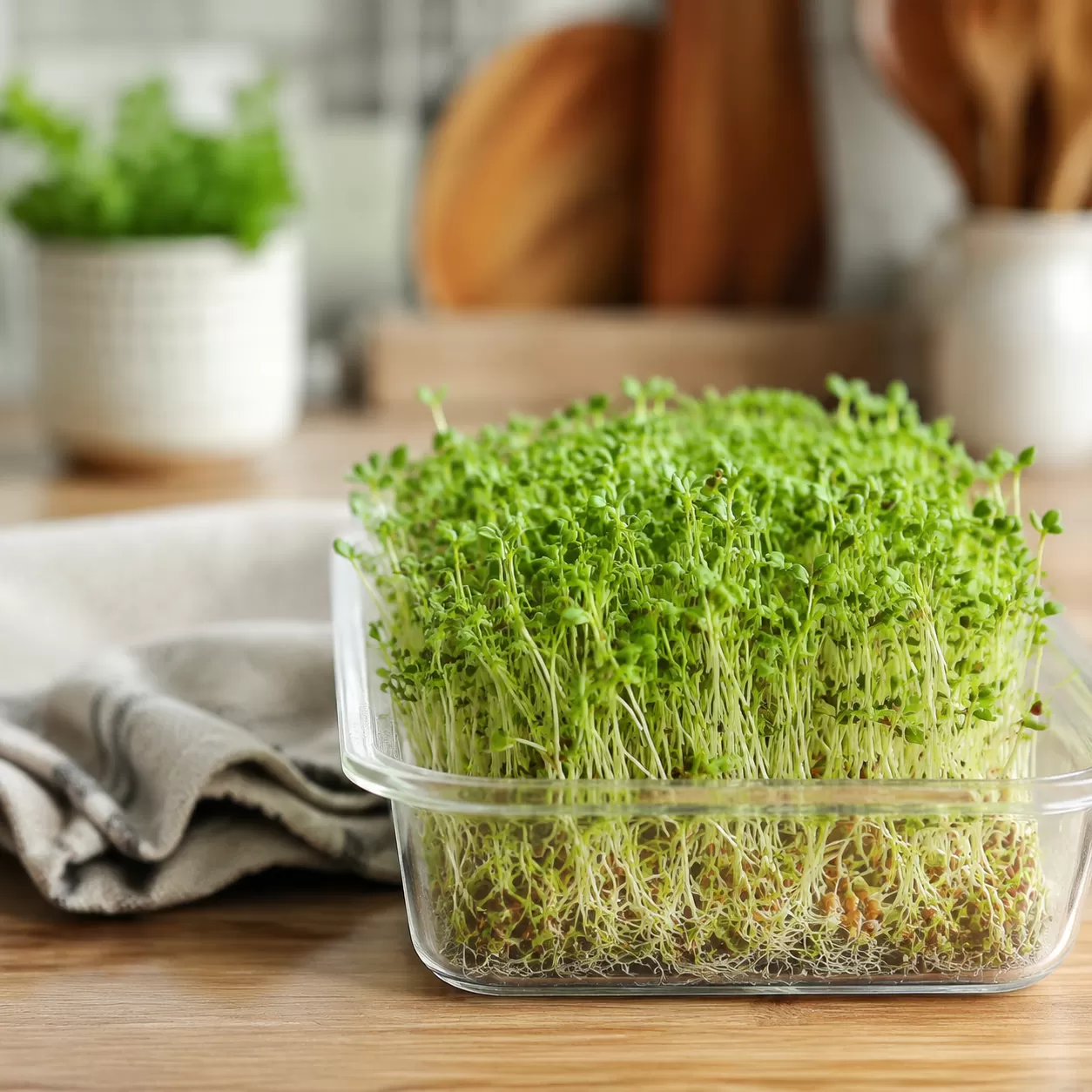
How you handle your sprouts right after harvest or purchase determines exactly how long those broccoli sprouts last. Proper preparation prevents premature spoilage and locks in peak nutrition.
Step 1: The Rinse & De-Hulling Process
Properly de-hulling broccoli sprouts is the first line of defense against early decay. Seed hulls and unsprouted seeds trap moisture, creating micro-pockets where bacteria thrive.
- The Submersion Technique: Dump your harvested sprouts into a large bowl of cold water.
- The Skim: Gently swirl the sprouts. The loose, brown seed hulls will float to the top, while unsprouted seeds sink to the bottom.
- The Separation: Skim the floating hulls off the surface with a mesh strainer and discard them, leaving behind clean, pristine sprouts.
Step 2: The Critical Drying Phase (The "Make-or-Break" Step)
Putting wet sprouts straight into the fridge is a guaranteed recipe for slimy broccoli sprouts and mushy rot within 48 hours. Excess moisture removal is absolutely mandatory before storage.
- The Strainer Strategy: Spread the rinsed sprouts into a large colander or mesh strainer. Let them air-dry on the counter for 8 to 12 hours. Ensure the room has good airflow so they dry completely without wilting.
- The Salad Spinner Method: For a faster turnaround, place the sprouts in a salad spinner lined gently with paper towels. Spin them multiple times, changing out the damp paper towels until the sprout surfaces feel completely dry to the touch.
Step 3: Managing Airflow vs. Oxidation
Once dry, choosing the right airtight storage container or jar setup requires a delicate balance between stopping oxidation and allowing the greens to breathe.
- Airtight Glass Mason Jars: Storing sprouts in mason jars with solid lids keeps oxygen out, which prevents the greens from turning brown. However, this method requires the sprouts to be 100% dry before sealing.
- Breathable Mesh Lids: If you suspect any residual moisture remains, use a breathable mesh or cheesecloth lid instead. This allows for minor gas exchange, preventing anaerobic bacterial growth while keeping the batch fresh.
For parents looking to skip the intense prep work while still securing premium nutrition for their family, integrating a kids sulforaphane supplement broccoli sprout extract liquid into a daily routine offers an incredibly convenient, shelf-stable alternative.
Best Refrigeration Practices to Halt Spoilage
To maximize your broccoli sprout shelf life and keep them crisp, you need to manage your fridge setup carefully. Proper temperature control and strategic placement are the ultimate defenses against premature rotting.
The Ideal Microclimate
Keep your refrigerator calibrated between 33°F and 39°F. This specific temperature range is cold enough to arrest bacterial proliferation and slow down spoilage, yet warm enough to prevent structural freezing. Dropping below 33°F will freeze the delicate cell walls of the sprouts, turning them into a mushy mess once they thaw.
The Paper Towel Trick
Moisture is the number one enemy of fresh sprouts. To manage condensation, always place a clean, dry, folded paper towel at the bottom of your storage container before adding the sprouts. This towel acts as a constant moisture wick, catching any residual moisture drip or condensation that settles at the bottom, which prevents the lower layers from sitting in water and turning slimy.
Fridge Placement Strategy
Where you store your sprouts matters just as much as how you pack them. Avoid the crisper drawers and the door shelves.
- Middle or Top Shelves (Best Choice): These areas offer the most stable, consistent airflow and optimal refrigeration temperature.
- Crisper Drawers (Avoid): These drawers are designed to trap heavy humidity, which creates a breeding ground for bacteria on raw sprouts.
- Door Shelves (Avoid): The door experiences frequent temperature fluctuations every time you open the fridge, accelerating spoilage.
If you are focusing on a complete wellness routine and utilizing home remedies to support your body's natural defenses, keeping your greens fresh is just as vital as managing your daily supplements. For instance, maintaining organ health with targeted support, like a high-quality kidney cleanse detox, works hand-in-hand with a clean, nutrient-dense diet filled with fresh, properly stored cruciferous sprouts. Keep your sprouts on the middle shelf, use the paper towel trick, and ensure your fridge stays under 40°F to get the most out of every harvest.
Can You Freeze Broccoli Sprouts to Extend Shelf Life?
Yes, you can freeze broccoli sprouts, and it is actually an incredible way to maximize their health benefits. If you want to preserve your harvest for the long term while locking in nutrition, the freezer is your best tool.
The Science of Freezing and Sulforaphane Content Retention
Freezing does more than just stop spoilage—it enhances the nutritional profile of your greens. When you flash-freeze broccoli sprouts, the moisture inside them expands and ruptures the plant's cell walls. This structural breakdown mimics the mechanical action of chewing.
When these damaged cells eventually blend into a drink, it accelerates the chemical reaction between glucoraphanin and the active myrosinase enzyme, significantly boosting the bioavailable sulforaphane content retention in your final mix. For those focusing on cellular health and natural detoxification, this chemical boost works beautifully alongside a clean wellness routine, much like how targeted thyroid supplement liquid drops for women help support metabolic efficiency from the inside out.
The Step-by-Step Flash-Freeze Method
To prevent your greens from turning into a solid, unusable ice block, use this simple flash-freeze strategy:
- Prep: Ensure your sprouts are completely dry after de-hulling.
- Spread: Lay the sprouts uniformly across a baking tray lined with parchment paper, keeping them in a single layer.
- Initial Freeze: Place the tray flat in the freezer for 2 hours until the sprouts are brittle and frozen solid.
- Pack: Transfer the frozen sprouts quickly into vacuum-sealed bags or silicone freezer pouches, squeezing out all remaining air before sealing.
The Active Myrosinase Window
While freezing preserves the sprouts, they do not last indefinitely. Standard home freezers use auto-defrost cycles that periodically raise the internal temperature to prevent frost buildup. This constant fluctuation causes subtle micro-thawing. Because of this, you should use your frozen stash within 30 to 60 days before the delicate myrosinase enzyme begins to degrade and lose its potency.
The "No-Thaw" Golden Rule
Never let frozen broccoli sprouts thaw on the counter. If you let them warm up naturally, they will melt into a soggy, unappetizing puddle, and the volatile sulforaphane will escape into the air. Instead, take them straight from the freezer and drop them directly into a cold blender for smoothies. This keeps the enzymes intact and delivers the maximum nutritional punch directly to your glass.
Food Safety 101: How to Spot Bad or Contaminated Sprouts
When you are monitoring your broccoli sprout shelf life, knowing the difference between a false alarm and actual spoilage is critical for your health. Sprouts grow in warm, humid environments, which means they require close inspection before they hit your plate.
The "Normal" False Alarms
Before tossing a fresh batch, make sure you aren't misidentifying natural growth habits.
- The Sulfur Smell: A faint, distinctly sharp sulfurous aroma is completely natural. Broccoli is a cruciferous veggie, and it naturally releases these compounds.
- White Root Hairs (Cilia): Look closely at the roots. If you see tiny, microscopic white filaments growing along the main root, those are harmless root hairs used to absorb water. Actual fuzzy mold will look like a spiderweb, clump the sprouts together, and grey or blue out.
The Danger Zone Checklist (When to Discard Instantly)
If your crop exhibits any of the following sensory triggers, toss the entire batch into the trash immediately. Do not try to wash away the contamination.
| Warning Sign Category | What to Look For |
|---|---|
| Sensory Triggers | A pungent, sweet-rotten, sour, or distinctly fishy smell that hits you the moment you open the container. |
| Visual Indicators | A dark brown, yellowing, translucent, or completely collapsed appearance. Healthy sprouts should be vibrant green and white. |
| Tactile Warnings | Slimy broccoli sprouts that feel slippery, sticky, or completely mushy when handled. |
Understanding the Risk Profile
Because the conditions required to grow sprouts are the exact same conditions where bacteria thrive, they carry a higher foodborne illness risk than other greens. Contamination from Listeria and Salmonella can happen at the seed level or during the harvesting phase.
While healthy adults can usually fight off minor exposure, high-risk groups—including pregnant individuals, the elderly, and anyone who is immunocompromised—should completely avoid eating raw sprouts. For these individuals, it is highly recommended to pasteurize, steam, or lightly cook the sprouts to eliminate any potential pathogens before consumption. For families looking out for their kids' overall wellness and nutrition during these vulnerable stages, pairing safe, fully cooked whole foods with specialized wellness additions like appetite booster gummies for kids ages can help maintain a balanced, worry-free daily routine.
FAQs: Maximizing Your Broccoli Sprout Shelf Life
Why did my broccoli sprouts turn slimy after just two days?
Excess moisture is the number one enemy of your sprouts. If they turn slimy that quickly, they weren't dried completely before going into the fridge, or they were trapped in a high-humidity crisper drawer. Residual water creates a breeding ground for bacteria, which cuts the broccoli sprout shelf life down to almost nothing. Always ensure they are bone-dry to touch before storage.
Can I wash my sprouts right before I eat them instead of before storing them?
No, it is highly recommended to do the rinse and de-hulling broccoli sprouts process before long-term storage. Removing the damp seed hulls early eliminates pocketed decay. If you store them dirty and wet, micro-bacteria will ruin the batch before you get a chance to eat them. Just do a quick final rinse right before serving if desired.
Does cooking broccoli sprouts destroy their health benefits?
Yes, heavy cooking destroys the heat-sensitive active myrosinase enzyme, which is required to unlock the potent sulforaphane content retention. To get the maximum health benefits, eat them raw, blend them cold, or only lightly steam them for under 30 seconds if you belong to a high-risk group concerned about foodborne illness risk.
What type of container is best for home-harvested crops?
The best choice for storing sprouts in mason jars is a glass jar equipped with a breathable mesh lid, or a glass container left slightly cracked. This setup strikes the perfect balance between preventing slimy broccoli sprouts from suffocating and stopping premature oxidation.
| Container Type | Airflow Rating | Best Used For |
|---|---|---|
| Glass Mason Jar + Mesh Lid | High / Optimal | Home-harvested crops (prevents moisture buildup) |
| Airtight Storage Container | Low / Traps Gas | Short-term storage (requires a paper towel liner) |
| Silicone Freezer Pouch | Zero (Vacuum) | Freezing broccoli sprouts for smoothies |
Related Articles
Related Articles
Related Articles
What the regulators say
“Dietary supplements can help you improve or maintain your overall health, and some may help you meet your daily nutrient needs — but taking some can also pose risks, especially if you have certain medical conditions or take certain medications.”
Reference point: Iron deficiency is among the most common nutrient deficiencies worldwide, per the NIH ODS. (NIH ODS)
For the reference values and safety ceilings cited above, verify against the NIH Office of Dietary Supplements and the U.S. FDA. Neither body endorses any specific brand.
Frequently Asked Questions
Do dietary supplements need FDA approval?
In the U.S., supplements are regulated by the FDA under DSHEA but are not approved the way prescription drugs are. Manufacturers are responsible for safety and labeling; third-party testing adds assurance.
What does third-party tested mean?
An independent lab verified the product's contents, purity, and lack of contaminants like heavy metals or microbes. Common seals include NSF, USP, and ConsumerLab. It is a strong quality signal but voluntary.
How do digestive supplements work?
They may include botanicals, fibers, and compounds that support normal digestion and a comfortable gut environment.
Can herbs and probiotics be taken together?
Often yes, but spacing and individual tolerance matter. Check with a healthcare provider if you take medications.
What supports gut-lining comfort?
Ingredients like DGL (deglycyrrhizinated licorice) and zinc carnosine are commonly used for gut comfort alongside a balanced diet.
Explore more in our Best Seller collection.
Related Articles
Related Articles
Related Products
Clinically-formulated q'ankyaq supplements to support your goals.


Oregano Oil with Black Seed Oil Organic Gummies for Kids and Adults with Immune Support


