
Curious about what foods contain plant sterols or stanols? You’re not alone. These naturally occurring compounds—also called phytosterols—help block intestinal absorption of cholesterol, making them a smart addition to a heart-conscious eating pattern. Research shows that consuming about 1.5–3 g per day of plant sterols or stanols can lower LDL (“bad”) cholesterol by roughly 5–15% when combined with a balanced diet. While supplements exist, you can find meaningful amounts in everyday foods and in fortified options.
Here are the most reliable sources to consider:
- Nuts and seeds: Almonds, pistachios, walnuts, pecans, sesame, and sunflower seeds provide notable levels of phytosterols. Incorporating a small handful daily is an easy, nutrient-dense strategy that also delivers healthy fats.
- Vegetable oils: Corn, canola, and soybean oils are among the richest natural sources. Unrefined or minimally processed oils retain more phytosterols, and using them in dressings or light sautés helps you reap the benefits.
- Legumes and soy foods: Soybeans, chickpeas, lentils, tofu, and tempeh contribute modest amounts while adding plant protein and fiber to support overall cardiometabolic health.
- Whole grains: Wheat germ, bran, oats, and rye contain phytosterols along with beta-glucans and other fibers that complement cholesterol management.
- Fruits and vegetables: Levels are generally lower, but avocado and Brussels sprouts stand out compared to most produce. Think of these as supportive additions rather than primary sources.
- Fortified foods: For those targeting therapeutic intakes, sterol- or stanol-fortified spreads, yogurts, milks, and juices can supply effective doses per serving. Always check labels for the amount of added plant sterols/stanols and aim to space servings with meals.
To get the most from these foods, remember a few practical tips:
- Consume sterol- or stanol-containing foods with meals that include some fat. This timing improves their competition with dietary cholesterol in the gut micelles.
- Combine strategies: Soluble fiber (oats, barley, psyllium), plant sterols/stanols, and overall dietary patterns rich in vegetables, legumes, and whole grains work synergistically.
- Be consistent. Daily intake is more important than occasional high amounts.
- If you already take cholesterol-lowering medication, sterols and stanols can be complementary, but consult your clinician for personalized guidance.
Safety and considerations:
- Plant sterols and stanols are generally well tolerated. However, very high intakes may slightly reduce absorption of fat-soluble carotenoids (such as beta-carotene). You can offset this by eating more colorful fruits and vegetables.
- They are not typically recommended for children, pregnant, or breastfeeding individuals unless advised by a healthcare professional.
- People with the rare condition sitosterolemia should avoid high intakes and seek medical advice.
If your goal is everyday maintenance, a balanced pattern might look like this: a bowl of oats with a fortified yogurt at breakfast; a salad dressed with canola or soybean oil at lunch; a snack of almonds or pistachios; and legumes or tofu at dinner. This approach delivers naturally occurring phytosterols, fiber, and heart-friendly fats, making it easier to approach the effective range—especially when fortified options are included.
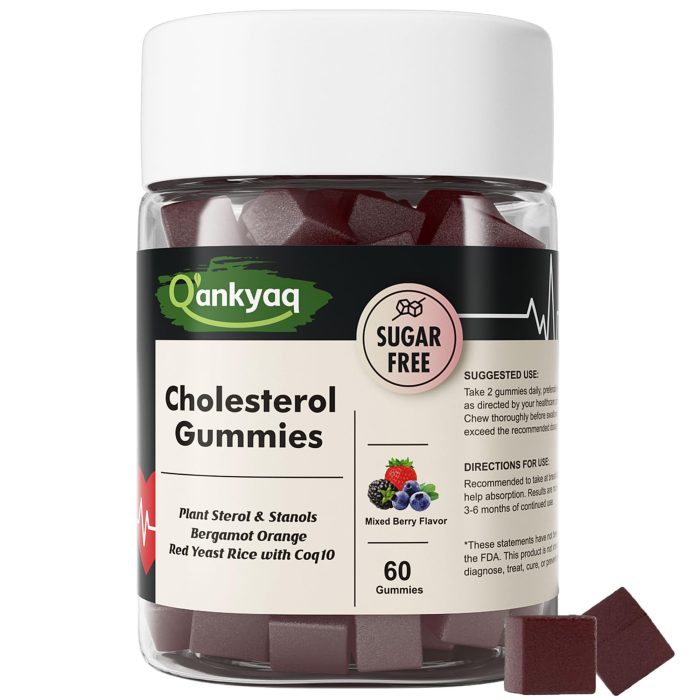
As a health-supplement trading company, Qankyaq supports partners seeking high-quality plant sterol and stanol solutions—from raw materials to finished product concepts. Whether you’re formulating cholesterol support products or exploring sterol/stanol esters for functional foods, Qankyaq can help align ingredient purity, dosage targets, and regulatory needs for your market.
In short, the best answer to “what foods contain plant sterols or stanols” is a blend of nature and innovation: nuts, seeds, vegetable oils, whole grains, legumes, select produce, and thoughtfully fortified foods. With consistent use and smart pairing—especially alongside soluble fiber and a balanced diet—these sources can make a meaningful difference in LDL cholesterol and overall heart health.