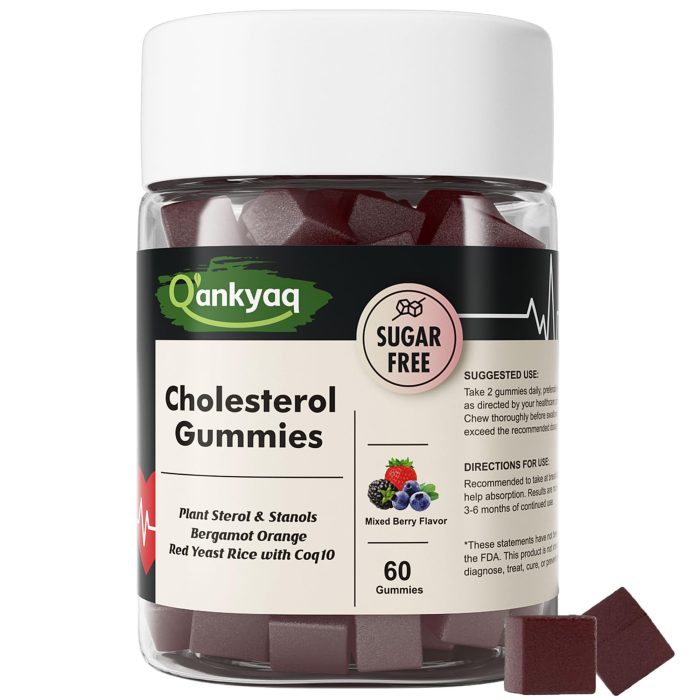

If you’ve been exploring natural ways to support heart health, you’ve likely come across plant stanols and sterols. These bioactive compounds, often grouped under the umbrella term phytosterols, are found in nuts, seeds, vegetable oils, and grains. Their real appeal lies in how they help manage cholesterol—specifically by reducing the intestinal absorption of cholesterol, which can translate into meaningful improvements in LDL levels for many adults.
How they work, simply put: plant sterols and stanols are structurally similar to cholesterol. In the digestive tract, they compete with cholesterol for incorporation into micelles—tiny carriers that help fats cross the intestinal wall. Because sterols and stanols “win” that competition, less dietary and biliary cholesterol is absorbed, and more is excreted. Over weeks, this can lead to LDL cholesterol reductions typically in the 7–12% range when consumed at effective doses—often alongside a balanced diet and regular activity. For some, combining plant stanols and sterols with physician-recommended therapies can offer complementary benefits, though it’s wise to discuss any changes with a healthcare professional.
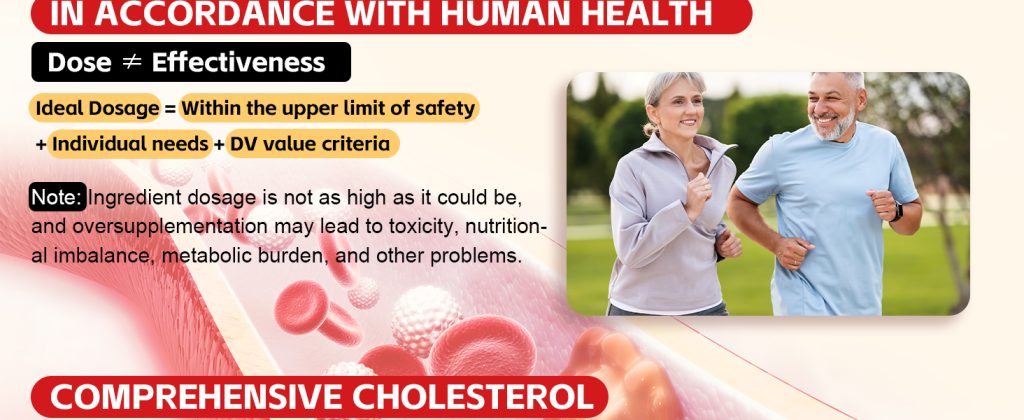
How to use them effectively: most clinical protocols center around daily intakes of about 1.5–3 grams of plant sterols or stanols, taken with meals, where they interact with the digestive process. You can find them in fortified foods (like spreads, yogurts, or beverages) or as dietary supplements. Consistency matters—small, regular amounts with food typically outperform sporadic use. Because sterols and stanols work on absorption rather than production, benefits are maintained only while you continue consuming them.
Safety and practical considerations: for most healthy adults, plant stanols and sterols are well tolerated. A few points to keep in mind:
- They may slightly lower blood levels of fat-soluble antioxidants like beta-carotene, so emphasize fruits and vegetables (especially colorful ones) to help balance intakes.
- Individuals with the rare genetic condition sitosterolemia should avoid phytosterols.
- Pregnant and breastfeeding women, as well as children, should consult healthcare providers before using concentrated sterol or stanol products.
- Taking them with meals enhances efficacy; timing away from food reduces impact.
Quality matters—and not all formats are equal. Sterols and stanols come in “free” and “esterified” forms; esterified versions are commonly used in functional foods because they disperse better in fat-containing matrices. In supplements, particle size, purity, and excipient selection affect stability and bioavailability. Thoughtful formulation can reduce off-notes, improve flow in manufacturing, and ensure reliable dosing from batch to batch.
As a health-supplement trading company, Qankyaq focuses on sourcing and supplying high-purity plant sterols and stanols that align with international quality standards. Our network emphasizes:
- GMP-compliant production and verified supply chains
- Tight specification control for sterol profiles (beta-sitosterol, campesterol, stigmasterol) and stanol content
- Application-ready formats, including esterified options for foods and optimized powders for capsules and tablets
- Technical support to help brand owners formulate for taste, stability, and label claims
Why the market is embracing phytosterols now: Consumer interest in non-pharmacological heart health solutions is rising, and regulators in many regions recognize that plant stanols and sterols can help lower LDL when consumed at effective daily intakes. Combined with lifestyle measures—a fiber-rich diet, weight management, and regular physical activity—they fit naturally into holistic wellness plans. For brands, this category offers a science-backed proposition that is familiar to consumers yet still ripe for innovation in delivery systems and taste.
If you’re building or expanding a cholesterol-support product line, consider how sterol or stanol complexes can complement your portfolio. Qankyaq can assist with raw materials, custom blends, and guidance on integrating plant stanols and sterols into functional foods or dietary supplements without compromising flavor, texture, or shelf life.
Bottom line: leveraging the well-documented mechanism of plant sterols and stanols—reducing cholesterol absorption—can provide a practical, evidence-based route to better LDL management. With quality sourcing, smart formulation, and consistent daily use, these natural compounds offer a clear, consumer-friendly path to heart health. For reliable supply and formulation support, connect with Qankyaq to bring robust phytosterol solutions to market.