
Consumers looking to support heart health naturally often turn to plant stanols and sterols foods. These plant-derived compounds are structurally similar to cholesterol and, when eaten regularly, they compete with cholesterol for absorption in the gut. The result is less cholesterol entering the bloodstream and more being excreted. Studies suggest that consistent intake can reduce LDL (“bad”) cholesterol as part of a balanced diet and active lifestyle.
Plant sterols and stanols occur naturally in small amounts in nuts, seeds, whole grains, legumes, and vegetable oils. However, typical diets only deliver modest quantities, so many people choose fortified options to reach effective daily levels. For most adults aiming to manage LDL, about 2 grams per day of plant sterols or stanols is the commonly cited target. While individual responses vary, many notice improvements in a few weeks when they combine these foods with a diet low in saturated fat and rich in fiber.
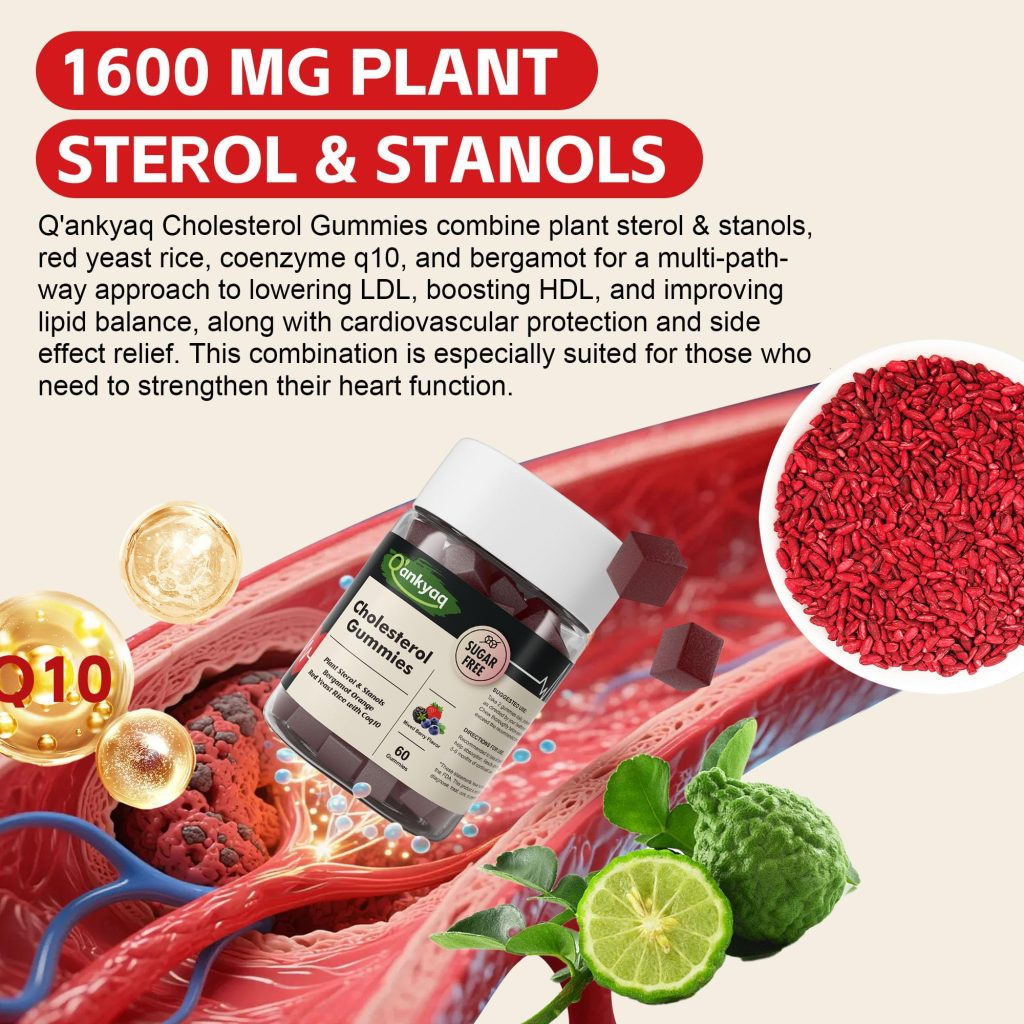
Popular plant stanols and sterols foods include:
- Fortified spreads and margarines designed for cholesterol management
- Yogurts, milks, and orange juices enriched with plant sterols/stanols
- Breakfast cereals and snack bars formulated with added sterols
- Natural sources such as almonds, pistachios, sunflower seeds, wheat germ, and canola oil
When choosing products, read labels carefully. Look for terms like “plant sterols,” “plant stanols,” “phytosterols,” or “added plant sterols/stanols,” and check the grams per serving. For best results, consume them with meals since dietary fats enhance absorption. It’s also wise to spread intake across the day to keep the effect consistent, for example by using a fortified spread at lunch and a sterol-enriched yogurt with dinner.
A few practical tips can help:
- Pair sterol-rich foods with heart-smart fats (olive oil, nuts) and soluble fiber (oats, beans) to support overall cholesterol management.
- Keep saturated fat and trans fat low; sterols work best within a healthy eating pattern.
- Maintain everyday habits—small, regular doses matter more than occasional large servings.
- Track progress with routine lipid panels and align food choices with your healthcare provider’s guidance.
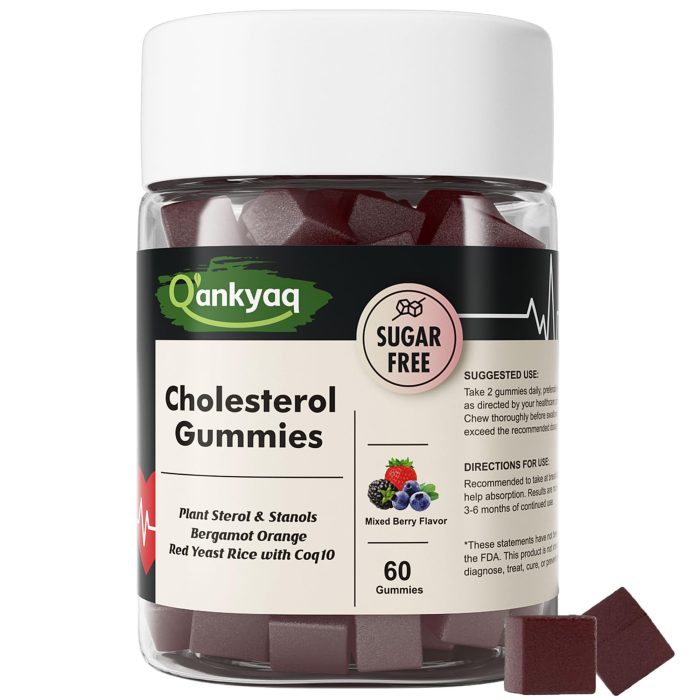
Some consumers prefer supplements when fortified foods aren’t convenient. Capsules and softgels containing plant sterols or stanols can be effective, especially for those watching calorie or sugar intake. As a health supplements trading company, Qankyaq supports brands and formulators seeking reliable phytosterol ingredients with clear specifications and quality documentation. Whether you choose food-based approaches or supplements, look for third-party testing, transparent sourcing, and products that state the sterol or stanol content per serving.
Safety-wise, plant sterols and stanols are well studied for adults. However, they are not intended for children unless advised by a healthcare professional, and individuals with rare conditions like sitosterolemia should avoid them. They primarily lower LDL cholesterol and typically have minimal impact on HDL or triglycerides. If you’re already on lipid-lowering medication, discuss sterol or stanol use with a clinician to ensure your regimen is coordinated.
Ultimately, plant stanols and sterols foods offer a practical, evidence-informed tool for cholesterol management. Think of them as part of a broader heart-health strategy that includes whole foods, exercise, restful sleep, and stress control. By choosing fortified products thoughtfully, prioritizing natural sources, and considering supplement options when needed, you can build a routine that’s sustainable and effective. And if you’re developing products for consumers who value science-backed nutrition, Qankyaq can help you source consistent, high-purity plant sterol and stanol ingredients to meet both regulatory and quality expectations.
In a world of quick fixes, the real advantage of plant sterols and stanols lies in steady, everyday habits. Combine them with smart dietary choices, and you’ll turn a simple meal plan into a meaningful step toward better heart health.