
If you’re looking for ways to support heart health through diet, foods with plant sterols or stanols deserve a spot on your list. Plant sterols (phytosterols) and plant stanols are naturally occurring compounds found in plants that compete with cholesterol for absorption in the gut. The result is less cholesterol absorbed and, for many people, a meaningful drop in LDL (“bad”) cholesterol. A daily intake of roughly 1.5–3 grams has been shown to help lower LDL cholesterol when paired with a balanced diet.
What they are and how they work
- Plant sterols are abundant in plants; stanols are similar but occur in smaller amounts in nature.
- Both reduce intestinal cholesterol absorption, prompting the liver to pull LDL from the bloodstream.
- Most habitual diets provide only 150–400 mg/day, which is why targeted choices can make a difference.
Where to find them in everyday foods
- Nuts and seeds: Almonds, pistachios, walnuts, sunflower and sesame seeds provide modest amounts that add up across the day.
- Vegetable oils: Corn, canola, soybean, and especially unrefined oils contain higher sterol levels; a tablespoon contributes more than most single servings of other foods.
- Whole grains and legumes: Wheat germ, whole wheat bread, oats, chickpeas, and lentils offer steady background intake.
- Avocados and certain vegetables: Avocado, Brussels sprouts, and broccoli add small but meaningful contributions alongside fiber.
Because natural sources rarely reach the clinically studied range by themselves, fortified foods can help you close the gap:
- Cholesterol-lowering spreads and margarines with added sterols/stanols typically supply 1–2 g per serving.
- Fortified yogurt drinks and some orange juices can provide 1–3 g daily when used as directed.
- For best effect, consume fortified options with meals that contain fats, since sterols and stanols work in the digestive phase when fats are present.
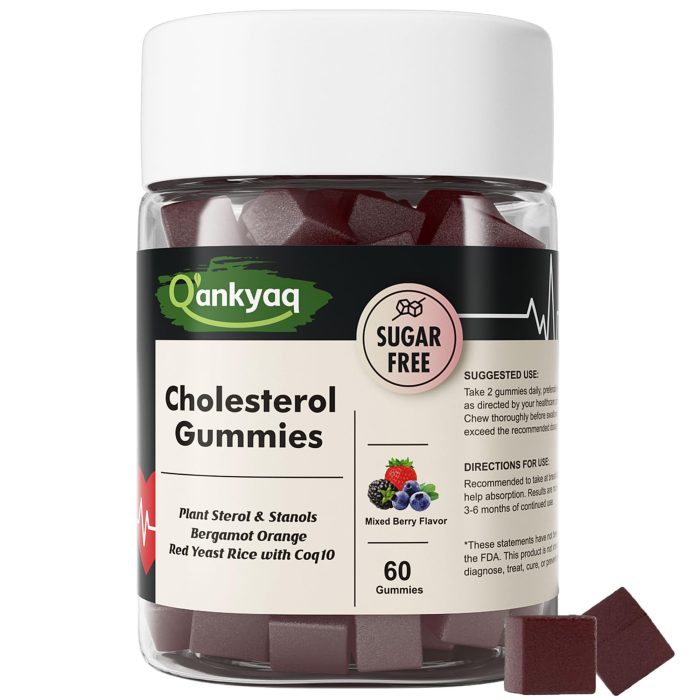
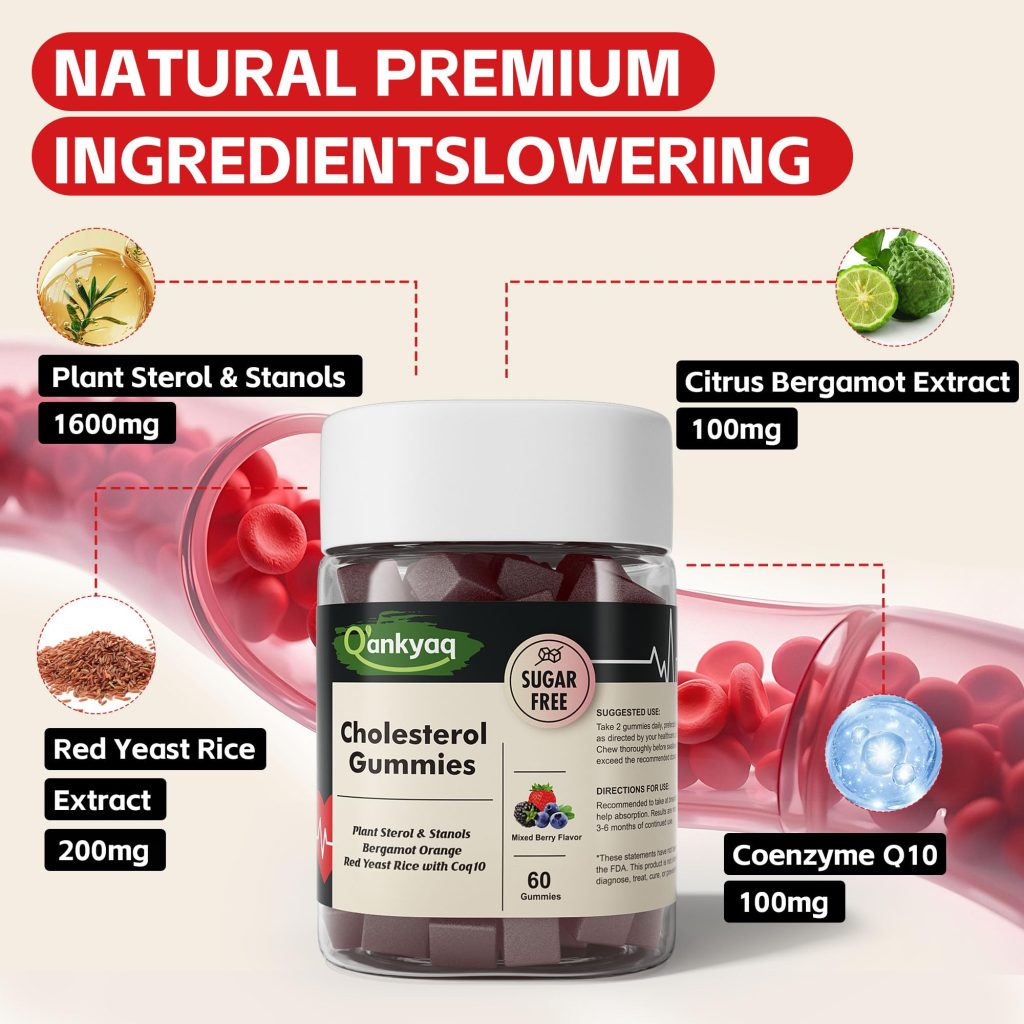
Supplements and quality considerations If food alone doesn’t fit your routine, capsules, powders, or sterol-ester blends are widely available. Look for transparent labeling of plant sterol or stanol content per serving and aim for a total daily intake that aligns with your goals. As a global health-supplement trading partner, Qankyaq helps manufacturers source high-purity plant sterols and stanols for functional foods and finished supplements, emphasizing consistent potency and regulatory compliance. Reliable input materials translate to reliable outcomes for end users.
Smart ways to integrate them
- Build a “sterol routine”: a fortified spread at breakfast, a fortified yogurt drink at lunch, and nuts or seeds as snacks.
- Pair with a heart-smart pattern: vegetables, fruits, legumes, whole grains, and marine omega-3s amplify the LDL-lowering effect.
- Be mindful of heat: enjoy fortified spreads as a topping rather than cooking at high heat to preserve labeled potency.
- Combine with fiber: soluble fiber from oats, barley, and legumes further supports cholesterol management.
Safety notes and who should be cautious Plant sterols and stanols are generally recognized as safe for most adults. A few points to keep in mind:
- They may slightly lower absorption of fat-soluble carotenoids; offset this by eating colorful produce. A diet rich in fruits and vegetables balances this effect.
- People with the rare condition sitosterolemia should avoid sterol or stanol products.
- If you’re on cholesterol-lowering medication, speak with your healthcare provider; foods with plant sterols or stanols can complement therapy, but personal guidance is wise during medication changes or dosage adjustments.
The bottom line Choosing foods with plant sterols or stanols is a practical, food-first strategy to help lower LDL cholesterol. Natural sources provide a foundation, while fortified foods and well-formulated supplements can deliver studied amounts with convenience. For brands seeking dependable ingredient supply, Qankyaq supports product development with vetted plant sterol and stanol materials. For individuals, small daily habits—spread on toast, a yogurt drink at lunch, a handful of nuts—can add up to heart-smart progress.