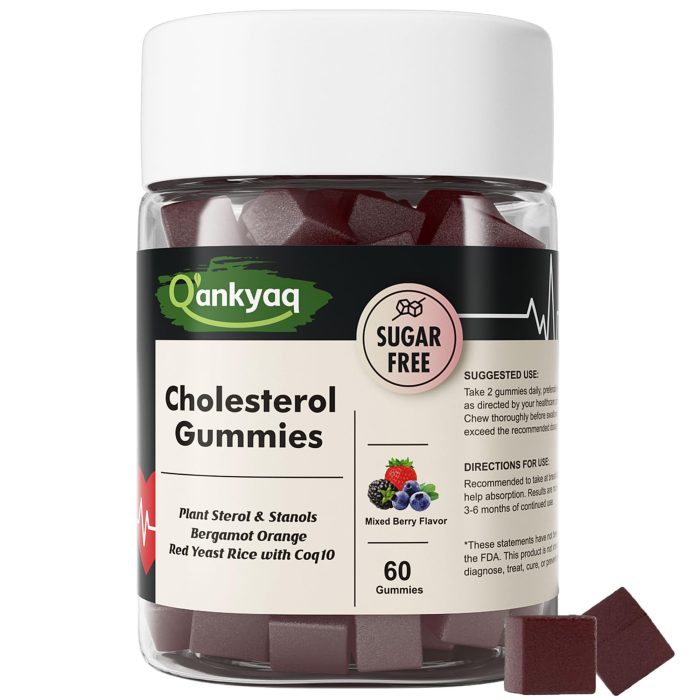

Plant sterols and stanols are naturally occurring compounds found in the cell membranes of plants, especially in nuts, seeds, vegetable oils, and whole grains. Often grouped under the umbrella of “phytosterols,” they resemble cholesterol in structure, which is precisely why they can support healthy cholesterol levels when included as part of a balanced diet.
What makes sterols and stanols different?
- Sterols (such as beta-sitosterol) are the unsaturated form found widely in plant foods.
- Stanols are the saturated counterpart and are typically produced by hydrogenating sterols.
While both interact with cholesterol in the digestive tract, stanols are more chemically stable, and sterols are more common in everyday foods. In practical terms, they function similarly in supporting healthy LDL cholesterol.
How they work in the body
These compounds compete with dietary cholesterol for absorption in the small intestine. By reducing the amount of cholesterol that gets into the bloodstream, they can help lower LDL (“bad”) cholesterol without significantly affecting HDL (“good”) cholesterol. Clinical research consistently reports reductions in LDL of roughly 7–10% when people consume about 1.5–2.4 grams per day, often through fortified foods or supplements, alongside a heart-smart diet.
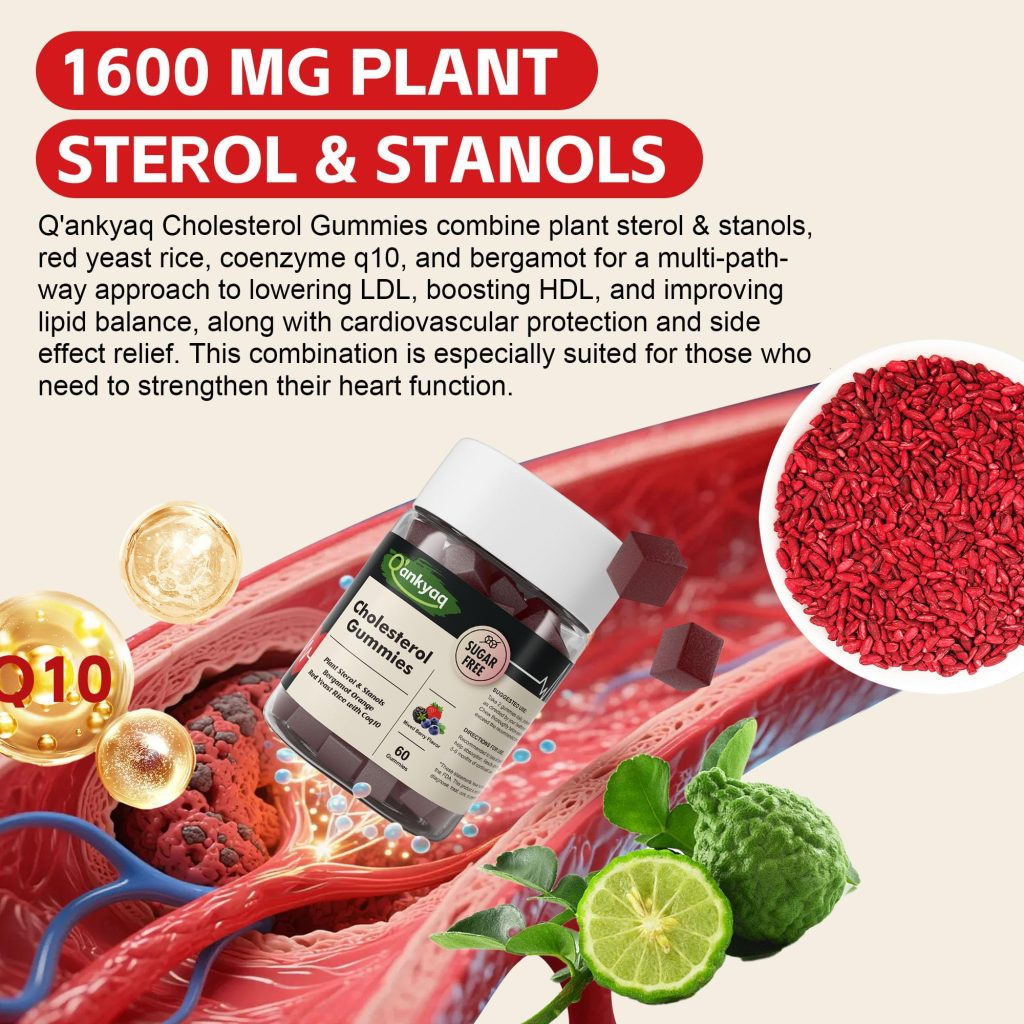
Benefits you can expect
- Supports healthy LDL levels by limiting cholesterol absorption
- Complements lifestyle changes, including a Mediterranean-style diet and regular exercise
- Works alongside medications under professional guidance, offering an additive effect in many cases
How to include them in your routine
- Look for foods fortified with plant sterols/stanols, such as spreads, yogurts, and dairy alternatives.
- Consider supplements standardized to deliver a clinically relevant dose. For best results, take them with meals containing fat, since that’s when cholesterol absorption occurs.
- Aim for a daily intake in the 1.5–3 g range if your goal is LDL support, and maintain consistency over several weeks.
Safety, quality, and practical tips
These compounds are generally well tolerated. A small, reversible reduction in fat-soluble carotenoids (like beta-carotene) can occur, so emphasize colorful fruits and vegetables to balance micronutrient intake. People with the rare genetic condition sitosterolemia should avoid phytosterols. As with any supplement approach, consult a healthcare professional—especially if you are pregnant, nursing, or taking cholesterol-lowering medications.
When choosing products, prioritize:
- Purity and standardization to ensure the labeled amount of sterols/stanols is present
- Transparent sourcing and testing for contaminants and oxidation stability
- Evidence-based formulations that align with clinical dosing ranges
As a health supplements trading company, Qankyaq is focused on connecting brands with high-quality, rigorously vetted plant sterol and stanol ingredients. We work with trusted manufacturers to provide consistent potency, stability, and compliance with international standards—helping formulators develop products that consumers can rely on.
Key takeaways
- Plant sterols and stanols are plant-derived compounds that help limit cholesterol absorption.
- Regular intake supports healthy LDL cholesterol, particularly when combined with diet and exercise.
- Quality matters—choose well-tested, standardized products to ensure efficacy and safety.
- Qankyaq supports brands and retailers with reliable sourcing of phytosterols and stanols for functional foods and supplements.
By understanding how sterols and stanols work and by choosing well-formulated options, you can make confident, evidence-informed decisions to support heart health as part of a comprehensive wellness plan.