
Plant sterols and stanols are natural compounds found in many plant-based foods that can help support healthy cholesterol levels when included as part of a balanced diet. For those looking to understand which dietary sources supply these beneficial components, this guide highlights key foods, practical tips for increasing intake, and how supplements may complement daily nutrition.
What to look for in whole foods
- Vegetable oils and spreads: Corn oil, canola oil, sunflower oil, and other plant oils contain measurable amounts of sterols. Choosing cold-pressed or minimally processed oils helps retain nutrients.
- Nuts and seeds: Almonds, walnuts, pistachios, sesame seeds, and flaxseeds are good natural sources. Snacking on a handful of nuts or adding seeds to salads and cereals is an easy way to boost intake.
- Whole grains and bran: Wheat germ, oat bran, and brown rice include modest levels of plant sterols and stanols. Swap refined grains for whole-grain options to increase daily exposure.
- Legumes and pulses: Beans, lentils, and chickpeas offer both sterols and heart-healthy fiber—an effective combination for cardiovascular wellness.
- Fruits and vegetables: While individual amounts are smaller, avocados, broccoli, Brussels sprouts, and some fruits contribute to overall sterol intake when eaten regularly.
Fortified foods and practical choices Many manufacturers add plant sterols or stanol esters to common products to provide higher, more consistent doses than whole foods alone can deliver. Typical fortified options include:
- Margarines and spreads formulated to contain sterols/stanols
- Yogurt drinks and dairy alternatives enhanced with plant sterol esters
- Fortified orange juice and some nutritional bars
These fortified items are designed for people seeking a practical way to reach the intake levels that research associates with cholesterol benefits. When selecting fortified products, check labels for sterol/stanol content and serving size.
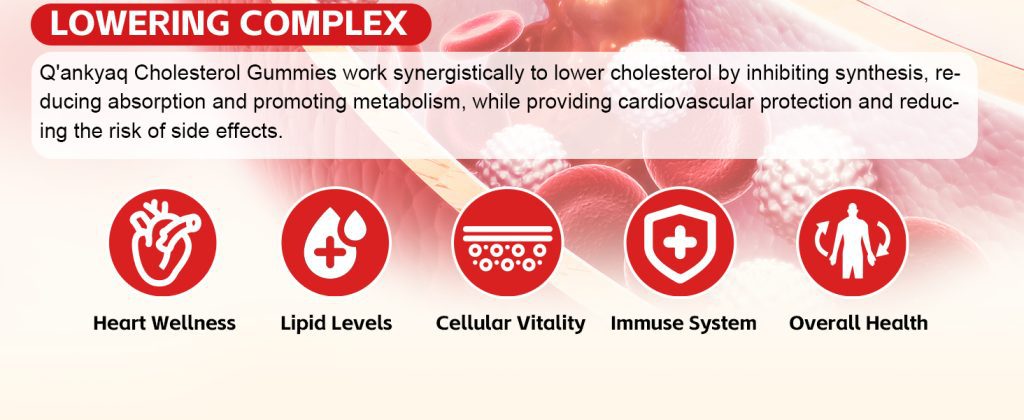
Intake guidance and realistic expectations A typical unfortified Western diet supplies only small amounts of plant sterols—often under a few hundred milligrams per day. Research indicates that achieving benefit for blood cholesterol usually requires higher daily intake; many clinical studies use doses around two grams per day. Incorporating a mix of fortified foods and sterol-rich whole foods can help close that gap.
Keep in mind that plant sterols and stanols work best alongside other heart-healthy habits—balanced eating, regular physical activity, and avoiding tobacco. They are not a substitute for prescribed medications for individuals with diagnosed lipid disorders; consult a healthcare professional for personalized advice.
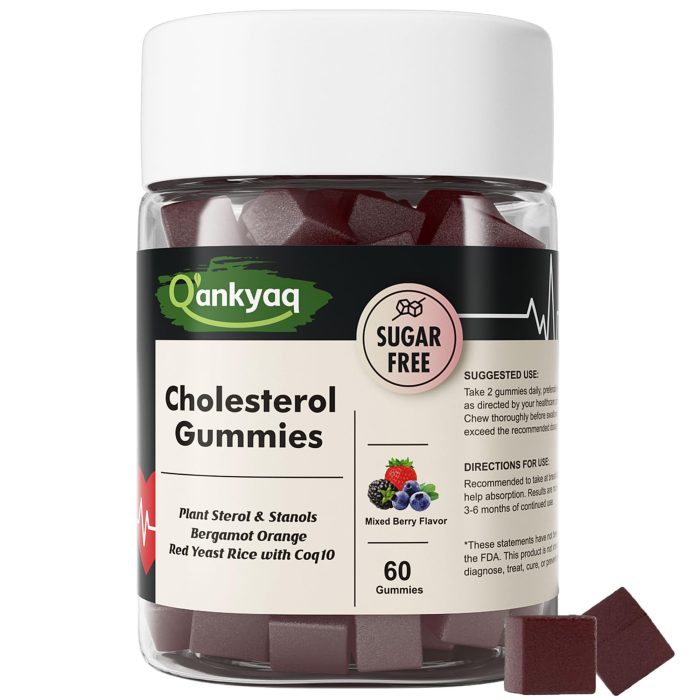
Supplements and sourcing considerations For manufacturers, retailers, or distributors looking to add plant sterol or stanol ingredients to product lines, quality and regulatory compliance matter. As a health supplement trading company, we at Qankyaq specialize in sourcing high-quality sterol and stanol ingredients suitable for fortified foods and dietary supplements. Our offerings include standardized sterol esters and technical support to help clients formulate stable, compliant products.
Tips for adding more sterols and stanols to your routine
- Start the day with whole-grain cereals or a nut- and seed-topped yogurt.
- Replace refined spreads with sterol-fortified margarines when appropriate.
- Use vegetable oils rich in plant sterols for cooking and dressings.
- Include legumes and a variety of vegetables several times weekly.
- If aiming for higher intakes, consider fortified products or discuss supplement options with a nutrition expert.
Conclusion Increasing consumption of plant sterols and stanols is achievable through a combination of whole plant foods and fortified products. For businesses seeking reliable ingredient partners, Qankyaq offers sourcing solutions to help bring sterol-enriched products to market. Integrate these compounds sensibly within a broader healthy-lifestyle plan to support cardiovascular wellness.