
Many people wonder what foods have plant sterols and stanols and how to include them in a heart-healthy diet. These naturally occurring compounds, found in the cell membranes of plants, are known for their ability to help lower LDL (“bad”) cholesterol by competing with dietary cholesterol for absorption. Understanding common sources and practical ways to consume them can make a real difference for consumers focused on cardiovascular wellness.
Natural food sources
- Vegetable oils and spreads: corn, soybean, and canola oils contain modest amounts of plant sterols. While the levels in unfortified oils are relatively low, fortified margarines and spreads can deliver higher, standardized doses that help meet recommended intake.
- Nuts and seeds: almonds, walnuts, pistachios, and sunflower seeds provide small but meaningful quantities. Regular inclusion as snacks or in meals increases overall intake.
- Whole grains and legumes: wheat germ, bran, oats, and legumes (such as beans and lentils) contribute sterols and stanols alongside fiber, which further supports cholesterol management.
- Fruits and vegetables: Avocado, Brussels sprouts, and certain leafy greens contain trace amounts. While not concentrated sources, they complement other sterol-rich foods in a balanced diet.
Fortified foods and supplements Because achieving the clinically effective dose through natural foods alone can be difficult, manufacturers often add plant sterols and stanols to foods. Common fortified items include:
- Spreads and margarines labeled as “plant sterol” or “stanol” enriched
- Fortified orange juices and dairy drinks
- Yogurt drinks and certain breakfast cereals
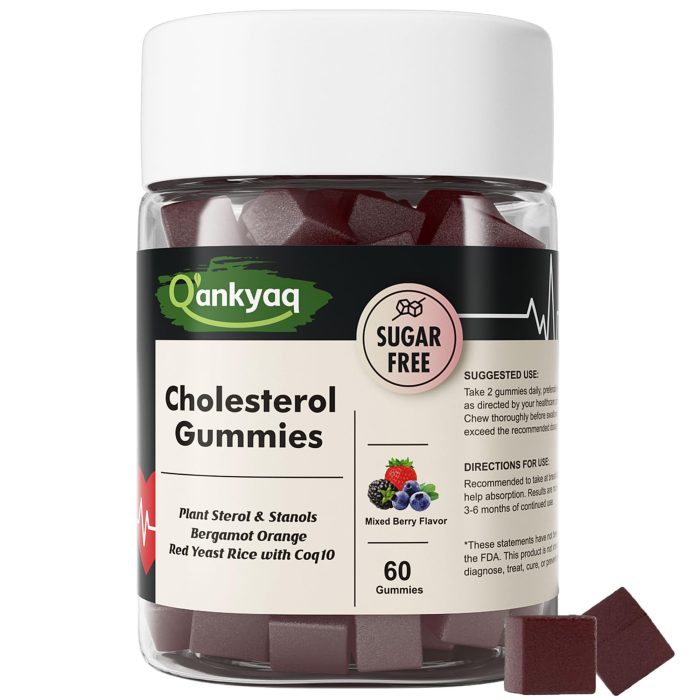
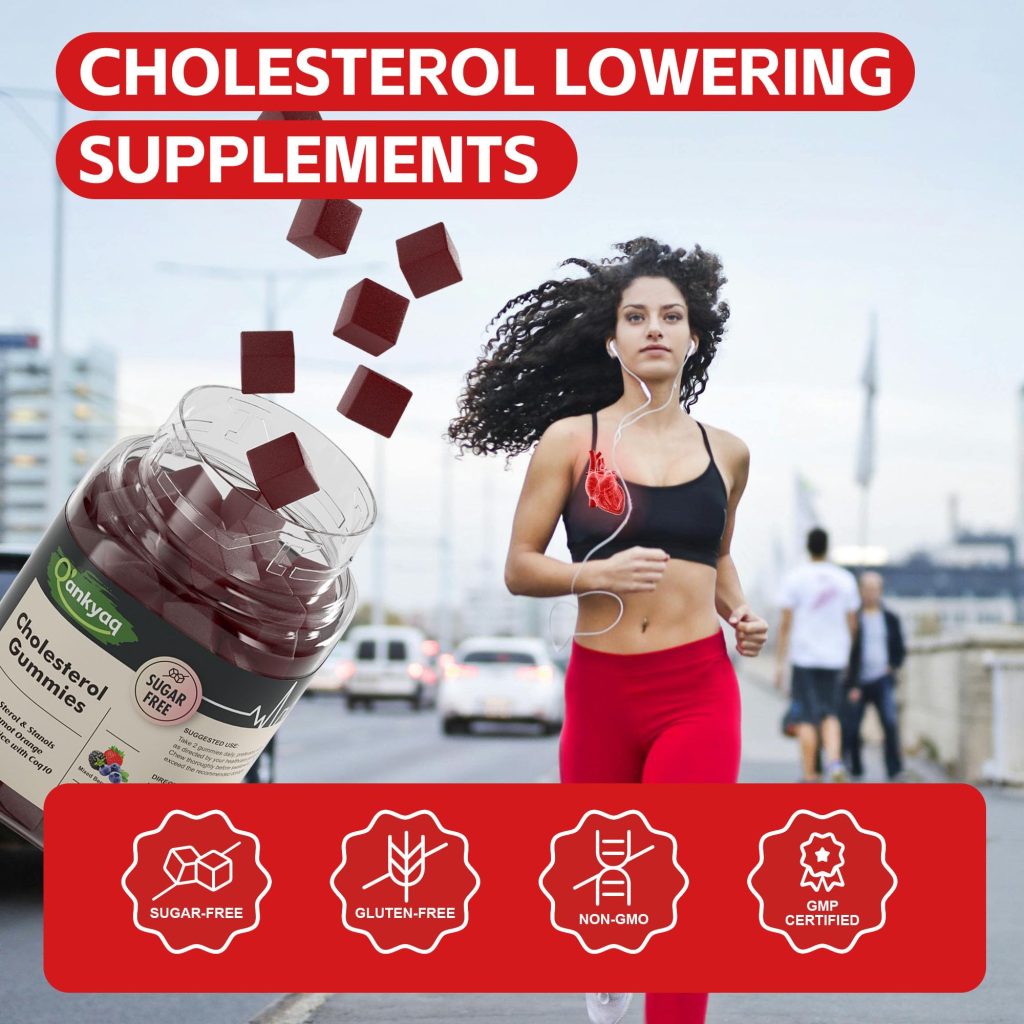
Clinical guidance suggests that consuming about 2 grams per day of plant sterols or stanols can reduce LDL cholesterol by around 7–10%. For many people, fortified foods or supplements provide the most reliable way to reach that level. As a supplements trading company, Qankyaq works with brands and retailers to source high-quality sterol-enriched formulations that meet regulatory and consumer expectations.
How to incorporate them into your routine
- Add a sterol-enriched spread to whole-grain toast or use it in recipes in place of butter.
- Blend fortified yogurt drinks into smoothies for a convenient cholesterol-supporting beverage.
- Combine nuts, seeds, and legumes into salads and grain bowls to boost sterol intake naturally while increasing fiber and other nutrients.
- Read labels carefully: look for product claims about plant sterol/stanol content and follow serving recommendations to reach therapeutic levels.
Safety and considerations Plant sterols and stanols are generally regarded as safe for most adults, but they are not a substitute for medications when prescribed. They work best as part of an overall heart-healthy diet that includes regular physical activity, weight management, and limited saturated and trans fats. Individuals with genetic lipid disorders, pregnant or breastfeeding women, and those on cholesterol-lowering medications should consult a healthcare professional before beginning sterol supplementation.
Choosing quality products Product quality and formulation matter. When selecting fortified foods or supplements, consider third-party testing, transparent labeling of sterol content, and reputable manufacturing practices. Companies like Qankyaq emphasize reliable sourcing and compliance, helping retailers and consumers access effective options that align with clinical recommendations.
Conclusion Knowing what foods have plant sterols and stanols empowers better dietary choices for cholesterol management. While nuts, seeds, whole grains, and certain vegetables contribute useful amounts, fortified foods and supplements are often necessary to reach the 2 grams per day demonstrated to lower LDL cholesterol. For suppliers and retailers seeking dependable sterol-enriched products, Qankyaq can provide sourcing support and product information to meet market needs. Always pair sterol intake with a balanced lifestyle and professional medical advice for optimal heart-health outcomes.