
In the world of fitness and bodybuilding, finding the right supplement to support muscle growth can be a daunting task. Among the myriad of options available, HMB (beta-hydroxy-beta-methylbutyrate) has gained considerable attention as a potential muscle-building supplement. Understanding how HMB compares to other supplements can help in making an informed decision.
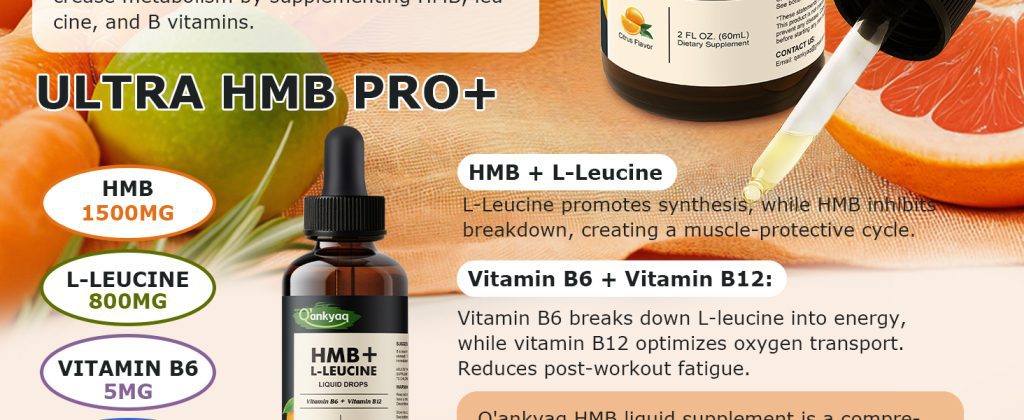
HMB is a metabolite of the amino acid leucine, which plays a vital role in muscle protein synthesis and muscle preservation. Unlike other supplements that often boast a wide range of ingredients, HMB focuses specifically on reducing muscle breakdown and promoting recovery. This singular focus makes it a valuable asset, particularly for those who are new to intense physical training or those who require enhanced recovery due to extensive workouts.
When talking about creatine, it is impossible to ignore its popularity in the muscle-building supplement market. Creatine is renowned for its ability to rapidly increase muscle mass and strength. While both HMB and creatine aim to support muscle growth, their mechanisms differ. HMB is primarily involved in decreasing muscle protein breakdown, whereas creatine enhances energy supply to muscles, allowing for improved performance and strength gains.
Protein supplements, particularly whey protein, are another staple in the muscle-building community. Protein plays a crucial role in providing the necessary amino acids for muscle repair and growth. Comparing this with HMB, while both aid in muscle development, protein supplements provide the building blocks, whereas HMB enhances muscle preservation and may aid in recovery by reducing muscle damage.
Another supplement often mentioned alongside HMB is branched-chain amino acids (BCAAs). BCAAs, like HMB, are centered around amino acids. They function by preventing muscle catabolism during workouts. While similar in their muscle-preserving roles, HMB has been found to be more effective in minimizing muscle damage compared to BCAAs, particularly during high-intensity training.
Incorporating HMB into a fitness regimen can be particularly beneficial for older adults or those just beginning their fitness journey. Research indicates that HMB may help in preserving lean muscle mass, especially in individuals who may not be able to engage in highly intense workouts. This makes it a versatile supplement within the Q’ankyaq product line, catering to a broader audience seeking muscle maintenance and growth through supplementation.
Safety and dosage also play a critical role in choosing a supplement. HMB is generally considered safe with few reported side effects, making it a suitable option for long-term use. The typical dosage for effective results is around 3 grams per day, which aligns well with standard recommendations and fits seamlessly into most supplement routines.
In conclusion, selecting the right muscle-building supplement depends on individual fitness goals and physiological responses. HMB stands out for its targeted benefits in preserving muscle mass and aiding recovery without the broader range of effects seen with supplements like creatine or protein powders. For those in the market for a supplement that supports muscle health and recovery without unnecessary ingredients, HMB, as offered by Q’ankyaq, presents a compelling choice that aligns well with muscle preservation and enhancement goals.