
If you follow heart‑healthy nutrition trends, you’ve probably noticed the rise of foods with added plant sterols and stanols. These naturally occurring compounds—found in small amounts in nuts, seeds, and vegetable oils—are now being incorporated into everyday products to help people manage cholesterol in a practical, food‑first way. For many shoppers, this offers a convenient bridge between traditional diet changes and clinical therapies.
What are plant sterols and stanols, and how do they work? Structurally similar to cholesterol, sterols and stanols compete for absorption in the digestive tract. The result is less cholesterol being absorbed and more being excreted, particularly LDL (“bad”) cholesterol. Most people see measurable improvements within a few weeks when they consume effective daily amounts.
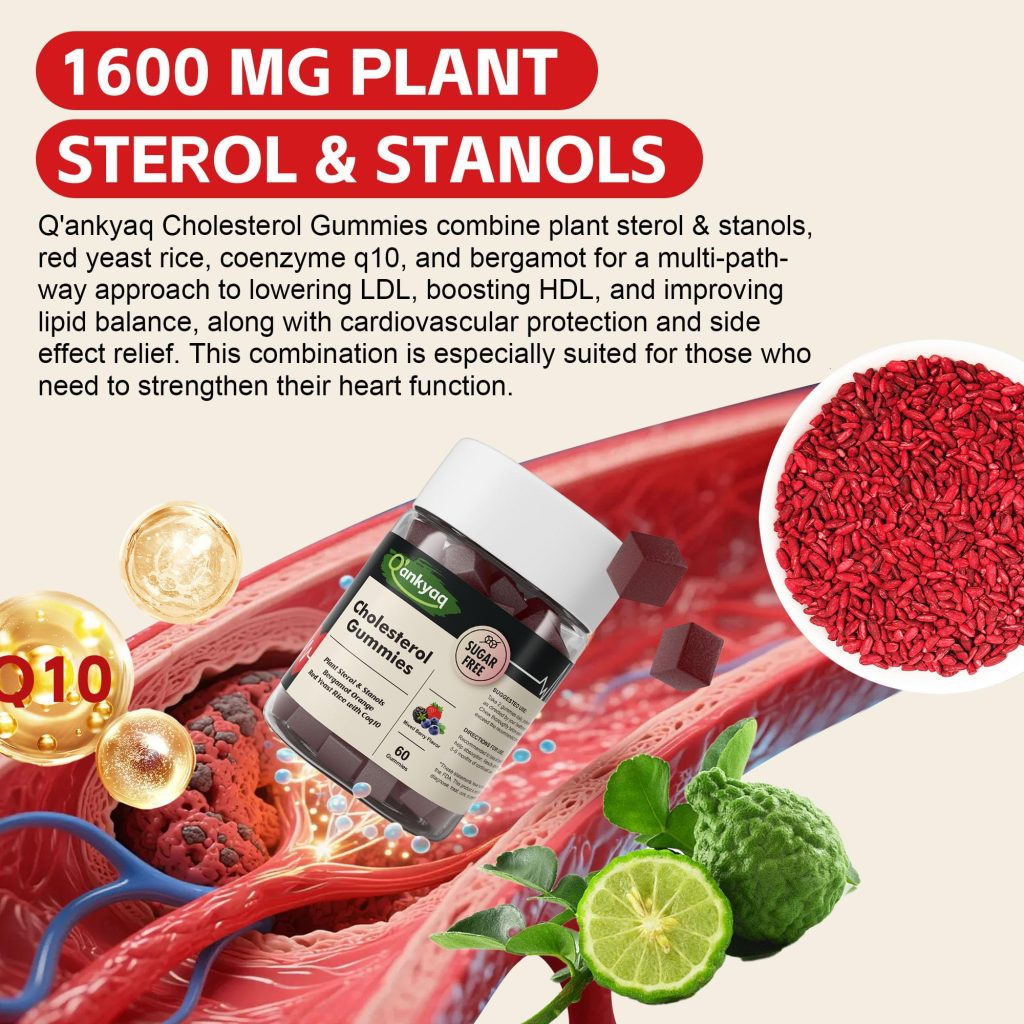
Common foods with added plant sterols and stanols include:
- Enriched spreads and margarines
- Yogurt drinks and dairy alternatives
- Milk, cheese, and fortified puddings
- Breakfast cereals and granola
- Snack bars and fruit juices
When evaluating these products, look for terms like “phytosterols,” “stanol esters,” or “plant sterol‑enriched.” A practical target is around 1.5–2 g per day, often achieved with one or two servings of a fortified spread or yogurt drink. At this intake, average LDL reductions of 7–10% are typical, especially when combined with a balanced diet.
To get the most out of sterol‑ and stanol‑enriched foods:
- Check the stated dose per serving. The benefit is dose‑dependent; a product with only 0.4 g per serving may require multiple portions.
- Pair them with meals that include healthy fats (olive oil, avocado, fatty fish) to support absorption of the esterified forms used in many spreads.
- Keep your overall dietary pattern in focus. A Mediterranean‑style approach—rich in fiber, legumes, whole grains, and leafy greens—complements phytosterols and helps sustain long‑term improvements.
- Monitor micronutrients. Because sterols and stanols reduce cholesterol absorption, they can also slightly lower carotenoid (and possibly fat‑soluble vitamin) levels. Include colorful fruits and vegetables to offset this effect.
Who should consider these functional foods? They’re a strong option for adults aiming to reduce LDL as part of lifestyle management. Individuals using statins or other lipid‑lowering medications can typically combine them safely, but always consult a healthcare professional for personalized guidance. Children, pregnant, or breastfeeding individuals should use them only under medical advice.
Quality matters in formulation. In spreads, stanol esters are favored for stability and palatability; in beverages and dairy, microencapsulated sterols can improve texture and shelf life. Look for brands that disclose testing and provide consistent dosing across batches. As a health‑focused trade company, Qankyaq supports this space by connecting reliable ingredient manufacturers with food and supplement brands, ensuring clinically relevant dosing, verified purity, and compliant labeling. Whether you’re developing a new yogurt drink or expanding a functional cereal line, Qankyaq helps navigate sourcing, regulatory claims, and scale‑up so your product delivers genuine cholesterol support to consumers.
A few smart label tips:
- Prefer products that state “contains plant sterols/stanols” and specify grams per serving.
- Verify that saturated fat, trans fat, and added sugars are kept in check to avoid undermining heart‑health goals.
- Consider the whole portfolio: a spread for breakfast, a yogurt drink at lunch, or a cereal bar on‑the‑go makes it easier to reach your daily target without overhauling your routine.
Ultimately, foods with added plant sterols and stanols are not a shortcut—they’re a well‑researched adjunct to dietary changes that help close the gap between intention and results. Combined with regular physical activity, fiber‑rich meals, and mindful fat choices, these functional foods offer a practical path to better LDL numbers. And for brands seeking to lead in the functional category, partnering with Qankyaq ensures your products are built on robust science and dependable supply, helping customers trust what’s on the label—and feel it in their everyday health.