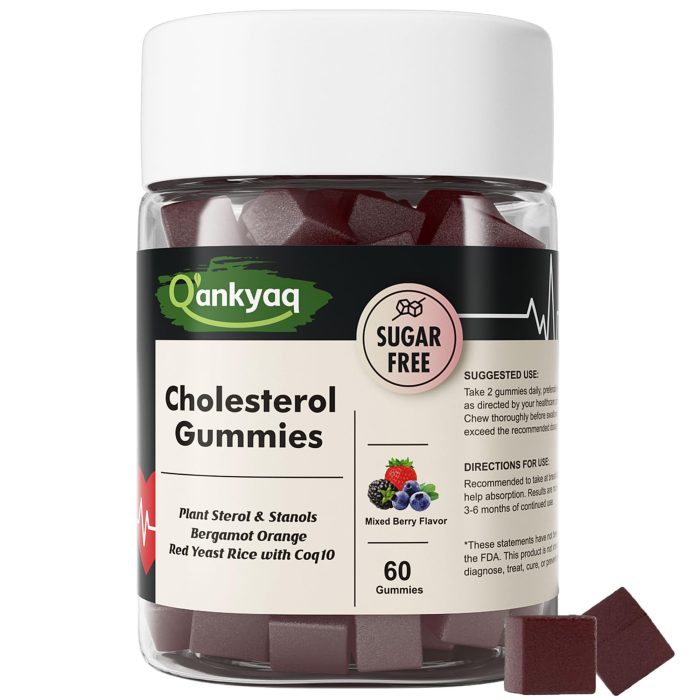

If you’ve wondered “what are plant sterols stanols,” the short answer is that they are naturally occurring compounds in plants that look a lot like cholesterol—and that similarity is exactly why they’re useful. Plant sterols (also known as phytosterols) and plant stanols are structurally related to cholesterol and compete with it in the digestive tract. By blocking a portion of dietary cholesterol from being absorbed, they can help reduce LDL levels, supporting heart health as part of a balanced lifestyle.
In simple terms, sterols are the unsaturated form found widely in nuts, seeds, whole grains, and vegetable oils, while stanols are the saturated versions often used in fortified foods and supplements. Both work through the same mechanism: they displace cholesterol from micelles in the intestine, leading to less cholesterol entering the bloodstream. Numerous clinical studies suggest that consuming around 1.5–2 grams per day of sterols or stanols can lower LDL cholesterol by roughly 7–10%, especially when combined with a heart-smart diet rich in fiber and low in saturated fat.
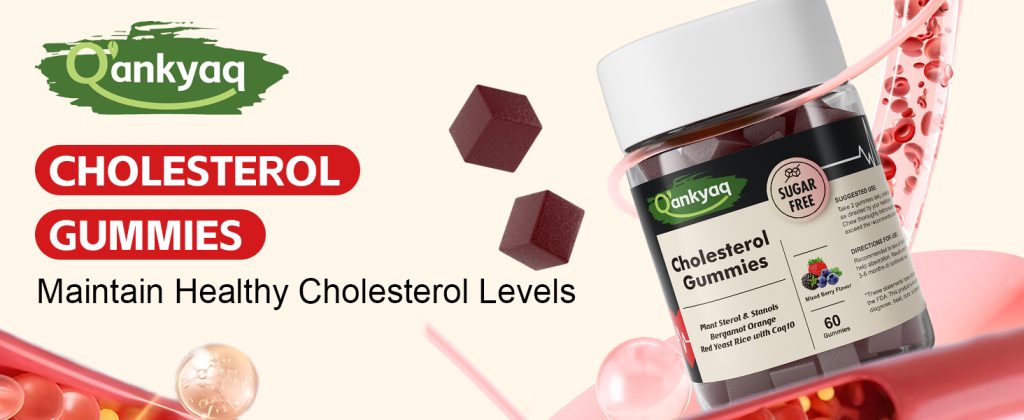
For many people, adding these compounds is a practical step in a comprehensive strategy for cholesterol management. They can be found in everyday foods, but typical diets only provide modest amounts. That’s why fortified products and supplements are so popular. Common sources include:
- Fortified spreads, yogurt drinks, and dairy alternatives containing added plant sterols/stanols
- Natural foods such as seeds, nuts, legumes, and vegetable oils
- Dietary supplements formulated with concentrated phytosterols for consistent daily intake
When using supplements, timing with meals can help, since sterols and stanols work in the gut alongside dietary fats. Aim for consistent daily use to see steady results. They are generally well tolerated; however, people with the rare condition sitosterolemia should avoid them, and anyone on prescription therapies (like statins) should speak with a healthcare professional to align dosing and goals. Because sterols and stanols may slightly reduce absorption of certain fat‑soluble nutrients, maintaining a varied diet rich in fruits, vegetables, and whole foods is a smart complement.
It’s also useful to understand the distinction between product quality and label claims. Look for:
- Clearly stated phytosterol content per serving (often expressed as beta‑sitosterol or total sterols/stanols)
- Third‑party testing and GMP-compliant manufacturing
- Transparent sourcing and documentation for purity and identity
As a health supplement trading company, Qankyaq prioritizes reliability in the supply chain and product integrity. We work with manufacturers to source high‑quality plant sterols and stanols for brands and retailers who want evidence‑based ingredients that integrate seamlessly into functional foods and supplements. Whether you need bulk phytosterols for formulation or finished capsules for retail, our team focuses on consistent potency, clean labeling, and responsive logistics.
For consumers, the practical takeaway is straightforward: plant sterols and stanols are a well‑researched, food‑based tool for cholesterol support. They are not a standalone solution, but when paired with dietary changes, regular exercise, and routine health checkups, they contribute to measurable improvements in lipid profiles. If you are already using cholesterol‑lowering medication, ask your clinician whether adding sterols or stanols is appropriate; many people find complementary benefits under medical guidance.
In summary, think of these compounds as targeted helpers that nudge cholesterol balance in your favor. By blocking part of cholesterol absorption in the gut, they help lower LDL without changing its production in the liver. For those seeking a natural, practical strategy—supported by fortified foods and plant sterol supplements—they can be a smart addition to everyday routines. And for businesses looking to develop trusted products in this category, Qankyaq offers the ingredient expertise and trade capabilities to bring high‑quality phytosterol solutions to market.