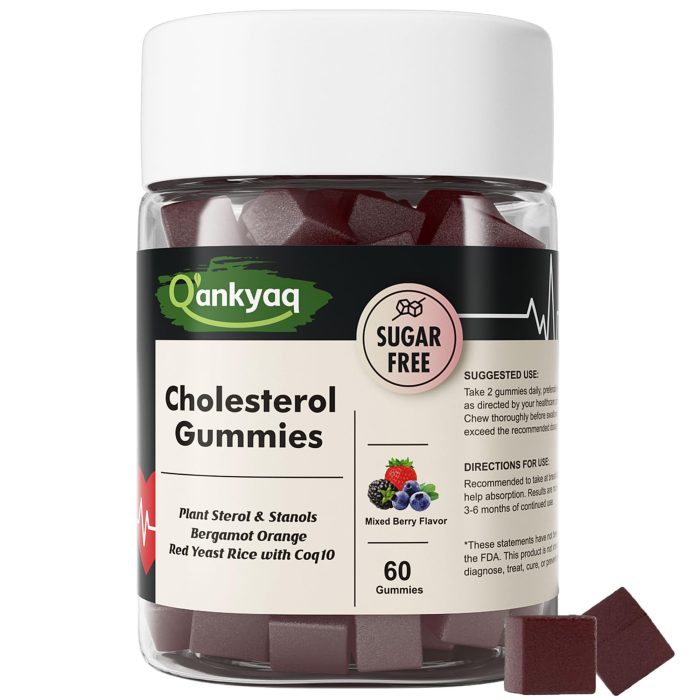

Understanding the role of plant-derived sterols and stanols can help consumers and healthcare professionals make smarter choices about heart health and dietary supplements. As a trading company specializing in nutritional ingredients, Qankyaq provides high-quality plant sterol and stanol ingredients designed for functional foods and supplement formulations.
What plant sterols and stanols are and how they work Plant sterols (phytosterols) and plant stanols are naturally occurring compounds found in fruits, vegetables, nuts, seeds, and vegetable oils. Structurally similar to cholesterol, these molecules compete with dietary and biliary cholesterol for absorption in the intestine. By blocking cholesterol uptake, plant sterols and stanols can reduce the amount of cholesterol that enters the bloodstream, which is why they are commonly included in products aimed at improving cardiovascular risk profiles.
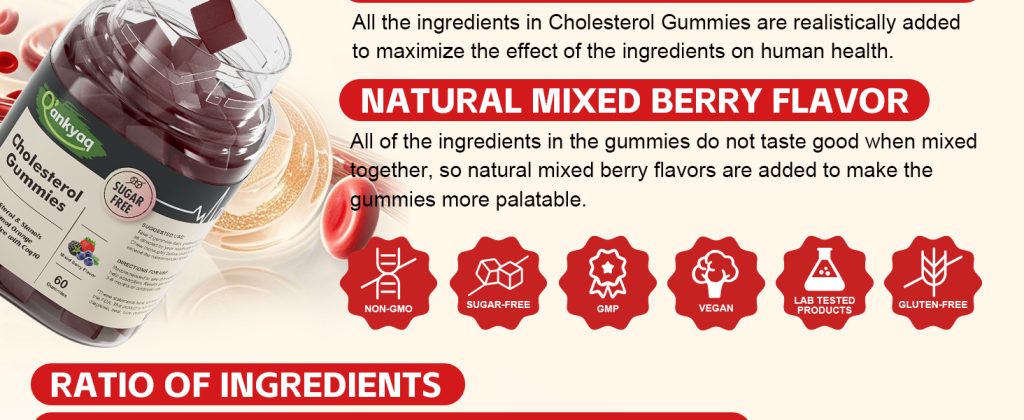
Key benefits backed by research Numerous clinical studies have shown that a daily intake of plant sterols or stanols can help lower LDL (“bad”) cholesterol. Typical effects produce a reduction in LDL cholesterol of about 5–15% when consumed at effective doses. Although the impact on long-term outcomes such as heart attacks is still under study, lowering LDL is widely accepted as a positive step for heart health. Because these compounds act locally in the gut rather than systemically, they are generally well tolerated.
Dietary sources and supplement forms Natural food sources include vegetable oils, nuts, seeds, whole grains, and some fruits and vegetables, but typical diets rarely provide therapeutic amounts. To reach clinically effective levels, plant sterols and stanols are often added to fortified foods—such as margarines, yogurts, and spreads—or delivered as concentrated dietary supplements. Qankyaq supplies standardized sterol and stanol ingredients suitable for both functional-food manufacturing and capsule or tablet formulations.
Recommended intake and safe use Clinical evidence supports daily intakes around 1.5–3 grams to achieve meaningful LDL reductions. Products containing plant sterols or stanols should clearly display serving size and active content to help consumers meet recommended amounts. Generally safe for adults, these compounds can slightly reduce absorption of fat-soluble vitamins (like carotenoids and vitamin E), so balancing diet and monitoring nutrient status is advisable with long-term use.
Who may benefit and precautions Individuals with mildly to moderately elevated LDL cholesterol who prefer dietary or supplemental approaches can find plant sterols and stanols a useful addition to lifestyle changes such as improved diet and increased exercise. People taking cholesterol-lowering medications should consult a healthcare provider before combining therapies; while sterols/stanols are complementary to many interventions, individualized medical advice ensures safety and optimal results. They are not intended as a replacement for prescribed treatments for high cholesterol without professional consultation.
Choosing quality ingredients and products Not all sterol or stanol ingredients are created equal. For manufacturers and private-label brands, partnering with a reliable supplier is essential to ensure potency, stability, and regulatory compliance. Qankyaq focuses on traceable, GMP-compliant sterol and stanol ingredients that meet industry standards and can be formulated into consumer-friendly products.
Final considerations Plant sterols and stanols offer a practical, evidence-based option for lowering LDL cholesterol when used correctly. Incorporating them through fortified foods or quality supplements — alongside a heart-healthy diet and medical guidance — can contribute to better cholesterol management. For manufacturers or retailers interested in sourcing premium plant sterol and stanol ingredients, Qankyaq can provide specifications, samples, and regulatory support to streamline product development.