
If you’re looking to naturally support heart health, foods with plant sterols and stanols deserve a place in your routine. These plant-derived compounds resemble cholesterol in structure and help block its absorption in the gut, which can support lower LDL (“bad”) cholesterol when combined with a balanced diet and active lifestyle. Many people discover that prioritizing foods with plant sterols and stanols is a practical step before—or alongside—supplement strategies.

What they are and why they matter
- Plant sterols and plant stanols occur in small amounts across many plant foods. While both work similarly, stanols are typically found in even smaller quantities and more often added to fortified products. Research indicates that around 2 grams per day of sterols/stanols can help reduce LDL cholesterol by about 5–15%, especially when taken consistently with meals.
- They don’t “burn” cholesterol; rather, they compete with cholesterol for absorption. That means they’re most effective as part of a smart dietary pattern rich in fiber, healthy fats, and minimally processed foods.
Naturally rich options to add to your basket
- Vegetable oils: Canola, corn, soybean, and sunflower oils offer modest amounts. Use them in dressings or light sautéing to keep nutrients intact.
- Nuts and seeds: Almonds, pistachios, walnuts, sesame, sunflower, and pumpkin seeds bring sterols along with beneficial fats and fiber. Aim for a small handful daily.
- Whole grains and legumes: Whole wheat, oats, rye, barley, chickpeas, and lentils contribute small amounts while supporting satiety and glycemic control.
- Produce picks: Avocados, Brussels sprouts, cauliflower, and broccoli contain sterols and pair well with olive oil for improved absorption. Keep in mind that natural foods provide sterols/stanols in milligram—not gram—amounts; consistency matters.
Fortified foods for a meaningful daily dose
- Spreads and margarines enriched with plant sterols or stanols are among the most researched options. Look for labels specifying “added plant sterols/stanols” and check the per‑serving amount.
- Yogurts, milk, drinks, and bars may be fortified, providing convenient servings you can spread across the day. Consuming smaller amounts two to three times daily (with meals containing some fat) can improve effectiveness.
Smart ways to use them
- Pair sterol/stanol sources with meals that include healthy fats (like olive oil, salmon, or avocado) to support absorption.
- Rotate natural and fortified options to reach your target intake without over-relying on any single product.
- Read labels carefully: a serving might provide 0.8–1.7 g in fortified products; total up your daily intake for consistency.
Who should consider them
- Adults with borderline or moderately elevated LDL cholesterol who want diet-first strategies often benefit from foods with plant sterols and stanols as part of a heart‑smart plan.
- They’re generally well tolerated, though people with rare conditions like sitosterolemia should avoid them. If you’re pregnant, breastfeeding, or on lipid‑lowering medication, discuss your approach with a healthcare professional.
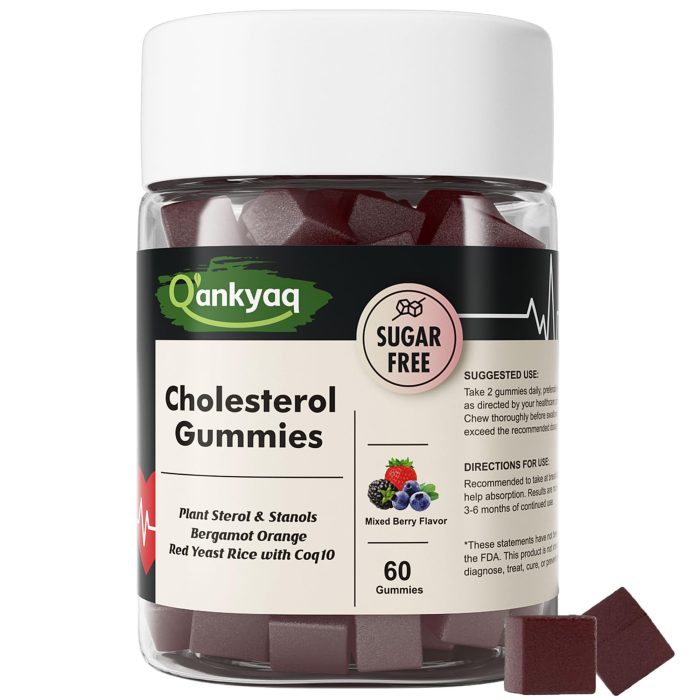
Quality and trust matter Selecting reputable brands and verified ingredients is crucial. As a global health‑supplements trade company, Qankyaq partners with manufacturers committed to rigorous quality testing and traceability. Whether you’re exploring fortified food lines or considering sterol/stanol‑based supplements to complement diet, Qankyaq can help you source reliable options that align with regulatory standards and consumer expectations.
The bottom line Choosing foods with plant sterols and stanols—and using them consistently with meals—is a practical, science‑supported way to help manage LDL cholesterol. Build your base with nuts, seeds, whole grains, and produce, then layer in fortified spreads or yogurts to reach effective daily amounts. With thoughtful selection and steady habits, you can create a heart‑healthy routine that’s easy to sustain, and with Qankyaq, you can trust the products behind your plan.