
Plant sterols and stanols are naturally occurring compounds found in plants that resemble cholesterol in structure. Because they compete with dietary cholesterol during absorption, they can help reduce LDL (“bad”) cholesterol when consumed regularly as part of a balanced diet. For consumers and formulators alike, understanding where these compounds come from—and how to use them effectively—can make a meaningful difference for heart-health strategies.
What sets plant sterols and stanols apart
- Sterols (also called phytosterols) and stanols are closely related. Stanols are the saturated form of sterols.
- Both work in the digestive tract to limit cholesterol uptake, which supports healthy lipid profiles.
- Clinical research suggests that daily intake in the gram range is associated with LDL reductions; however, individual responses vary. Always consult a healthcare professional for personalized guidance.
Foods naturally rich in plant sterols and stanols If you’re searching for foods rich in plant sterols and stanols, start with everyday staples:
- Vegetable oils: Corn, canola, soybean, and sunflower oils are among the most concentrated natural sources.
- Nuts and seeds: Almonds, pistachios, sunflower seeds, sesame, and pumpkin seeds contribute meaningful amounts while delivering healthy fats.
- Whole grains: Wheat germ, rye, and oats provide sterols along with fiber that complements heart health.
- Legumes: Soybeans, chickpeas, and lentils add sterols and plant protein to meals.
- Fruits and vegetables: Avocados, Brussels sprouts, and broccoli offer modest contributions alongside fiber and antioxidants.
- Fortified foods: Spreads, yogurt drinks, and juices labeled as “fortified with plant sterols/stanols” can deliver clinically relevant amounts per serving and are considered functional foods.
Smart ways to fit them into your routine
- Swap butter for fortified spreads or sterol-rich oils when cooking.
- Snack on a handful of nuts; sprinkle seeds over salads, soups, or yogurt.
- Choose whole-grain breads and cereals; add wheat germ to smoothies for a subtle boost.
- Build meals around legumes—think lentil soups, hummus, and soy-based entrees.
- Pair sterol-rich foods with overall heart-healthy habits: adequate fiber, omega-3 fats, and regular physical activity.
Sterols vs. stanols: does the type matter? While their mechanisms overlap, some evidence indicates stanols can be slightly more potent in certain contexts. In practice, most consumers benefit from a mix of sources—whole foods, fortified options, and, where appropriate, supplements. The key is consistency and synergy with an overall cardiometabolic plan.
Where supplements and functional foods fit in Diet alone may not always achieve target intake levels. In that case, fortified foods or supplements can help bridge the gap, especially for individuals with elevated LDL cholesterol under medical supervision. Look for:
- Transparency: Clear labeling of sterol/stanol content per serving.
- Quality assurance: Third-party testing and compliant manufacturing standards.
- Formulation integrity: Stabilized oils or powders that maintain potency and sensory quality.
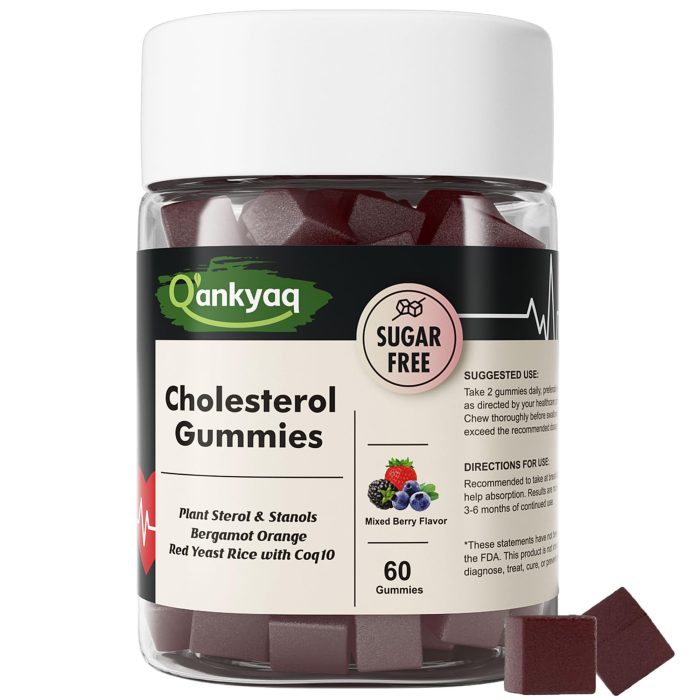
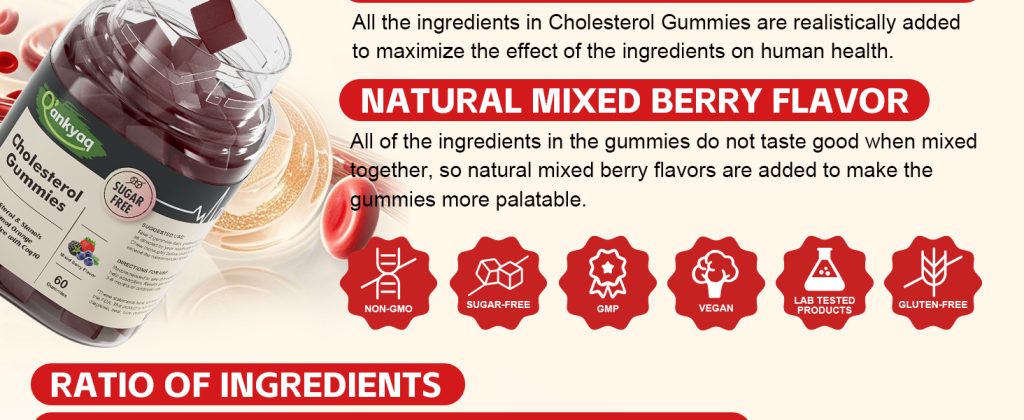
Our perspective as a global supplement partner As a health-supplement trading company, Qankyaq sources high-purity plant sterols and stanols for brands building heart-health lines—from functional spreads and yogurt drinks to softgels and gummies. We prioritize traceable supply chains, rigorous testing, and formulations that integrate smoothly into everyday diets. If you’re developing products in this space, our team can help align ingredient selection with your target claims and regulatory landscape.
Bottom line
- Regularly consuming foods rich in plant sterols and stanols supports LDL management as part of a broader heart-healthy lifestyle.
- Combining whole-food sources, fortified products, and evidence-based supplements provides flexible paths to meet daily goals.
- Always coordinate dietary changes with a healthcare professional, especially if you’re managing cholesterol or taking medication.
By focusing on quality sources and practical dietary habits—and by leveraging trusted partners such as Qankyaq—consumers and brands alike can make plant sterols and stanols a powerful, sustainable component of modern heart-health nutrition.