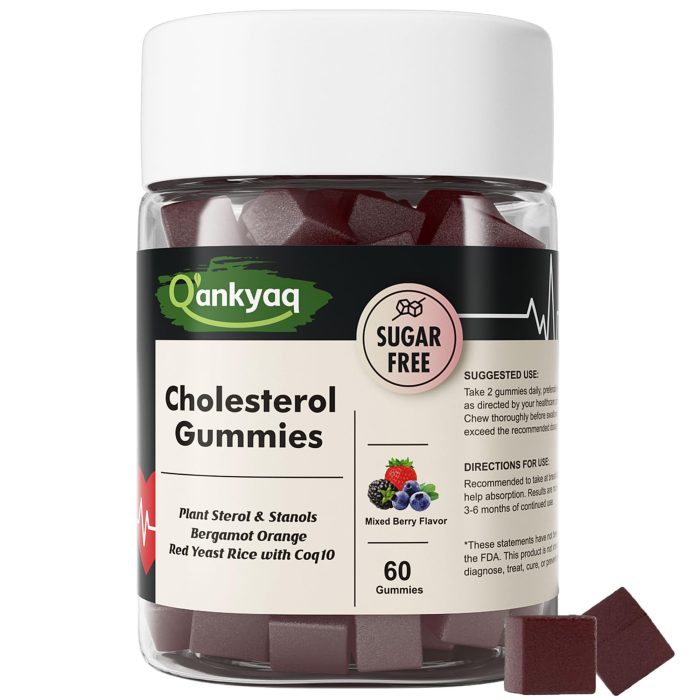

Plant sterols and stanols are naturally occurring compounds found in vegetables, nuts, seeds and plant oils. When formulated into a dietary product, a plant sterols and stanols supplement aims to support healthy blood lipid levels by reducing the amount of cholesterol absorbed in the gut. For consumers looking for evidence-based, food-derived options, these supplements are a convenient complement to diet and lifestyle measures.
How they work Plant sterols and stanols closely resemble cholesterol in structure. When consumed, they compete with dietary and biliary cholesterol for absorption in the intestines. The result is that less cholesterol enters the bloodstream and more is excreted. Clinical studies indicate that consistent intake can lead to measurable reductions in LDL (“bad”) cholesterol, especially when combined with a heart-healthy diet and regular exercise.
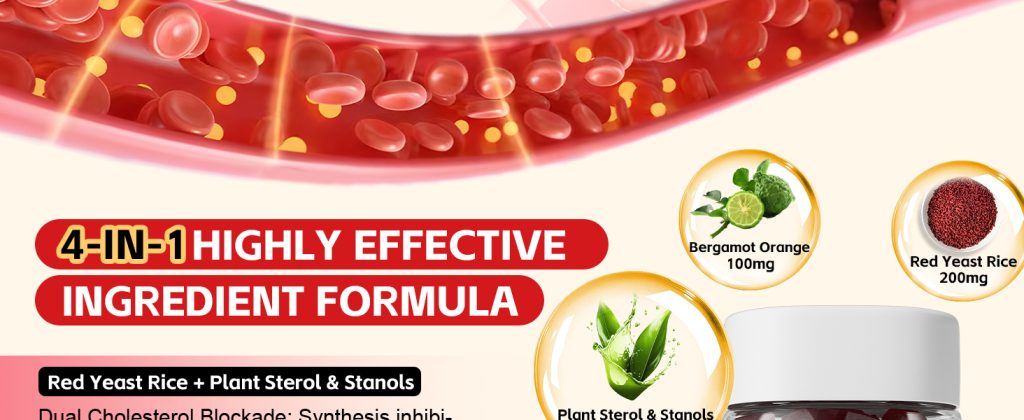
What the research says Multiple randomized trials have evaluated sterols and stanols. While individual responses vary, a large body of evidence supports their modest but reliable effect on lowering LDL cholesterol. Typical reductions in LDL are often seen when daily intake is in the range used in studies. It’s important to understand that these compounds support cardiovascular risk management rather than replace prescription medicines prescribed by a clinician.
Who may consider taking them Adults with mildly elevated LDL cholesterol or those seeking to enhance dietary strategies may find a plant sterols and stanols supplement helpful. People already taking lipid-lowering medications should discuss adding a supplement with their healthcare provider to avoid interactions or redundancy. Pregnant or breastfeeding women, children and anyone with chronic medical conditions should consult a doctor before starting any new supplement.
Safety and dosage Research-based products usually provide standardized amounts to achieve the effects observed in clinical trials. A commonly studied dosage range is around 1.5–3 grams per day, typically taken with meals for optimal effect. Side effects are generally mild and may include minor gastrointestinal symptoms for some users. As with any supplement, choose products that state exact sterol/stanol content and follow label directions.
Choosing a quality supplement Not all products are created equal. When selecting a plant sterols and stanols supplement, look for:
- Clear labeling of sterol/stanol content per serving
- Third-party testing or certificates of analysis
- Transparent sourcing and good manufacturing practice (GMP) compliance
- Consumer reviews and professional endorsements
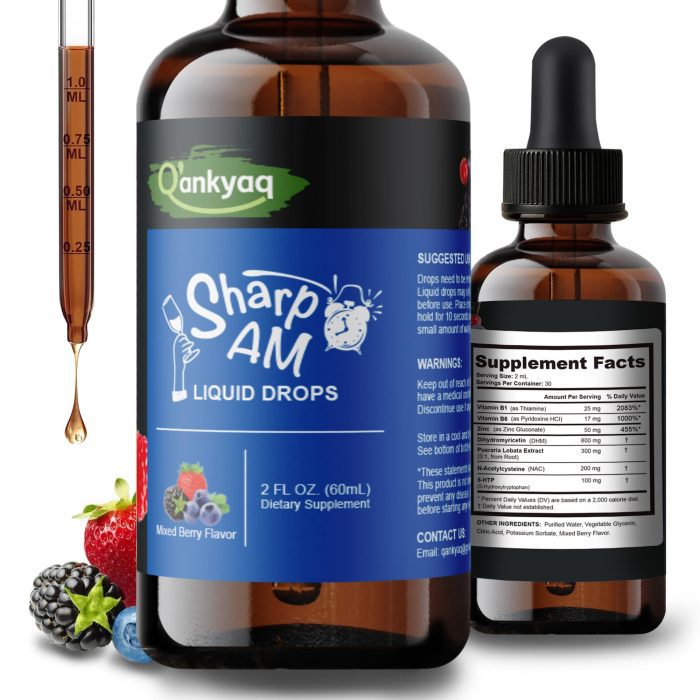
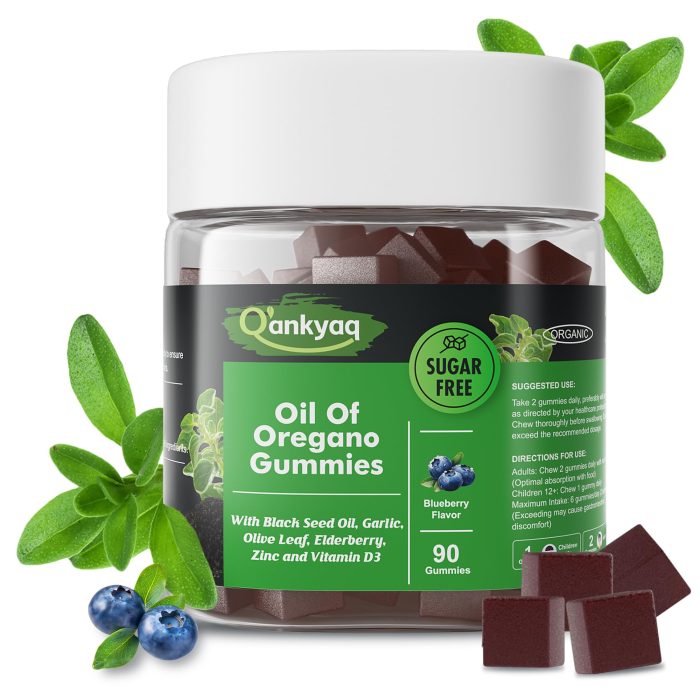
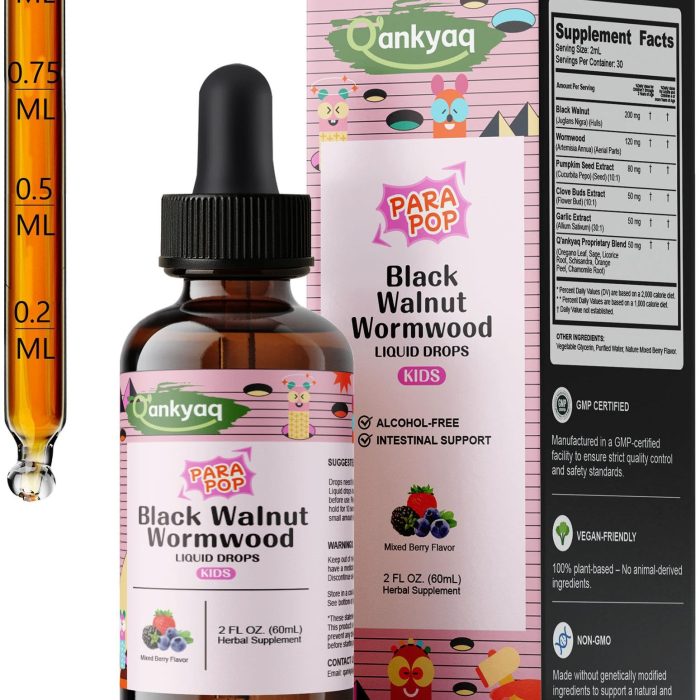
Why work with a trusted supplier As a dietary supplement trading company, we understand the importance of supply chain integrity and product compliance. At Qankyaq, we focus on sourcing high-quality, standardized sterol and stanol ingredients and partnering with manufacturers that meet regulatory and safety standards. Whether you need tablets, capsules or powder blends, a reliable trading partner can provide documentation, batch testing and logistics support for retail and private-label customers.
Practical tips for consumers
- Integrate supplements with a heart-healthy diet rich in fruits, vegetables, whole grains and healthy fats.
- Take the supplement with meals to maximize absorption and competitive displacement of dietary cholesterol.
- Monitor your lipid profile with your healthcare provider to measure effectiveness and adjust plans safely.
In summary, a well-formulated plant sterols and stanols supplement can be a valuable tool for people aiming to manage cholesterol as part of a comprehensive lifestyle approach. If you’re seeking dependable products or partnership solutions, Qankyaq offers sourcing expertise and quality assurance to help bring evidence-backed sterol and stanol supplements to market. Always consult a healthcare professional before beginning any new supplement regimen.