
For people focused on heart health, choosing foods fortified with plant sterols or stanols is a smart, science-backed way to support healthy cholesterol levels as part of a balanced lifestyle. These naturally occurring compounds from plants are structurally similar to cholesterol, and they help block cholesterol absorption in the small intestine, leading to notable reductions in LDL cholesterol when used consistently.
What they are and how they work: Plant sterols and stanols—often called phytosterols—compete with dietary cholesterol for uptake in the gut. This displacement effect means more cholesterol leaves the body rather than entering the bloodstream. Multiple clinical studies show that about 1.5–3 g per day of sterols/stanols can reduce LDL cholesterol by roughly 7–15% within a few weeks, especially when combined with an overall heart‑healthy eating pattern. Major nutrition organizations recognize this approach, and many regulatory agencies permit qualified health claims when products meet strict formulation criteria.
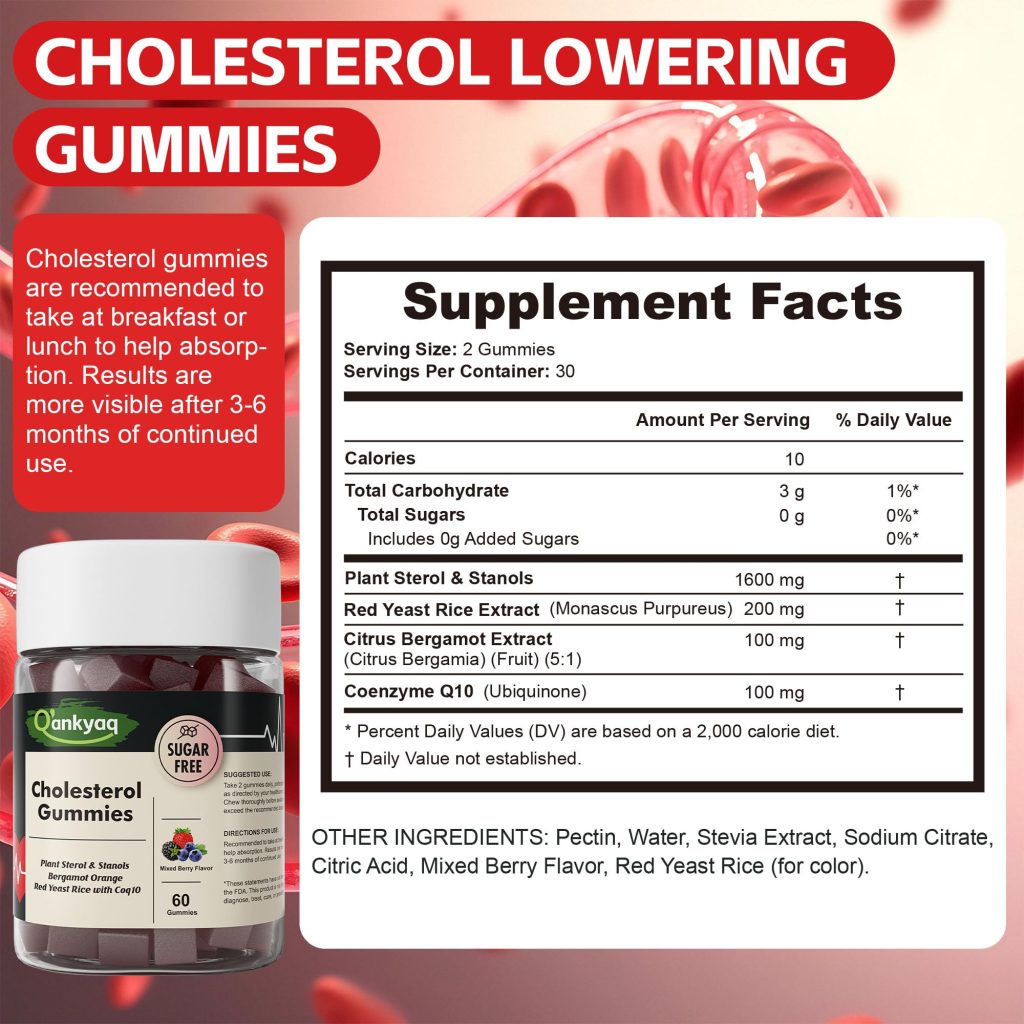
Where to find them: You’ll see fortified options across common grocery categories. Look for labels that specify “plant sterols,” “stanols,” or “phytosterols,” and check the per‑serving amount.
- Fortified spreads and soft margarines
- Yogurts and cultured dairy drinks
- Milks and non‑dairy beverages
- Cereals, snack bars, and juices
Many products use sterol esters, a form designed to blend well with fats and enhance functionality in foods. Stanols are also available and work via the same mechanism. For best results, aim for a daily total near 2 g spread across meals.
How to use fortified foods effectively: Because phytosterols work at the point of absorption, they’re most useful when consumed with meals that contain fat. Pair fortified foods with heart‑healthy fats—like olive oil, nuts, or avocado—to keep overall dietary patterns aligned with your cholesterol goals. Consistency matters: everyday intake is more impactful than sporadic use.
Safety and special considerations: These ingredients are widely considered safe for most adults. However:
- People with genetic sitosterolemia should avoid phytosterols.
- Pregnant and breastfeeding individuals, and young children, should consult a healthcare professional before using fortified products regularly.
- Phytosterols can slightly reduce absorption of fat‑soluble carotenoids; include colorful produce (leafy greens, carrots, peppers) to maintain nutrient balance.
- If you’re on statins or other lipid‑lowering therapies, fortified foods can be complementary, but always discuss changes with your clinician.
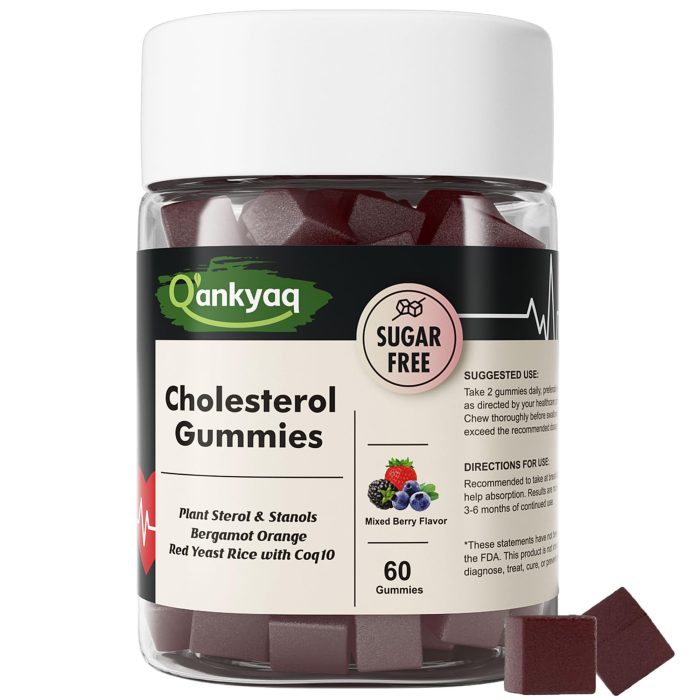
Quality matters: Not all fortified foods deliver the same dose or purity. Look for clear labeling of total plant sterols/stanols per serving and products manufactured under rigorous quality systems. As a health supplements trading company, Qankyaq prioritizes consistent dosing, verified raw-material identity, and responsible sourcing. We support brands and retailers with phytosterol ingredients and finished products that meet global standards, helping partners offer solutions consumers can trust.
Fortified foods vs. supplements: If your diet or preferences make it hard to hit daily targets through food alone, phytosterol supplements can help close the gap. Capsules and powders are available, but the same best practices apply—verify dose, choose reputable manufacturers, and integrate supplements with meals. At Qankyaq, we work with customers on bulk ingredients and private‑label options to ensure high-quality delivery formats that fit diverse nutritional strategies.
The bottom line: Adding foods fortified with plant sterols or stanols to a heart‑smart routine is a practical, evidence‑based step toward better cholesterol management. Combine them with balanced eating, regular activity, and routine health checkups for a comprehensive approach. When quality and reliability matter, Qankyaq is committed to supplying and curating products that make phytosterols simple, safe, and effective for everyday use.